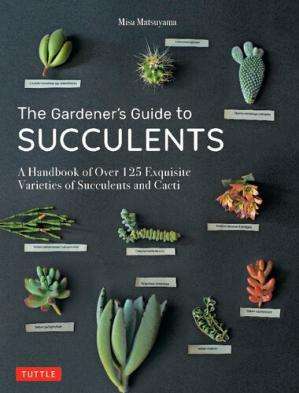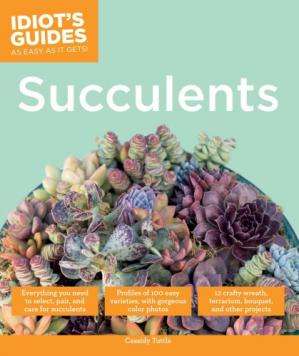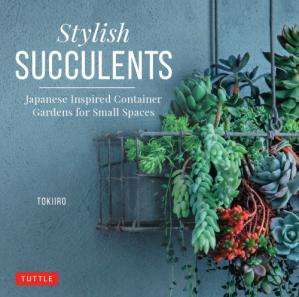
Decorating with greenery adds life to a kitchen, but not every plant belongs near food. This guide covers non food safe plants, explains which plants safe near food can stay on counters, and outlines kitchen plants safety rules for placement, drainage, and cleaning so you can enjoy greenery without risking contamination.
Edible, ornamental and unclear
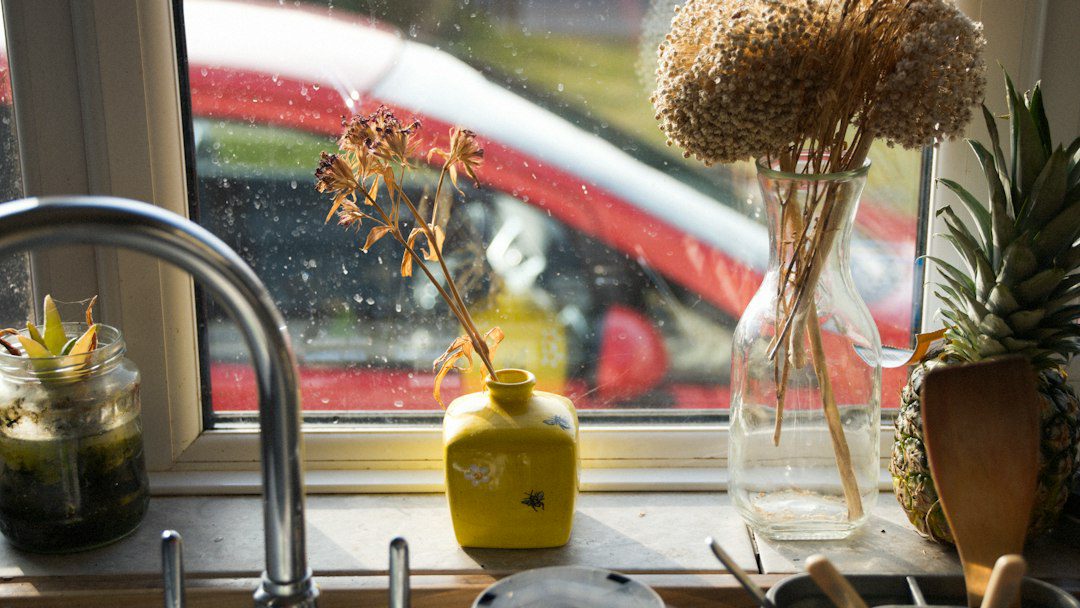
Culinary herbs such as basil, thyme, and mint are edible and thrive on a sunny windowsill. Many popular houseplants — pothos, philodendron, dieffenbachia, peace lily, and most succulents — are ornamental only and contain irritating sap or calcium oxalate crystals. A few plants sit in a gray zone: ornamental peppers look like food but are bred for heat and may carry pesticide residue; citrus trees sold as decor are often treated with systemic chemicals not approved for fruit consumption. When in doubt, treat the plant as non food safe and keep it off prep surfaces.
Keep preparation surfaces clear
Distance from chopping areas
Place any ornamental plant at least three feet from cutting boards, knife blocks, and appliance garages. Airborne sap, pollen, or soil particles can settle on food-contact surfaces during chopping or mixing.
Drainage and drips
Use cachepots with saucers to catch excess water. Never let a pot sit directly on a counter where drips can pool under appliances or seep into seams. Elevate pots on risers or a dedicated plant stand to promote airflow and prevent moisture damage.
Hands and tools
Wash hands after watering, pruning, or repotting before touching food or utensils. Keep a separate set of pruning shears for kitchen herbs; do not use the same tools on ornamental plants. Clean tools with hot, soapy water between uses.
Pets and children
Many common ornamentals are toxic to cats, dogs, and small children if ingested. The ASPCA maintains a searchable toxic and non-toxic plant list; consult it before bringing a new plant into a home with pets or toddlers. Keep all plants out of reach of curious hands and paws.
Edible and ornamental
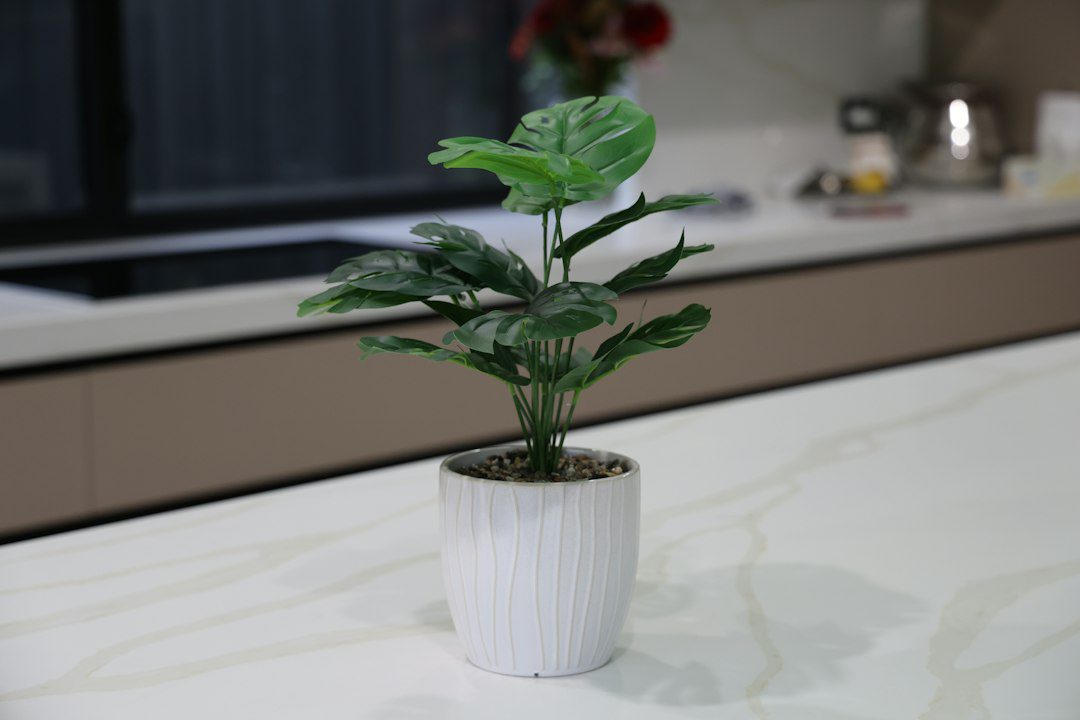
| Plant | Edible status | Where to place | Note |
|---|---|---|---|
| Culinary herbs (basil, parsley, cilantro, mint) | Edible leaves and stems | Sunny windowsill or countertop herb planter | Harvest regularly; rinse before use |
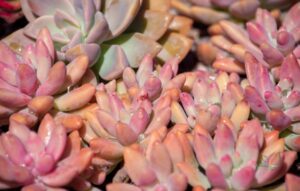
| Succulents (jade, aloe, echeveria, haworthia) | Generally non-edible; some aloe gel used topically only | Shelf or hanging planter away from food prep | Sap can irritate skin; see succulents vs cactus for identification tips |
| Leafy houseplants (pothos, philodendron, monstera, snake plant) | Non-edible; calcium oxalate crystals cause oral irritation | High shelf, top of refrigerator, or dedicated plant corner | Keep away from pet access |
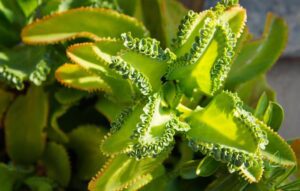
| Flowering plants (African violet, orchid, kalanchoe, cyclamen) | Non-edible; some parts toxic if eaten | Decorative table or shelf not used for food | Remove spent blooms promptly to reduce debris |
When a plant looks edible
Ornamental peppers, decorative kale, and flowering cabbage are sold as seasonal decor but resemble grocery produce. They are often grown with ornamental-grade pesticides and fertilizers not labeled for food crops. Similarly, dwarf citrus or fig trees sold as houseplants may have been treated with systemic neonicotinoids. Never assume a plant is food-safe because it looks like a vegetable or fruit. Read the nursery tag, ask the seller, or grow your own from seed labeled for culinary use. When displaying these plants, keep them on a separate shelf and wash hands after handling.
Cleaning between uses
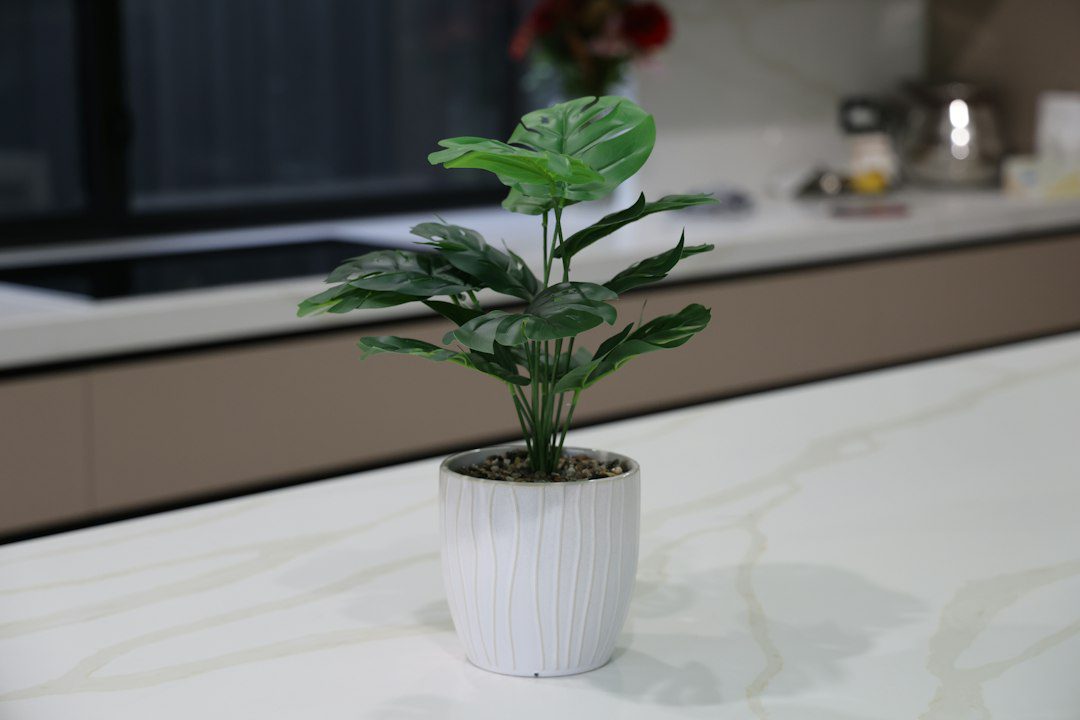
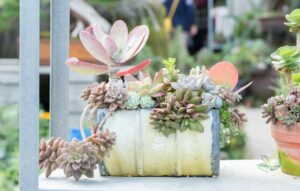
After moving a plant for cleaning or seasonal rotation, wipe the counter with a food-safe sanitizer. Use a solution of one tablespoon unscented bleach per gallon of water, or a commercial kitchen sanitizer labeled for food-contact surfaces. Let the surface air-dry before placing food or appliances back. Clean pot bottoms and saucers monthly to prevent mold and mineral buildup. A quick soak in vinegar solution (one part vinegar to three parts water) removes hard-water deposits; rinse thoroughly. For a cohesive look that keeps plants tidy, see transform your home with succulents for display ideas that simplify maintenance.
FAQ
Can I keep a pothos on my kitchen counter if it’s not near the stove?
No. Pothos contains calcium oxalate crystals that can transfer via sap or dust. Keep it at least three feet from any food-prep area.
Are succulents safe for a dining table centerpiece?
Most succulents are non-edible and some have irritating sap. Use them only on decorative tables where no food is served, and wash hands after arranging.
What herbs are safest to grow right next to the sink?
Basil, parsley, chives, and mint tolerate moisture and frequent harvesting. Rinse leaves before use and avoid splashing soapy water on them.
Where do I find a reliable toxic plant list for pets?
The ASPCA Animal Poison Control Center publishes a searchable database of toxic and non-toxic plants for cats, dogs, and horses.
Sources
- The Spruce Crafts – Houseplant toxicity and care guides
- Martha Stewart – Kitchen herb growing and food-safe plant practices
- Better Homes & Gardens – Indoor plant safety and placement tips
- Miracle-Gro – Manufacturer plant care help pages for common houseplants