Seeing roots emerge from the drainage holes of your succulent pot can be both a sign of vigorous growth and a potential warning. For many succulent owners, the sight of roots escaping the bottom of the pot immediately raises questions: is my succulent rootbound and thriving, or are these signs of succulent root rot signs? Understanding the difference is crucial for your plant’s health, as healthy crowding requires different action than decay. This guide will help you quickly diagnose the situation and take the right steps.
Healthy crowding versus rot: the same symptom, opposite fixes
The appearance of roots from drainage holes is a common sight for many potted plants, including succulents. In a healthy plant, this often indicates that the root system has expanded to fill the available space, seeking more room and nutrients. This state, known as being “rootbound” or “pot-bound,” suggests your succulent is growing well but might soon need a larger home. The roots are strong, white or light-colored, and firm, efficiently absorbing water and nutrients.
Conversely, roots emerging from drainage holes can also be a symptom of root rot. This serious condition occurs when roots are deprived of oxygen, usually due to overwatering or poor drainage. Instead of healthy growth, the roots begin to decay, turning dark, soft, and often emitting an unpleasant odor. The plant’s natural response to stress can sometimes be to send out new roots in an attempt to find better conditions, even if the existing root mass is dying. The key challenge for succulent owners is that both scenarios present the same visual cue: roots at the drainage hole. Recognizing the subtle but critical differences in color, smell, and texture is essential for providing the correct care and preventing further damage.
The three-second check when you lift the pot
When you first notice roots peeking out, a quick initial assessment can give you a strong indication of your succulent’s health. Lift the pot and gently examine the roots. Are they firm and light-colored, or dark and soft? Healthy roots, whether tightly packed or not, will feel robust and often have a pale, almost white or tan appearance. They might form a dense mat, but each root strand should feel alive and resilient.
If the roots are dark brown or black, feel mushy to the touch, or easily break apart, these are immediate red flags for root rot. Another quick indicator is the soil. If the soil is consistently soggy and heavy, especially days after watering, it points towards drainage issues that can lead to rot. A healthy, rootbound succulent, even with roots showing, will have soil that drains well and feels relatively light when dry. This quick visual and tactile check helps you decide if further investigation is needed or if your plant is simply thriving.
Colour, smell and firmness: what each one means
Delving deeper into the characteristics of the roots provides a definitive diagnosis. Each aspect—color, smell, and firmness—tells a specific story about your succulent’s condition.
| Sign | Rootbound | Rotting |
|---|---|---|
| Colour | White, cream, light tan, or pale yellow | Dark brown, black, grey, or translucent |
| Smell | Earthy, fresh, or no distinct odor | Foul, musty, sulfur-like, or distinctly sour |
| Firmness | Firm, pliable, resilient, difficult to break | Soft, mushy, slimy, easily falls apart |
| Pot weight | Lighter than expected when dry, due to roots displacing soil | Often heavier due to water retention and decaying matter |
Color: Healthy roots are typically white, cream, or light tan. These colors indicate active growth and nutrient absorption. If you see roots that are dark brown, black, or grey, it’s a strong sign of rot. Translucent roots can also indicate decay.
Smell: A healthy root system will have a fresh, earthy smell, or no discernible odor at all. If you detect a foul, musty, sour, or sulfur-like smell coming from the roots or the drainage hole, it’s a clear indicator of bacterial or fungal activity associated with root rot.
Firmness: Gently touch the roots. Healthy roots are firm, somewhat pliable, and resilient. They will resist breaking easily. Rotting roots, however, will be soft, mushy, slimy, and often fall apart with minimal pressure. This breakdown of tissue is characteristic of decay.
Pot weight: A pot with a healthy, rootbound succulent might feel surprisingly light when the soil is dry, as the dense root ball can displace a significant amount of potting medium. Conversely, a pot with rotting roots often feels heavier due to waterlogged soil and decaying organic matter.
Clearing a drain without breaking the pot
Sometimes, roots at the drainage hole aren’t necessarily a sign of being rootbound or rotting, but rather an indication that the drainage hole itself is blocked. This can happen if a single root or a cluster of roots has grown into and sealed the opening, or if soil particles have compacted around it. A blocked drain can quickly lead to waterlogging and subsequent root rot, even if the plant was initially healthy.
To clear a blocked drain without damaging the pot or the plant, start by gently trying to dislodge any visible roots with a thin, blunt object like a chopstick or a skewer. Avoid sharp objects that could cut the roots or scratch the pot. If the blockage persists, you can try flushing the pot with water. Place the pot in a sink or basin and slowly pour water through it, allowing the pressure to help clear the obstruction. For stubborn blockages, carefully remove the plant from its pot. Once out, you can more easily assess the drainage hole and gently remove any roots or compacted soil from the outside and inside. This is also a good opportunity to check the overall health of the root ball and decide if a repot is needed. Ensure your pots with drainage holes remain clear to prevent future issues.
Repot now or wait for spring
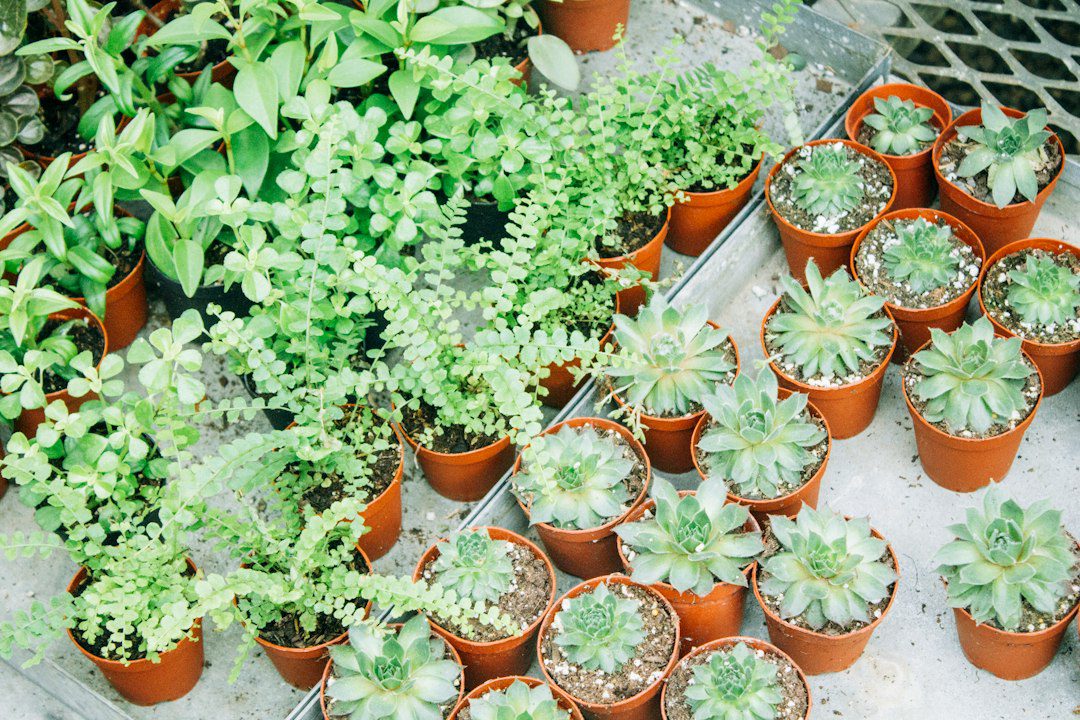
The decision to repot depends entirely on whether your succulent is rootbound or rotting. If your succulent is healthy but rootbound, the best time to repot is typically during its active growing season, which for most succulents is spring or early summer. Repotting during this period allows the plant to quickly recover from the stress and establish itself in its new environment. If you’re in the middle of winter, and your plant is merely rootbound, it’s often best to wait until spring unless the plant is showing severe signs of stress like stunted growth or frequent wilting.
However, if your succulent is suffering from root rot, immediate action is necessary regardless of the season. Root rot is a progressive disease that will quickly kill your plant if left untreated. In this scenario, you must unpot the succulent, trim away all affected (dark, mushy) roots, and repot it into fresh, dry, well-draining soil. This emergency repotting is a rescue mission, not a routine maintenance task. Always choose the best pots for succulents to ensure proper drainage and airflow, which are critical for preventing future root issues.
Aftercare for the first two weeks
Proper aftercare is crucial, whether you’ve repotted a healthy, rootbound succulent or rescued one from rot. The first two weeks are a critical period for recovery and establishment. For a healthy, rootbound succulent that has been repotted into a larger container with fresh soil, resist the urge to water immediately. Wait at least 5-7 days after repotting before the first watering. This allows any tiny root wounds to heal, preventing potential rot. When you do water, do so thoroughly, letting water drain completely from the bottom.
If you’ve repotted a succulent due to root rot, the aftercare is even more critical. After trimming the affected roots and repotting into dry, fresh soil, do not water for at least 7-10 days, and potentially longer. This extended dry period is vital for the plant to recover from the rot and for any remaining root wounds to callus over. When you eventually water, do so sparingly and ensure the soil dries out completely between waterings. During these initial two weeks, place both types of repotted succulents in a bright location with indirect sunlight to minimize stress. Avoid direct, intense sun, which can be too harsh for a recovering plant.
FAQ
How can I tell if my succulent is rootbound?
Your succulent is likely rootbound if roots are visibly growing out of the drainage holes, the plant’s growth has slowed, or the soil dries out very quickly after watering. When you gently unpot it, the roots will form a dense, compact mass that has taken the shape of the pot.
What does root rot look like on succulents?
Root rot on succulents manifests as dark brown or black, mushy, and foul-smelling roots. The stem near the soil line might also appear discolored or soft. Above ground, the plant may show signs of wilting, yellowing, or dropping leaves, even if the soil is wet.
Can a succulent recover from root rot?
Yes, a succulent can recover from root rot if caught early. The key is to unpot the plant, trim away all affected (dark, mushy) roots, allow the cut ends to callus for a few days, and then repot into fresh, dry, well-draining soil. Avoid watering for at least a week after repotting.
How often should I water a rootbound succulent?
A rootbound succulent will typically need more frequent watering than one with ample space, as the dense root mass absorbs water quickly and displaces soil. Always check the soil moisture before watering; water thoroughly when the soil is completely dry, but consider repotting soon to reduce watering frequency and improve plant health.
Sources
- The Spruce Crafts
- Martha Stewart
- Better Homes & Gardens