Article
It’s a common frustration for home cooks: you’ve seasoned your pan, perhaps multiple times, yet your cast iron skillet still sticks, grabbing eggs and making cleanup a chore. Many believe that simply applying oil and heating it is enough, but achieving a truly non-stick surface requires understanding the science behind the seasoning. This guide will walk you through diagnosing the issue, properly stripping any gummy layers, applying thin coats of oil cast iron needs, and the correct baking process to ensure your pan develops a durable, slick finish. We’ll also cover daily care to maintain that hard-earned layer, transforming your cooking experience and solving the mystery of why your pan still grabs food despite your best efforts at seasoning.
Diagnose the layer before adding more
Before you reach for more oil, take a moment to inspect your pan’s current seasoning. A properly seasoned surface should be smooth, dark, and dry to the touch, with a subtle sheen. If your pan feels tacky, sticky, or has a dull, patchy appearance, you likely have an issue with excess oil that hasn’t fully polymerized. This “gummy” layer is the primary culprit when your cast iron skillet still sticks. It’s not a true seasoning layer but rather a residue that will transfer to food and prevent a proper non-stick surface from forming.
Another sign of problematic seasoning is flaking. If dark flakes are coming off the pan, especially after cooking, it indicates that the existing layer is not adhering properly. This can happen from too much oil applied at once, insufficient baking time, or uneven heating during the seasoning process. Adding more oil on top of a compromised layer will only compound the problem, creating a thicker, more prone-to-sticking surface. A thorough diagnosis will tell you if you need to strip the pan back to bare metal or if a simple re-seasoning with proper technique will suffice.
Strip a gummy pan back to grey
If your cast iron has a thick, gummy, or flaking layer, the most effective solution is to strip it back to bare metal. This might sound drastic, but it’s often the quickest way to achieve a fresh start and properly season your pan. For heavily caked-on or rusty pans, an oven’s self-cleaning cycle can be effective, but be cautious as extreme heat can sometimes warp older, thinner pans. A safer, gentler method involves a lye-based oven cleaner (like Easy-Off Heavy Duty) or an electrolysis tank.
For the oven cleaner method, spray the pan thoroughly, place it in a sealed garbage bag outdoors or in a well-ventilated area, and let it sit for 12-24 hours. The lye will break down the old seasoning. After, scrub the pan with steel wool and hot, soapy water until it’s back to its original grey iron color. Rinse thoroughly and dry immediately to prevent rust. This aggressive cleaning is usually the only time you’ll use soap on your cast iron, as daily care typically avoids it to preserve the seasoning.
Thin coats, wiped almost dry
The secret to proper seasoning lies in applying incredibly thin layers of oil. Think of it less as “coating” and more as “wiping.” After stripping your pan and ensuring it’s completely dry, apply a very small amount of high smoke point oil – about a teaspoon for an average-sized skillet. Use a lint-free cloth or paper towel to rub the oil over the entire surface of the pan, inside and out, including the handle and bottom.
Now, here’s the crucial step: using a fresh, clean cloth, wipe the pan down as if you’re trying to remove all the oil you just applied. You want to wipe until the pan looks and feels dry, almost as if there’s no oil left. There will still be a microscopic layer of oil clinging to the pores of the iron, which is exactly what you need. This ultra-thin application is essential for the oil to polymerize correctly, forming a hard, durable, non-stick surface. Too much oil will pool, turn gummy, and ultimately cause your cast iron skillet still sticks issue to persist. Many cooks trying to grow vegetables to grow at home understand that a little goes a long way, and the same applies here.
The bake, and why 45 minutes is not a rule
Once your pan is wiped almost dry, it’s time for the bake. Preheat your oven to a temperature between 400°F and 500°F (200°C-260°C), depending on the oil you’re using. Place the pan upside down on the middle rack. This prevents any excess oil from pooling in the bottom. Place a baking sheet or aluminum foil on the rack below to catch any drips.
The duration of the bake is more critical than a fixed 45-minute rule. The goal is to heat the oil past its smoke point, allowing it to polymerize and bond with the iron. For most oils, this takes at least an hour, often longer. A good rule of thumb is to bake for an hour after the pan reaches the oven’s target temperature. Then, turn off the oven and let the pan cool completely inside the oven. This slow cooling helps set the seasoning. Repeat this thin-coat and bake process 3-5 times for a robust initial seasoning.
| Oil | Smoke Point | Result |
|---|---|---|
| Flaxseed | 225°F (107°C) | Hard, brittle seasoning; prone to flaking |
| Canola | 400°F (204°C) | Durable, dark, and slick seasoning |
| Grapeseed | 420°F (216°C) | Smooth, hard, and excellent non-stick |
The first cook after seasoning
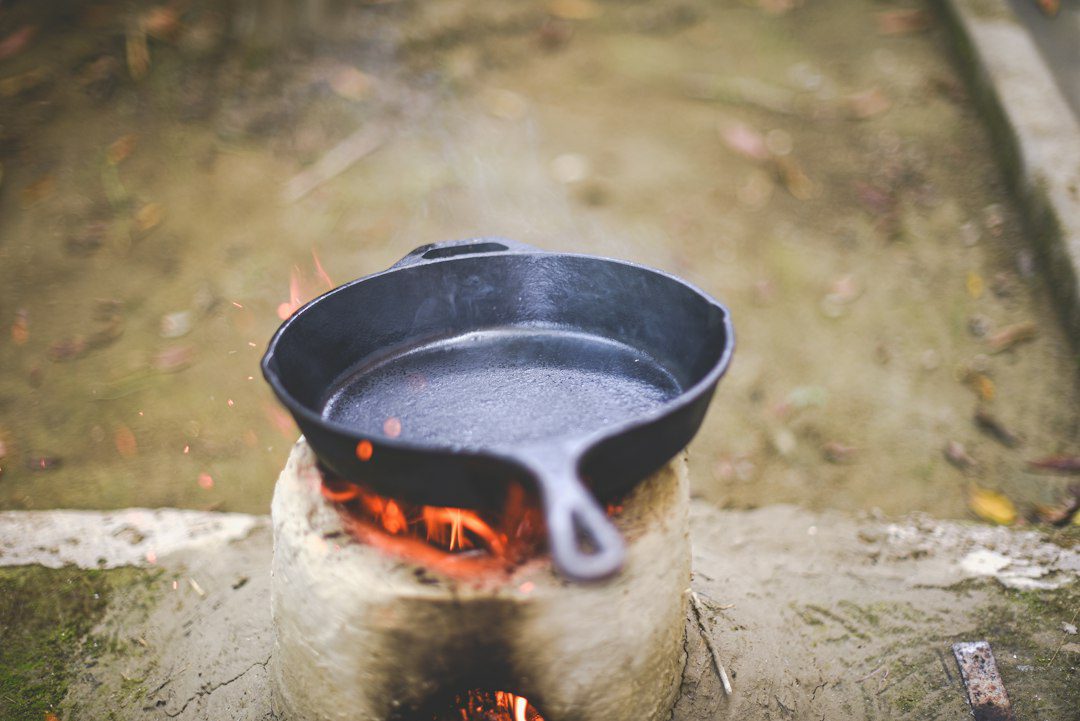
After all your hard work stripping and re-seasoning, the first few cooks are crucial for further developing your pan’s non-stick properties. Avoid highly acidic foods like tomatoes or lemon juice, as these can strip away new seasoning. Instead, opt for foods with a higher fat content. Sautéing vegetables in a generous amount of oil, frying potatoes, or even baking cornbread are excellent choices. The fat helps to further polymerize the existing seasoning and build new layers.
Use a moderate heat setting. Overheating your pan can burn off the new seasoning and cause food to stick. Always preheat your pan gradually. Add a tablespoon or two of oil or fat before adding your food, ensuring the entire cooking surface is coated. This initial layer of fat acts as a buffer and helps prevent sticking while the seasoning continues to build. With consistent use and proper care, your pan will become increasingly non-stick.
Daily care that keeps the layer
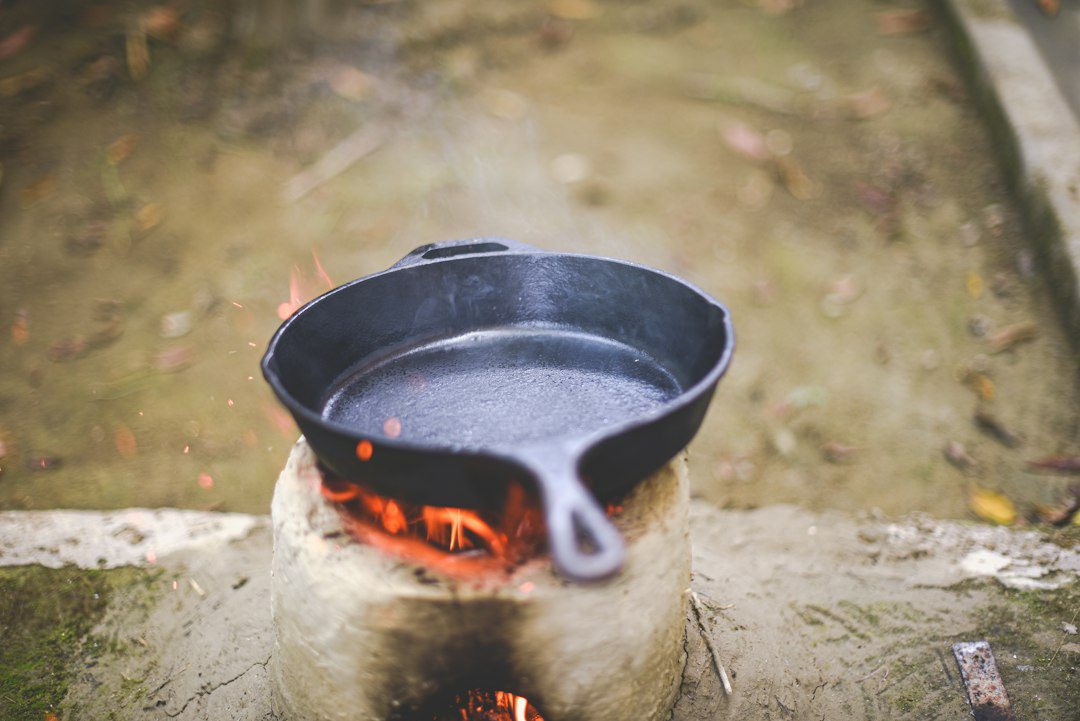
Maintaining your cast iron’s seasoning is simpler than you might think, and it’s key to preventing your cast iron skillet still sticks problem from returning. After each use, clean your pan while it’s still warm. Hot water is usually sufficient to remove most food residue. For stubborn bits, use a stiff brush or a pan scraper. Avoid harsh detergents, especially on a newly seasoned pan, as they can strip the oil. If you must use soap, choose a mild one and use it sparingly.
After cleaning, immediately dry your pan thoroughly. Water is cast iron’s enemy, leading to rust. You can place it on low heat on the stovetop for a minute or two to ensure it’s bone dry. Once dry, apply a very thin layer of cooking oil (like vegetable or grapeseed oil) to the entire cooking surface with a paper towel. Buff it in until the pan looks almost dry again. This final step protects the seasoning and helps build it up over time. Just like a smoothie that wakes you up can become part of a daily routine, so too can this simple care extend the life of your pan.
FAQ
Q: Why does my cast iron skillet still stick after seasoning? A: Most often, sticking occurs because the seasoning layer is too thick, gummy, or hasn’t fully polymerized. Applying too much oil or not baking long enough at a high enough temperature prevents the oil from forming a hard, non-stick surface. Uneven heating or inadequate cleaning between uses can also contribute to the problem.
Q: Can I use soap on my cast iron skillet? A: Yes, mild soap can be used sparingly, especially on a well-established seasoning. The old advice against soap stemmed from harsh lye-based soaps that would strip seasoning. Modern dish soaps are much milder. However, for daily cleaning, hot water and a stiff brush are usually sufficient and better for preserving the seasoning.
Q: How do I remove gummy seasoning from my cast iron? A: For gummy seasoning, the most effective method is to strip the pan back to bare metal. This can be done using a lye-based oven cleaner (like Easy-Off Heavy Duty) in a well-ventilated area, or through electrolysis for more severe cases. Once stripped, scrub thoroughly and dry immediately before re-seasoning.
Q: What is the best oil for seasoning cast iron? A: Oils with a high smoke point and neutral flavor are best. Grapeseed, canola, and vegetable oils are excellent choices. While flaxseed oil can create a very hard seasoning, it’s often brittle and prone to flaking. The key is applying any chosen oil in extremely thin layers to ensure proper polymerization.
Sources
- The Spruce Crafts
- Martha Stewart
- Better Homes & Gardens
- Lodge Cast Iron (Manufacturer’s Help Page)