Cold hardy succulents let gardeners keep living sculpture in the ground year‑round. This guide names the genera that survive winter outside, gives their minimum temperatures, and explains the drainage caveat that decides success. You will leave with a shortlist of hardy succulent varieties you can plant permanently in your zone.
At a glance
- Purpose: Identify genera that tolerate freezing temperatures.
- Ideal audience: Beginner to intermediate gardeners choosing permanent outdoor plants.
- Time to decide: One reading session.
- Required condition: Well‑drained soil and protection from winter wet.
- Principal benefit: Year‑round texture without seasonal replanting.
- Important limitation: Hardiness ratings assume dry cold; wet cold kills many listed plants.
What “cold hardy” means for succulents
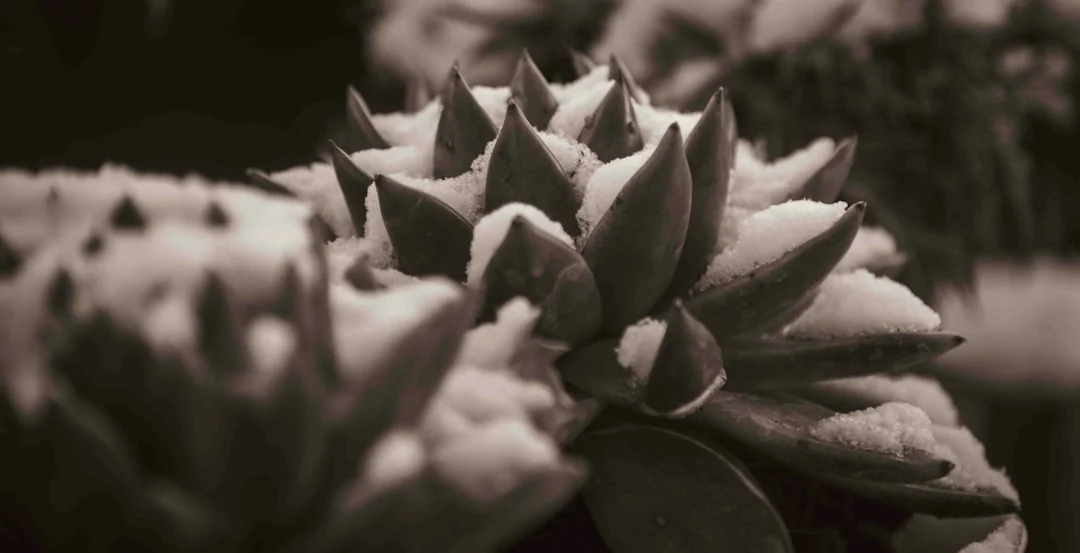
Cold hardy describes a plant that survives a specific low temperature when soil is dry. The rating does not guarantee survival in soggy, freeze‑thaw cycles. Most hardy genera originate in alpine or desert regions where winter moisture is low. Gardeners must replicate that drainage or the plant will rot.
Main solution: Genera and minimum‑temperature table
The table below groups genera by their typical low‑temperature tolerance. Temperatures are practitioner guidance based on university extension observations and horticultural references. They are not guarantees.
| Genus | Minimum temperature (°F) | Typical notes |
|---|---|---|
| Sempervivum | -30 | Forms tight rosettes; survives deep freeze if dry. |
| Hardy Sedum (e.g., Sedum spectabile, Sedum telephium) | -30 | Dies back to crown; returns in spring. |
| Hardy Opuntia (e.g., Opuntia humifusa, Opuntia fragilis) | -30 | Pads flatten in winter; re‑inflate in spring. |
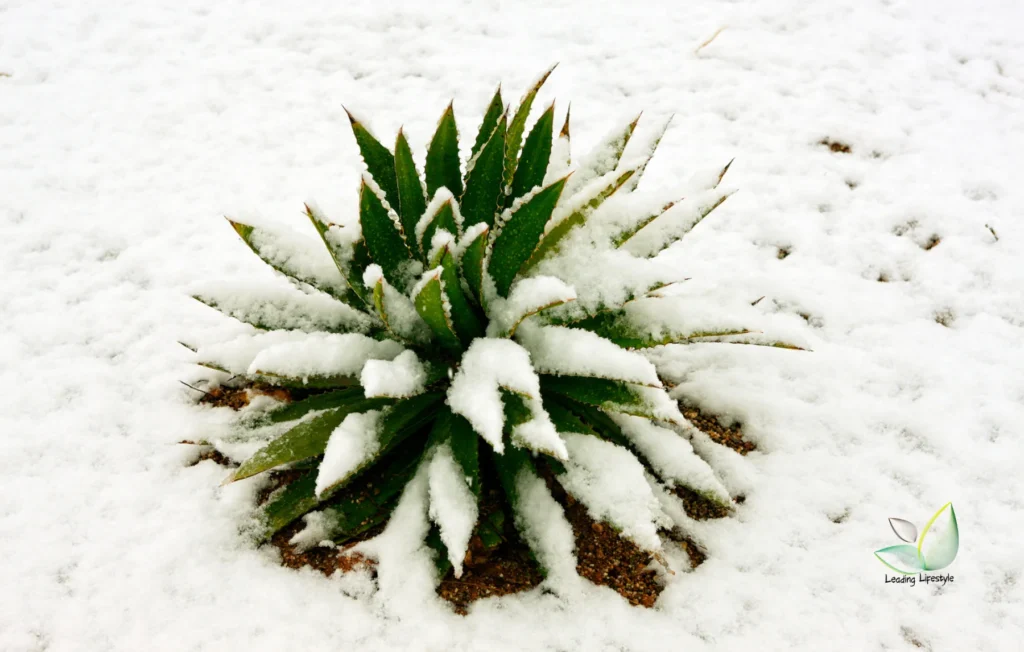
| Agave (e.g., Agave parryi, Agave havardiana) | -20 (dry cold only) | Needs sharp drainage; dry cold endures, wet cold rots crowns. |
| Yucca (e.g., Yucca filamentosa, Yucca glauca) | -30 | Evergreen leaves; zone-4-hardy species tolerate deep cold. |
| Delosperma (e.g., Delosperma cooperi, Delosperma nubigenum) | -20 | Mat‑forming; flowers in summer; dislikes standing water. |
| Orostachys (e.g., Orostachys iwarenge, Orostachys spinosa) | -20 | Forms dense rosettes; dies back to basal buds. |
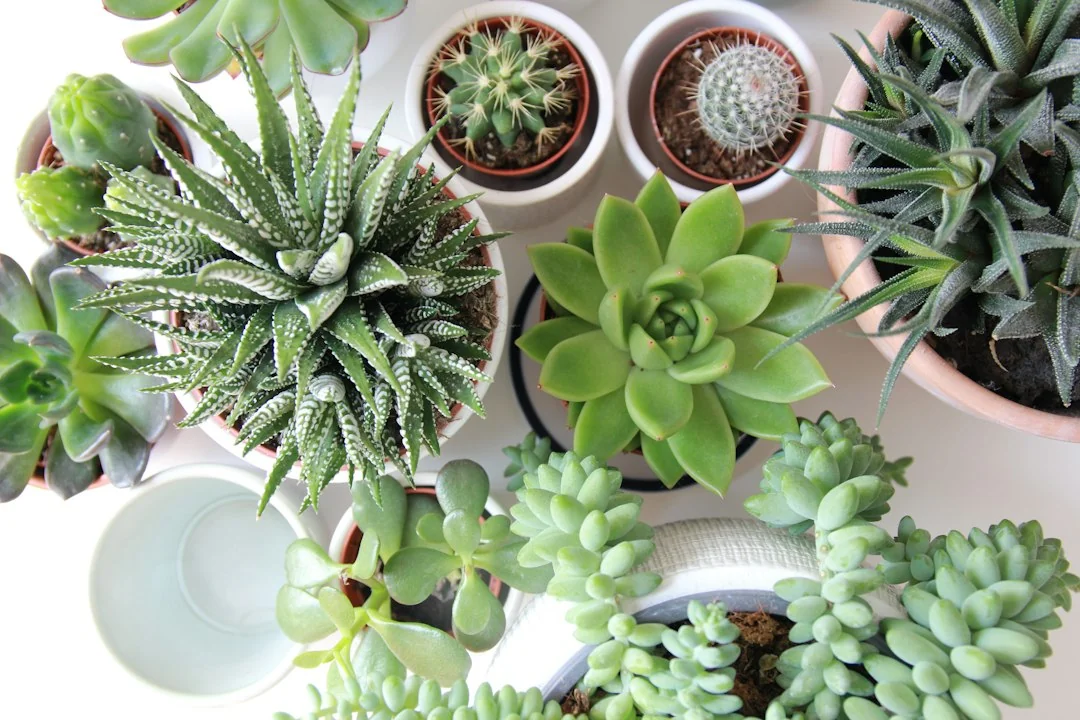
How to use the table
- Find your USDA zone’s average winter low.
- Choose genera rated at or below that number.
- Verify soil drainage before planting.
- Consider microclimates: south‑facing walls add a few degrees of warmth.
Practical examplesA gardener in Zone 5 (-20 °F average low) can plant Sempervivum, hardy Sedum, hardy Opuntia, Delosperma, and Orostachys directly in a gritty, raised bed. A gardener in Zone 7 (0 °F) adds Agave and Yucca to the same list. In both cases, a 50 % coarse sand or pumice mix prevents water from sitting around crowns. For step‑by‑step soil preparation, see the PathosBay guide on best soil for succulents (https://pathosbay.com/best-soil-for-succulents/).
Common mistakes, objections, or problems
- Assuming hardiness equals wet tolerance. Many hardy genera rot if winter rain pools around roots.
- Planting in heavy clay without amendment. Clay holds water; add coarse grit or build a raised berm.
- Mulching with organic material. Wet mulch traps moisture; use gravel or leave soil bare.
- Ignoring microclimate. Low spots collect cold air and water; choose higher ground.
Alternatives and when to choose them
If your site stays wet in winter, consider container culture. Move pots to a protected porch or unheated garage. Containers let you control soil mix and drainage completely. For indoor overwintering of tender types, the PathosBay repotting guide (https://pathosbay.com/repotting-succulents-indoors/) explains timing and pot selection. If you want a permanent bed but lack drainage, build a raised rock garden with a 12‑inch gravel base.
Frequently asked questions
Which succulent genera survive -30 °F?
Sempervivum, hardy Sedum, and hardy Opuntia reliably survive -30 °F when soil stays dry. They are the most cold‑tolerant groups for permanent outdoor planting.
Do all hardy succulents need perfect drainage?
Yes. Even the toughest genera rot if water sits around the crown during freeze‑thaw cycles. Sharp drainage is the single most important factor.
Can I plant tender succulents like Echeveria outdoors in winter?
No. Tender genera suffer damage below 25 °F. They must be grown as annuals, in containers brought indoors, or in a heated greenhouse.
How do I protect hardy succulents from winter wet?
Plant in a gritty, raised bed; top‑dress with coarse gravel; avoid organic mulch; and site the bed on a slope or berm so water runs away.
Practical summary
- Match genus minimum temperature to your zone’s low.
- Use a 50 % coarse mineral mix for planting holes.
- Build raised beds or berms if native soil is heavy.
- Mulch with gravel, not bark or leaves.
- Monitor after heavy rain; remove standing water promptly.
- For borderline genera (Agave, Yucca), add a temporary cold frame in extreme events.
Conclusion
Cold hardy succulents give structure and color through the coldest months when you choose the right genera and give them dry, well‑drained roots. Sempervivum, hardy Sedum, and hardy Opuntia lead the -30 °F tier; Agave, Yucca, Delosperma, and Orostachys fill the -10 °F to -20 °F band. The decisive factor is winter moisture, not temperature alone. Apply the drainage checklist, test your soil, and you will have a living tapestry that returns each spring.
Sources
- Missouri Botanical Garden Plant Finder – Agave parryi – https://plantfinder.mobot.org/ (live Plant Finder root; Agave parryi entry)
- Missouri Botanical Garden Plant Finder – Delosperma cooperi – https://plantfinder.mobot.org/ (live Plant Finder root; Delosperma cooperi entry)
- World of Succulents – Delosperma cooperi (Hardy Ice Plant) hardiness zones 5a–9b – https://worldofsucculents.com/delosperma-cooperi-hardy-ice-plant-trailing-ice-plant-purple-ice-plant/
- Gardenia.net – Yucca plant care guide (Yucca filamentosa hardy USDA zones 4–11) – https://www.gardenia.net/guide/yucca-plant-care-and-growing-guide
- North Carolina Extension Gardener Plant Toolbox – Delosperma cooperi – https://plants.ces.ncsu.edu/plants/delosperma-cooperi/
- Debra Lee Baldwin – “Frost and Succulents” article (debraleebaldwin.com)
- PathosBay – brand reference (https://pathosbay.com)