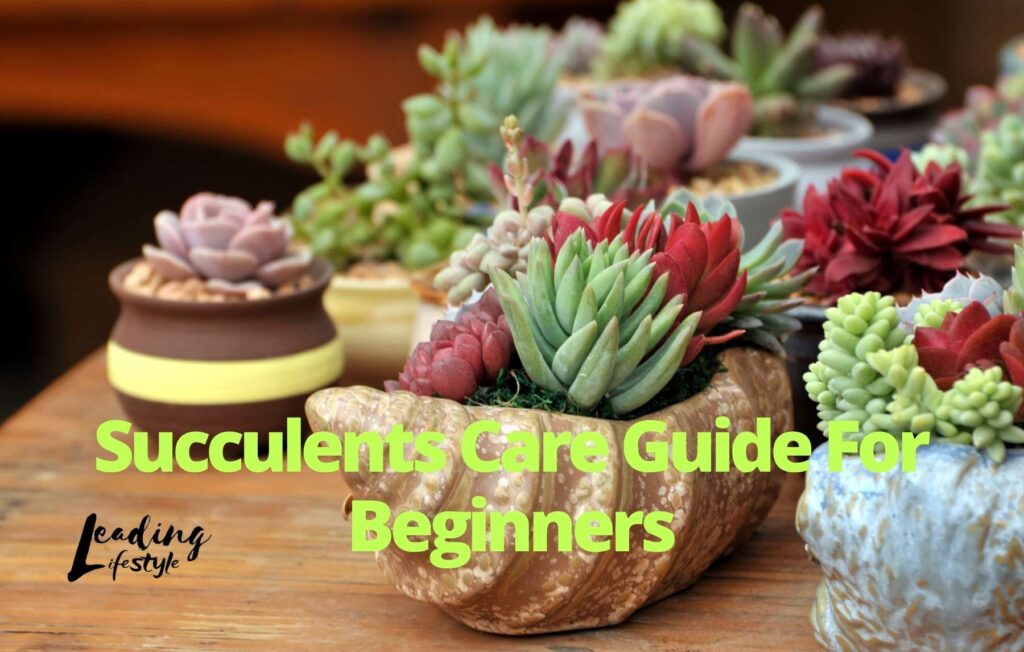
Getting Started with Succulents
Succulents are forgiving plants and a sensible place to learn basic houseplant care. They store water in their leaves and stems, so they tolerate drying out better than many common houseplants. That resilience doesn’t mean they need no attention–light, soil, drainage, and simple seasonal habits matter more than fussy schedules or special products.
This guide focuses on practical, reliable routines you can actually do: checking soil with your finger, choosing a pot with a drainage hole, wiping dust from leaves, and understanding when to feed. Keep the approach straightforward and observe the plants–succulents change slowly, and small adjustments matter.
Why succulents are a good choice for beginners
- Low daily maintenance: they don’t demand constant watering or pruning.
- Wide range of forms: compact rosettes, columnar cacti, trailing strings–pick what fits your space.
- Tolerant of imperfect conditions: a missed watering or a less-than-ideal window won’t usually be fatal if you correct things soon.
Before you buy: inspect for firm, plump leaves and a healthy root ball. Avoid plants with obvious soft or collapsed tissue, which can indicate rot that will follow you home.
Best Varieties for Beginners
Certain genera are regularly recommended for people starting out because they tolerate indoor conditions and a bit of inconsistency in care.
Common beginner-friendly suggestions:
- Haworthia (for example, Haworthia fasciata, often called zebra plant): slow-growing, compact, tolerant of moderate light.
- Portulacaria afra (elephant bush or dwarf jade): forgiving, easily trimmed into a small shrub, and often used as a starter jade.
- Crassula ovata (jade and Gollum/Jade variants): popular for its resilience and sculptural shape.
These varieties usually handle standard indoor light, don’t need frequent feeding, and respond well to a free-draining potting mix. That makes them useful teaching plants: you learn how your home’s light and watering habits affect growth without suffering rapid loss.
If you plan a grouping, match plants with similar light and water needs. Grouping a drought-tolerant Haworthia with a moisture-preferring tropical could create repeated problems for one or both.
Light
Succulents generally need about 6 hours of sunlight a day, though the exact amount depends on species. A south- or west-facing window is a good starting point for many succulents; east-facing windows give gentler morning sun that some species prefer. Windows with sheer curtains provide filtered light that can protect young or sensitive specimens.
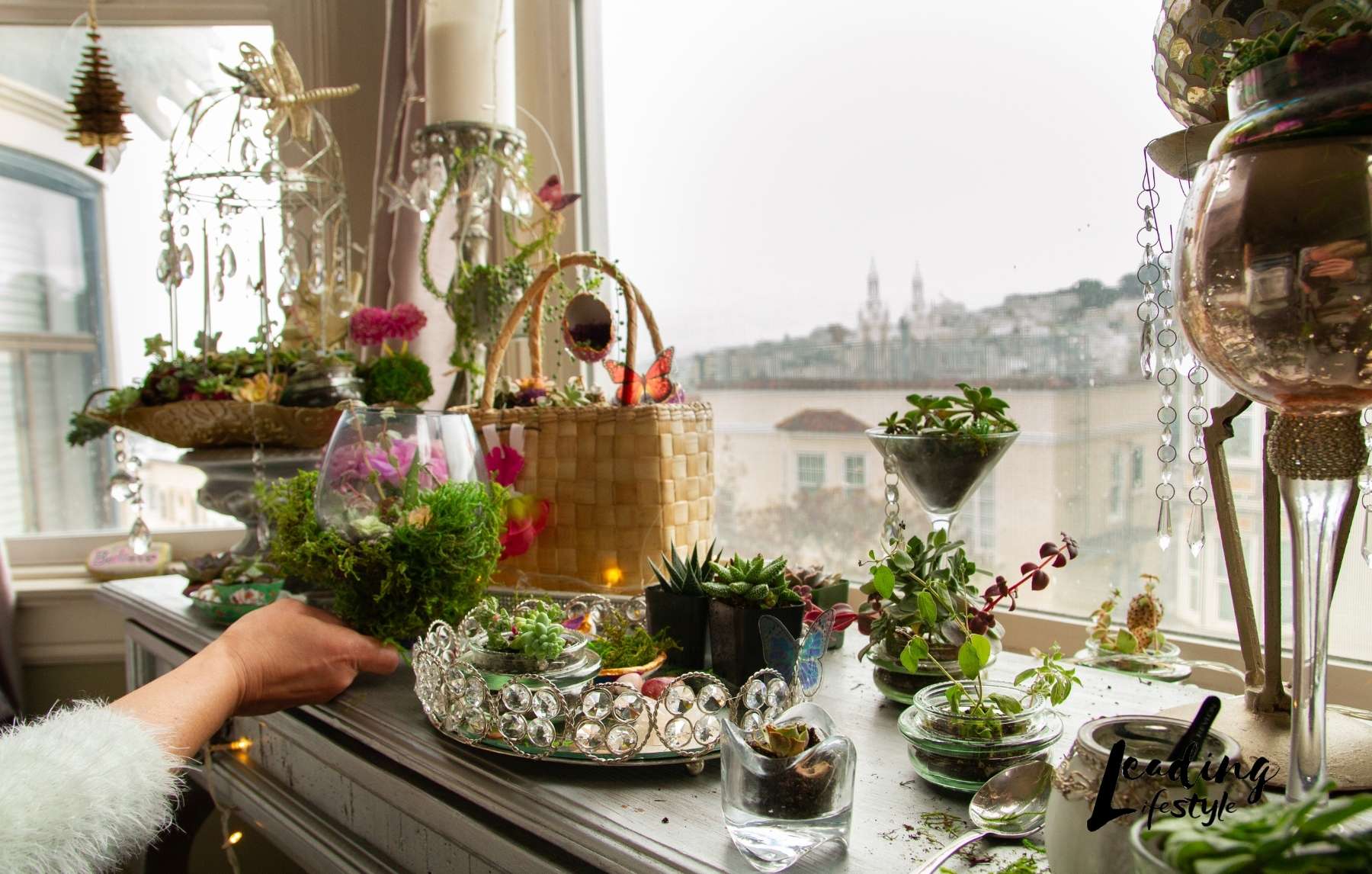
Newly purchased or recently repotted plants can scorch if moved straight from a grower’s low-light bench into bright, direct sun. Introduce stronger light gradually: a week of increasing outdoor exposure or moving a pot a few hours closer to a bright window each day helps prevent sunburn.
Rotate pots every few weeks so all sides get even light. Succulents lean toward the brightest side; regular turning prevents one-sided stretching and keeps plants compact and symmetrical.

Watch for signs that light is too intense or too weak:
- Too much: leaves with pale patches, white or black speckles, or a scorched look.
- Too little: stretched stems, spaced-out leaves, and faded color (etiolation).
If you see sunburned tissue, that tissue may remain scarred even after you correct light exposure. Plants can recover and continue growing, but the damaged marks do not always fully disappear.
Watering
Water the soil, not the plant. That short phrase helps avoid a common mistake: wetting leaves or rosettes instead of hydrating roots. The most consistent rule for many indoor succulents is to wait until the top roughly 1-2 inches of soil is dry before you water again. Use your finger to check the soil–this fingertip test is simple and reliable. If the soil feels dry down to that depth, water; if it’s still damp, wait.
Little and often beats occasional soakings in some indoor setups, especially when pots are small or the mix drains quickly. Regular, moderate waterings timed by soil dryness keep roots functional and avoid long periods of saturation followed by complete drying, which can stress the plant. That said, “little and often” must be balanced against the pot and soil: in a large terra-cotta pot with dense soil you may need fewer, larger waterings than in a small, gritty mix.
Season matters. In spring and summer most succulents are actively growing and will take more water; in autumn and winter growth slows and they need less. As a rule:
- Growing season (spring-summer): check soil regularly; you’ll probably water more often.
- Dormant or slow season (autumn-winter): extend intervals; many plants need only occasional watering.
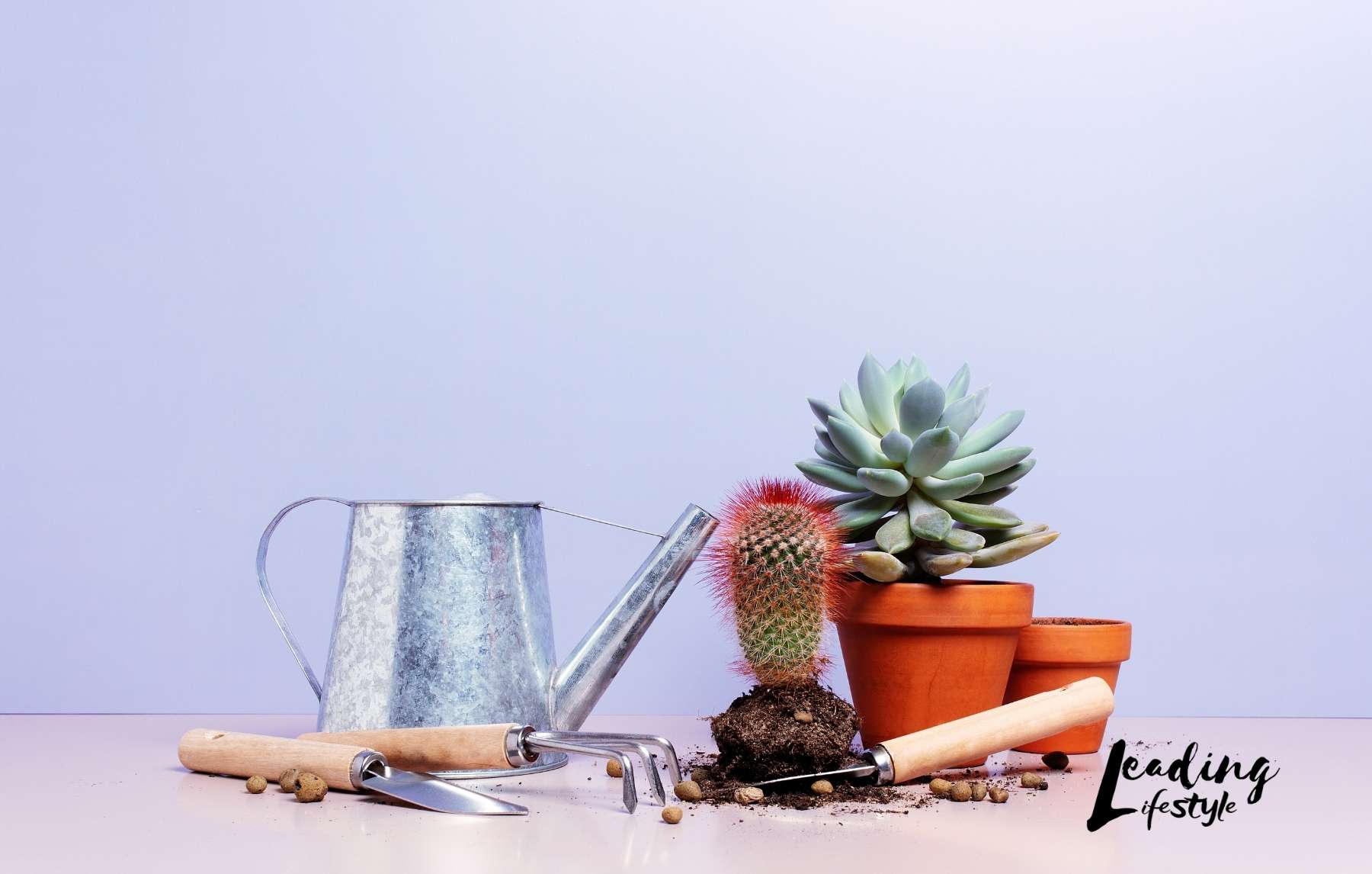
When you water, direct the water at the soil surface and allow excess to run out of the drainage holes. If using a saucer, empty it shortly after watering so the pot isn’t sitting in standing water. For pots without drainage, use much less water and check soil moisture frequently–these containers are harder to judge and carry higher risk of soggy roots.
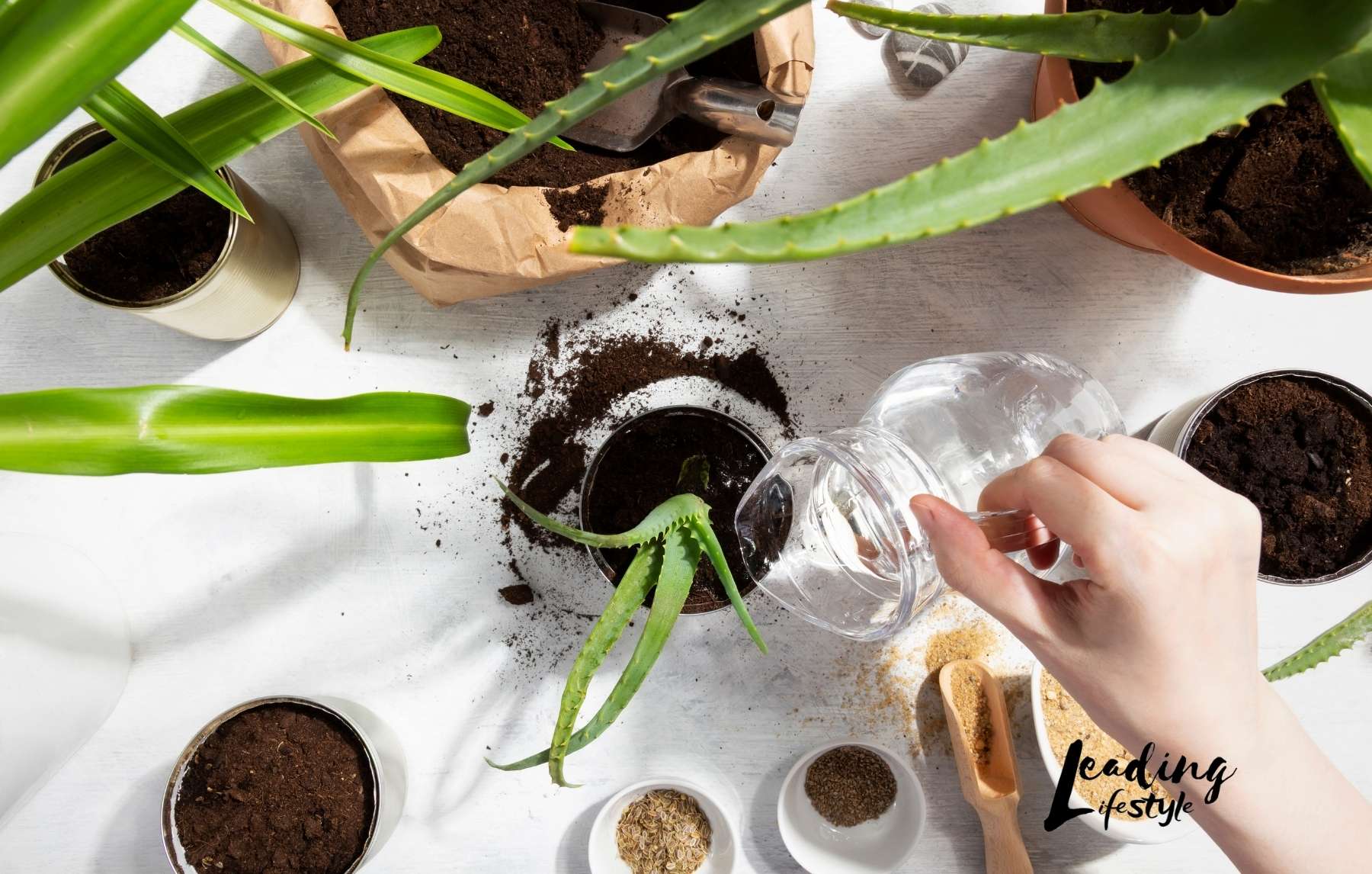
Avoid misting as the primary method of hydration–misting leaves can encourage mold and weak roots. Overwatering remains the single most common and damaging mistake with indoor succulents. For a deeper discussion of timing, symptoms, and remedies for overwatering, see the watering guide. Monitor your plants: soft, translucent leaves or a mushy stem usually indicate root trouble from excess moisture.
Practical watering routine examples
- Small succulent in a gritty mix, bright window: test top 1-2 inches; water thoroughly when dry, typically every 1-2 weeks in summer, less in winter.
- Larger jade in a terra-cotta pot with cactus mix: water more deeply but less often; the pot will dry more slowly and needs fewer waterings.
- Succulents in groups on a tray: water individual pots or use the soak-and-drain method, removing excess after drainage.
Record-keeping helps: note dates you water and how the plant responded. Over weeks you’ll see patterns and can adjust frequency to your specific microclimate.
Soil and Pots
Drainage holes are essential to prevent waterlogged roots. Never assume the saucer alone provides adequate drainage–excess water needs a path away from the soil. If you choose decorative pots without holes, either convert them by drilling or use them as cachepots, placing a drained pot inside the decorative container.
Right soil matters more than the pot’s look. Succulents prefer mixes that move water freely and do not compact. Commercial cactus and succulent mixes are formulated for this. If you mix your own, include gritty materials–pumice or perlite were mentioned originally and are both effective at improving drainage and aeration. Coarse sand, crushed granite, or small gravel also help, but avoid fine sand that can compact.
Why texture matters: succulent roots are adapted to fast-draining, rocky substrates. Dense potting soil retains water and suffocates roots, making rot more likely than drought. Aim for a mix where particles are distinct and water flows through quickly.
Pot material also influences drying: terra-cotta breathes and wicks moisture, so it’s forgiving if you tend to overwater slightly. Glazed ceramic and plastic hold moisture longer and require stricter attention to watering schedules.
Repotting basics
- Repot when the plant is root-bound or every couple of years to refresh the soil.
- Use a clean pot one size larger at most; succulents prefer snug quarters.
- Gently remove old soil, prune obviously dead roots, and place the plant at the same depth in fresh mix.
- Allow a short recovery period–keep the plant in bright, indirect light and avoid heavy waterings for a week to let any disturbed roots callus.
Cleaning and Pests
Keep plants clean and remove dead leaves from the soil surface. Dust and debris on leaves reduce the amount of light the plant can use and can hide pests. Wipe leaves gently with a soft, damp cloth; a soft paintbrush helps clear dust from spines and crevices. Removing dead material each time you water or once a month reduces hiding places for insects and fungus.

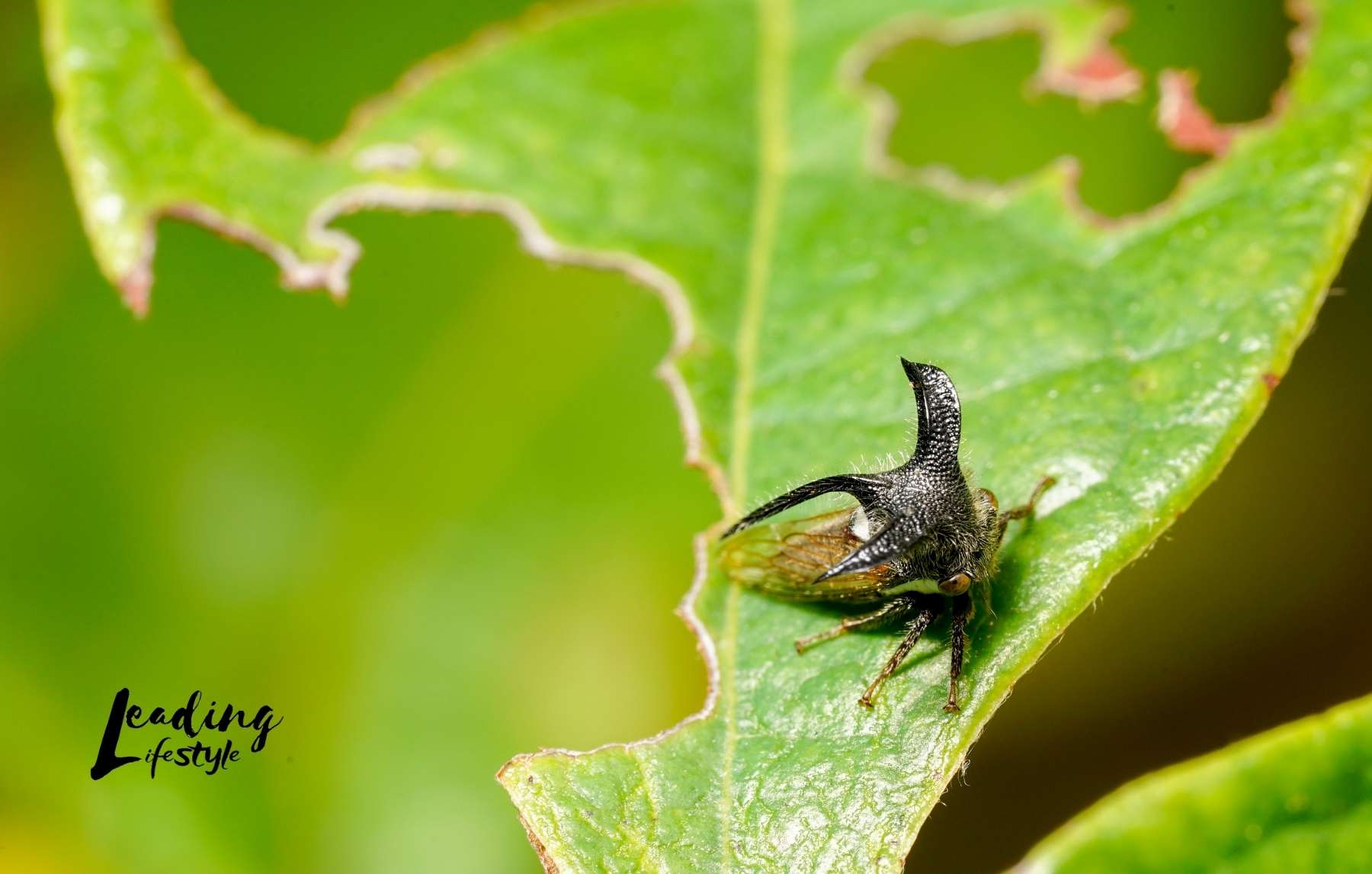
Mealybugs are the common pest most indoor succulent owners see. They are small, cottony insects that cluster in leaf axils, on roots, or at the base of stems. Fungus gnats are another frequent sign of over-damp soil. The rough approach to pests is the same: isolate affected plants, physically remove visible insects and debris, and treat eggs or larvae where they’re present.
Get rid of the bugs by cleaning and using targeted treatments. A commonly used method for eggs and larvae is applying 70% isopropyl alcohol to the soil surface; many hobbyists also use cotton swabs dipped in alcohol to wipe mealybugs from leaves and stems. Repeat inspections and treatments over several weeks are needed because life cycles can persist in protected crevices.
Long-term pest reduction
- Improve drainage and let soil dry appropriately between waterings.
- Increase air circulation around plants without creating drafts.
- Quarantine new plants for a few weeks before mixing them with existing collections.
- Replace old potting mix and clean pots if infestations recur.
Be cautious with any chemical treatments–test on a small area first, and follow product guidance when using pesticides or systemic controls. Mechanical removal plus improved cultural practices (water, light, clean soil) often solves most problems without harsh remedies.
Fertilizing
Succulents do not require heavy feeding. If you choose to fertilize, use a diluted, low-nitrogen fertilizer and apply only during the active growing season (typically spring and summer). The aim is to support steady growth without pushing the plant into rapid, weak extension. Excessive fertilization can make growth soft and leggy, which reduces overall plant resilience.
A practical regimen:
- Growing season: one light feeding every 4-6 weeks with a half-strength balanced or cactus fertilizer.
- Dormant season: do not fertilize–or do it very sparingly–since the plant is not using the nutrients.
If you prefer organic approaches, a very weak compost tea or a slow-release formula designed for succulents works, but dilute and apply cautiously. When in doubt, err on the side of underfeeding; succulents tolerate leaner soil much better than repeated heavy feeding.
Final Thoughts
Succulents reward simple, consistent care more than elaborate products or schedules. Focus on these essentials: about six hours of light for many species, a free-draining mix with grit such as pumice or perlite, pots with drainage holes, and watering the soil only when the top 1-2 inches are dry. Little and often beats occasional soakings in some setups, but adapt that idea to your pot, soil, and season.
Keep leaves clean, inspect for mealybugs and gnats, and feed sparingly in the growing season. When problems appear–soft leaves, mushy stems, moldy soil–check drainage and watering first. Often a single adjustment (better light, drier soil, cleaner pot) is all a plant needs. With observation and small, steady changes you’ll be able to keep most beginner succulents healthy for years.