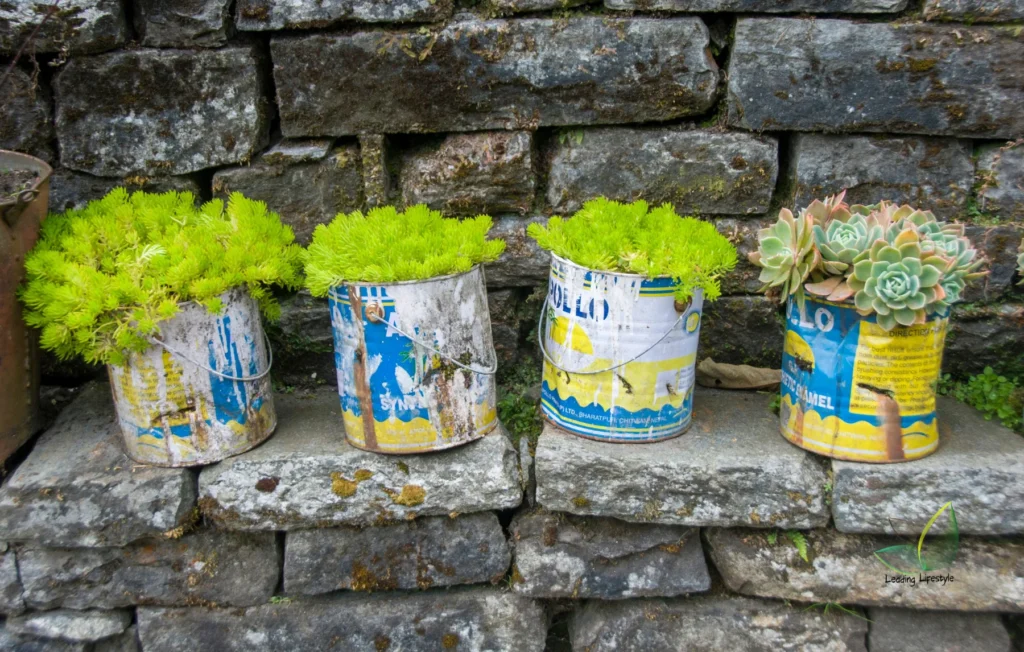
Can succulents stay outside in rain? Yes, but only under certain conditions. Succulents in the rain outdoors can thrive if they have well-draining soil, drainage holes, and are protected from prolonged cold moisture. However, succulents rain exposure during extended wet periods can lead to root rot, especially in cooler temperatures. This guide helps you decide when your potted succulents can safely stay outside in rain and when they need protection.
At a glance
- Purpose: Decide if potted succulents can handle outdoor rain
- Ideal for: Beginner-to-intermediate plant owners with outdoor succulents
- Time required: 10 minutes to assess conditions and prepare plants
- Key factors: Drainage, soil type, temperature, and duration of rain
- Main risk: Root rot from waterlogged soil, especially in cold weather
- Best practice: Use fast-draining soil and ensure pots have drainage holes
Understanding succulent rain tolerance
Succulents store water in their leaves and stems. That storage keeps them alive in drought, but it rots in wet soil. When rain keeps falling, the roots sit wet far longer than they like.
One storm is not the problem. A single shower drains away and does little harm. Day after day of rain is different. Wet soil never gets the chance to dry out. Cold rain makes it worse. Cool weather slows growth, so plants take up less water and recover slowly from stress.
Care guides focus on indoor watering schedules. Outdoor plants face something extra: weather you cannot control. The challenge is not keeping succulents dry. It is how fast their soil dries between storms.
When rain is actually beneficial
Not all rain is bad. A light shower followed by bright sun suits many succulents well. Many species evolved in climates where rain comes in wet and dry seasons.
Rainwater is softer than tap water. It leaves fewer minerals in the soil. It also rinses dust off the leaves, which helps photosynthesis.
The critical factors are:
- Temperature stays above 50°F (10°C)
- Soil drains within 24 hours
- Rain is intermittent, not continuous
- Plants receive sunlight between rain events
When rain becomes a rot risk
Succulent rot from rain typically occurs when three conditions align:
1. Cold temperatures (below 50°F/10°C)
2. Prolonged moisture (more than 48 hours of wet soil)
3. Poor drainage (water pools around roots)
In cold, wet soil, fungal pathogens thrive near the roots. Roots stop absorbing nutrients. Then they begin to rot.
Signs of trouble include:
- Yellowing or translucent leaves
- Soft, mushy stems at the base
- Black or brown spots on lower leaves
- Foul odor from the soil
Pre-rain checklist for outdoor succulents
Before leaving succulents outside during rainy weather, run through this checklist:
-
Check drainage holes
-
Ensure all pots have unobstructed drainage holes
- Verify water flows freely from the bottom
-
Elevate pots on feet or saucers to prevent water pooling
-
Assess soil mix
-
Use fast-draining cactus/succulent mix
- Add perlite or pumice for extra aeration
-
Avoid garden soil or moisture-retentive mixes
-
Evaluate pot material
-
Terracotta and unglazed ceramic dry faster
- Plastic and glazed pots retain moisture longer
-
Choose breathable materials when possible
-
Consider location
-
Move plants under covered areas if available
- Position where they receive morning sun and afternoon shade
-
Ensure good air circulation around plants
-
Monitor temperature forecasts
-
Protect plants if temperatures drop below 50°F (10°C)
- Bring sensitive varieties indoors during cold snaps
- Group plants together for microclimate protection
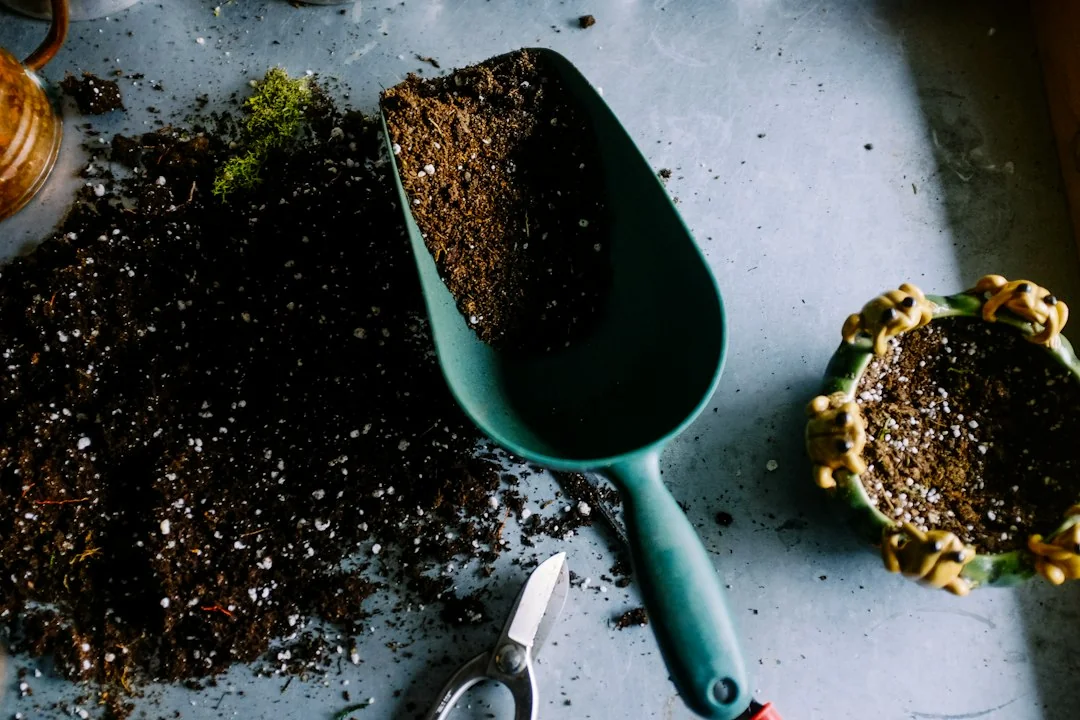
Protecting succulents from excessive rain
When heavy rain is forecast, several strategies can help protect succulents:
Temporary shelter options:
- Move potted plants under eaves or covered patios
- Use clear plastic sheeting to create makeshift rain shields
- Position plants against walls that block prevailing winds and rain
Soil management:
- Top-dress with gravel or grit to speed surface drainage
- Tip water out of saucers after each downpour
- Repot into fresh, dry mix if the pot stays wet too long
Plant selection:
- Choose naturally rain-tolerant genera for outdoor areas
- Keep tender plants in pots you can move indoors
- Group plants with similar water needs together
Cold-hardy succulent genera for rainy climates
Some succulent types handle wet conditions better than others. Here’s a comparison of common genera and their rain tolerance:
| Genus | Cold Tolerance | Rain Tolerance | Notes |
|---|---|---|---|
| Sempervivum | Very High (-30°F) | Excellent | Forms tight rosettes that shed water |
| Hardy Sedum | Very High (-30°F) | Excellent | Ground-cover types; tolerates snow cover |
| Hardy Opuntia | Very High (-30°F) | Good | Prickly pear; keep pot water under control |
| Echeveria | Frost-tender | Poor | Burns after light frost; cover or bring in for cold rain |
| Aloe | Low (30°F) | Fair | Sensitive to prolonged moisture |
| Crassula (Jade) | Frost-tender | Poor | Rots fast when wet and cold; best health above ~50°F |
| Kalanchoe | Frost-tender | Fair | Best above 40°F; prefers ~50°F long-term; move in for cold rain |
These numbers are practitioner guidance, not lab guarantees. Plant health, local climate, and cultivar all shift the real limit.
Common mistakes and how to avoid them
Overprotecting plants:
Moving pots inside after every shower causes more stress than mild outdoor rain. Let plants adjust to the weather a little at a time.
Ignoring soil conditions:
Old, compacted soil holds too much water even in a pot with holes. Refresh the mix when it turns dense.
Poor timing:
A cold, wet plant raises indoor humidity and can shock the plant. Let the pot dry first, and move it in gently.
Inadequate preparation:
Do not wait for rot to show. Set up good drainage now and the problem rarely starts.
Alternatives for rainy periods
When extended rain is expected, consider these approaches:
Indoor transition:
Move pots to a bright room for a while. A south-facing window gives most succulents enough light for a short stay.
Covered growing areas:
Build a dry spot: a patio cover, a shade structure, or a low outdoor greenhouse kit all work.
Seasonal planning:
Plan around your rainy season. Plant in spring. Bring pots inside before the winter rains arrive.
Frequently asked questions
How long can succulents stay in the rain?
Most succulents take a few hours of light rain. More than 48 hours of wet soil raises rot risk. Cold, wind, and slow drainage make it worse. Below 50°F, even 24 hours of wet soil can hurt.
Should I cover succulents during rain?
No, if drainage is good and the rain is light. Cover pots in heavy or cold rain. Use shade cloth or frost cloth. Plastic traps moisture and can cause rot.
Can I leave succulents outside during winter rain?
Winter rain is riskier because cold slows the plant and soil stays wet longer. Hardy Sempervivum and Sedum can often ride it out. Tender plants like Echeveria need cover or a spot indoors. Keep an eye on the forecast.
What happens if succulents get too much rain?
Overwatering shows fast: yellow leaves, soft stems, rot. Dark spots or mold point to fungus. Act fast. Cut out damaged parts, improve drainage, and let the soil dry out fully before the next watering.
Practical summary
Before leaving succulents outside during rainy weather:
- Confirm all pots have functional drainage holes
- Verify soil drains within 24 hours after saturation
- Check that temperatures will remain above 50°F (10°C)
- Position plants where they’ll receive some sun between rain events
- Have a backup plan for moving plants to shelter if conditions worsen
If any check fails, move the pots to shelter or cover them.
Conclusion
Can succulents stay outside in rain? It depends on your setup. With free-draining soil, drainage holes, and mild temperatures, most can handle normal rainfall. Know when rain turns harmful, and be ready to move or cover pots.
Drainage matters most. Dry roots between storms keep succulents safe. Check your pots often, and act fast if problems appear.
For more detailed guidance on seasonal succulent care, visit our complete guide at https://pathosbay.com/succulents-care-guide-for-beginners/.
Sources
- Debra Lee Baldwin, Succulents Simplified (Storey Publishing)
- Missouri Botanical Garden Plant Finder – Agave parryi (reported cold survival in dry cold; rots in wet cold) – https://plantfinder.mobot.org/ (live Plant Finder root; Agave parryi entry)
- Succulent Growing Tips – Is Echeveria Frost Hardy? (mild-frost leaf-burn and rot behavior)