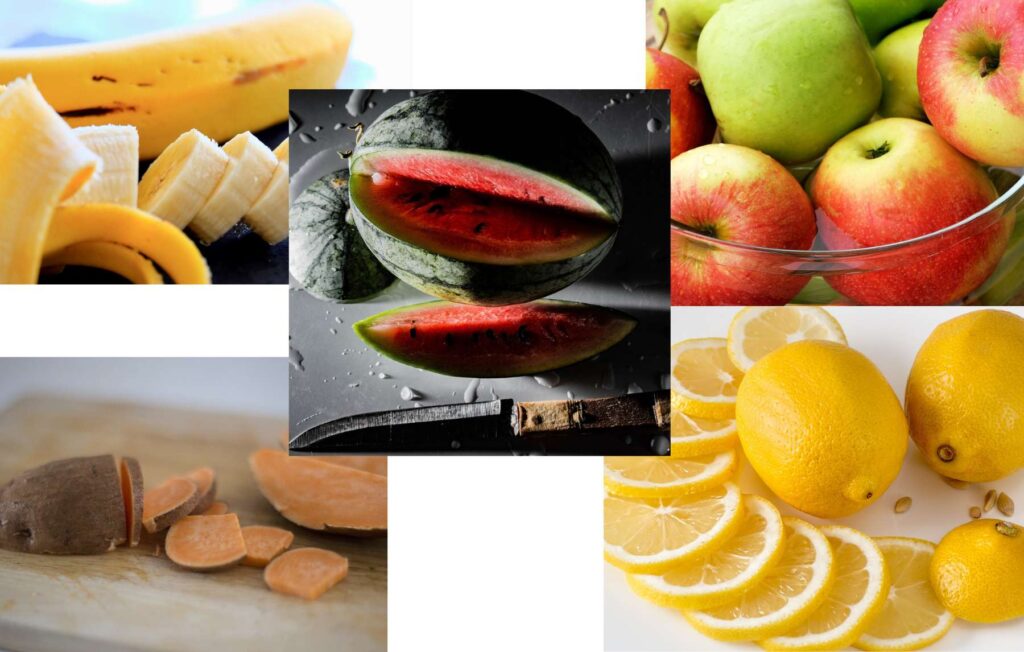
Food isn’t medicine, but dehydration, skipped meals, and low blood sugar are common headache triggers, so what you eat can matter. The five items below are everyday choices that may help you avoid or rebound from those triggers. Read them as practical snacks and small ways to support hydration and steady energy, not as treatments.
Banana
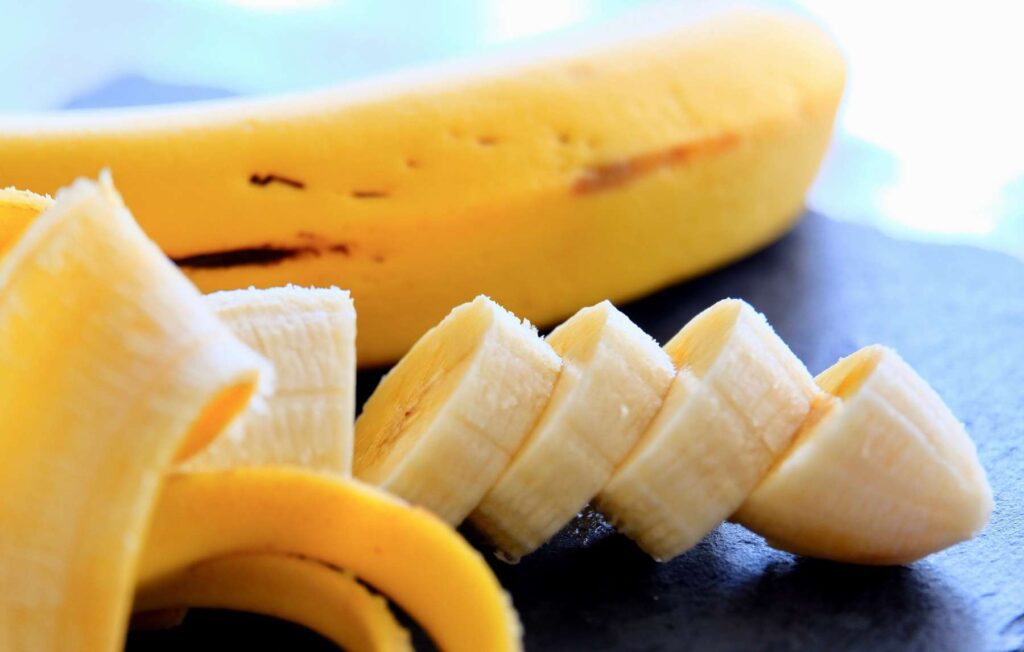
Bananas are a familiar, easy-to-eat snack many people reach for when they need something quick. They provide potassium, an electrolyte that can be lost through sweating, vomiting, or heavy exertion, and they supply easy-to-digest carbohydrates — which matters when a headache follows a long gap without food. Potassium helps the body keep fluids and electrolytes balanced; that doesn’t mean a banana will fix a severe problem, but it can be a sensible component of gentle rehydration and refueling.
A banana’s texture also makes it a practical choice if you have nausea along with a headache. For a little more staying power, slice a banana over whole-grain toast or stir it into plain yogurt; combining the fruit with a bit of protein or fiber slows digestion so glucose enters your bloodstream more steadily. If you exercise frequently, carrying a banana in your gym bag is an easy way to replace both carbs and some electrolytes on the go.
Watermelon
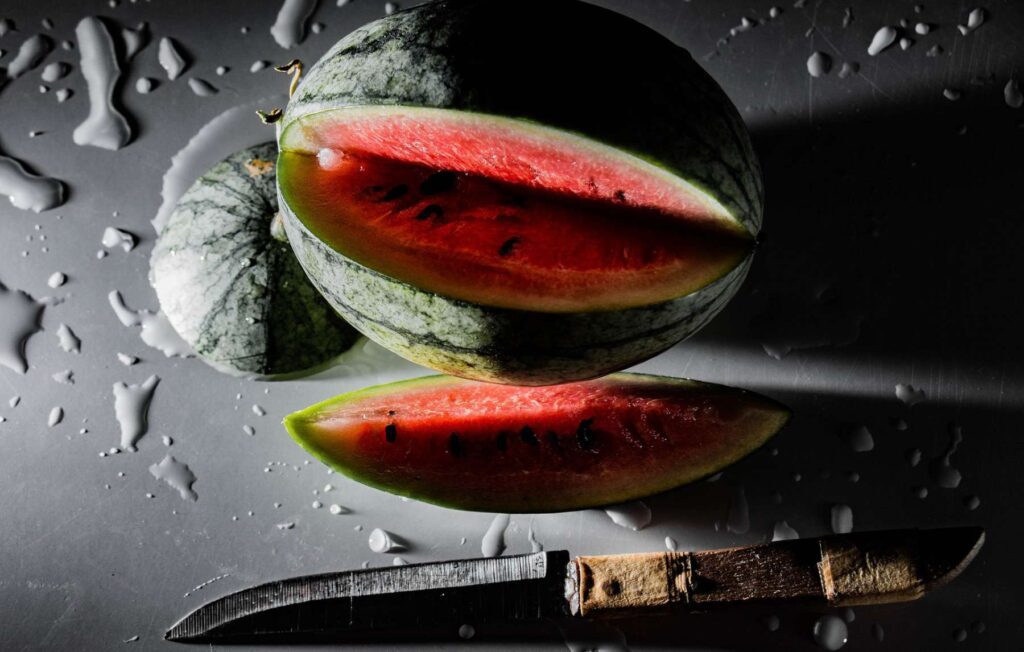
Watermelon is roughly 92% water, which makes it a particularly hydrating snack. When dehydration contributes to a headache, replacing fluids and the electrolytes that often accompany them can reduce the intensity of mild headaches for some people. Hydration helps maintain blood volume and supports circulation, which can affect how your brain and surrounding tissues perceive pain.
Because watermelon is so watery, it’s gentle on an unsettled stomach. For convenience, cut a melon into cubes and keep them in an airtight container in the fridge for a couple of days. If you prefer a cooler sip, blend melon with ice and a handful of fresh mint for a low-sugar cooler; you can also mix small pieces of watermelon into a bowl of berries for a hydrating fruit salad that’s quick to eat when you feel off.
Lemon
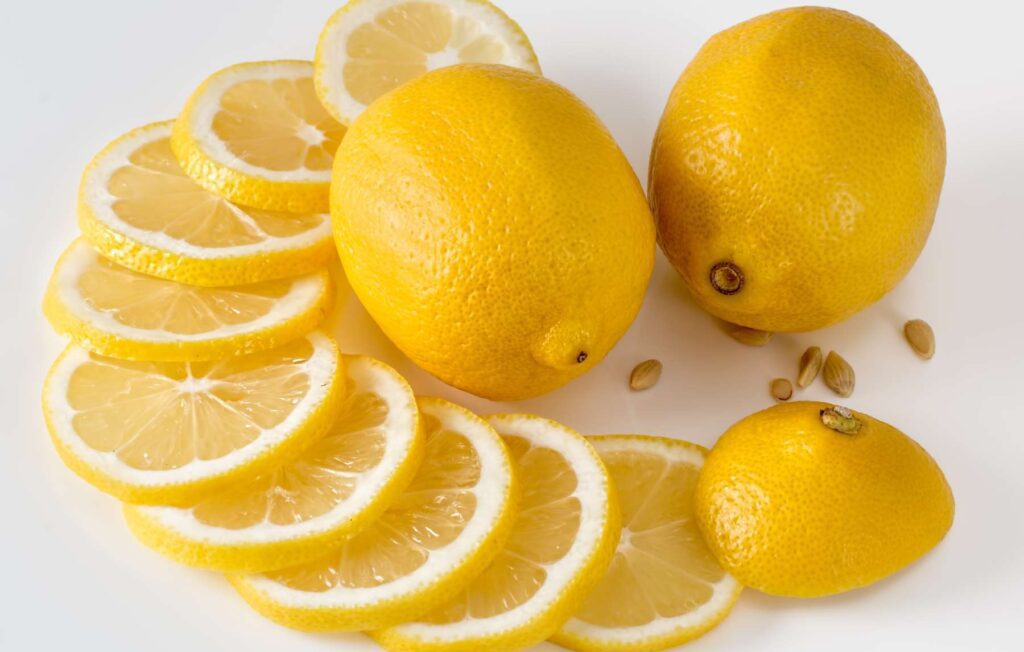
Some people find flavored water easier to drink than plain water, and a squeeze of lemon can make staying hydrated less of a chore. Lemon adds bright flavor and a small amount of vitamin C, and the simple act of making water taste better may help you drink more over the course of the day. Increased fluid intake can matter for headaches linked to dehydration or to afternoon energy slumps.
Make a lemon-infused bottle the night before: thin slices of lemon, maybe a few cucumber rounds and a sprig of mint, sit in cold water and mellow overnight. If tartness is off-putting when your stomach is sensitive, dilute the lemon juice more heavily or try a couple of orange slices instead. Carrying a reusable bottle with a light citrus infusion removes the barrier of “I don’t feel like drinking plain water” and can prevent the slow dehydration that sometimes leads to headaches.
Apple
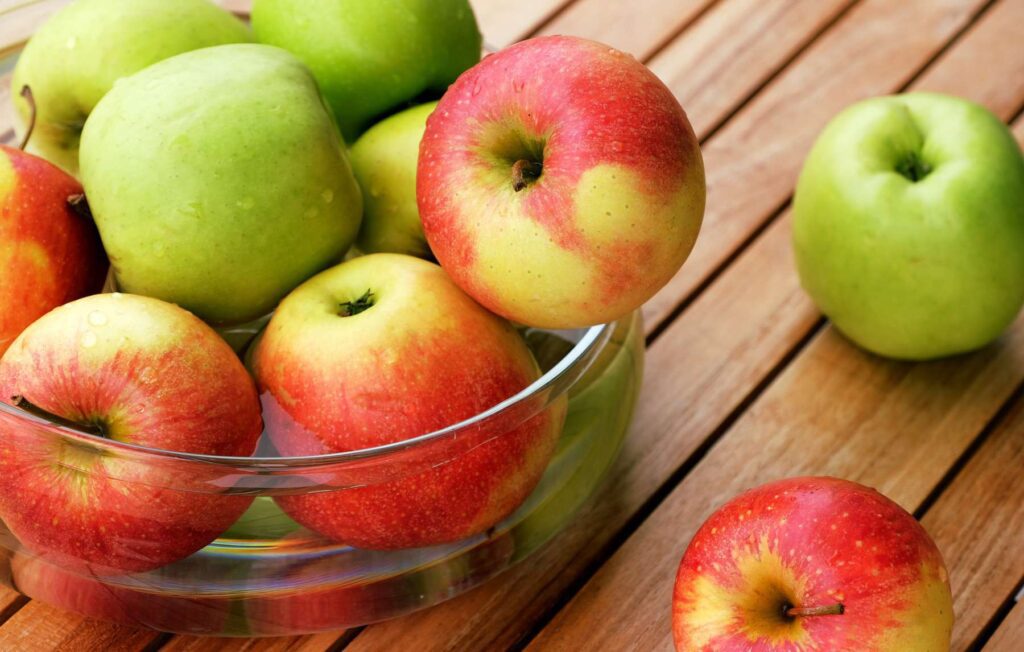
An apple is a quick, portable source of carbohydrate with some fluid content, which helps when appetite is low or when you need a clean, simple bite. Apples contain flavonoids, a group of plant compounds found widely in fruit; this is a nutrient fact rather than a promise of benefit, but flavonoid-rich foods are common in a balanced diet. Because an apple’s sugars are released relatively quickly, pairing it with a little fat or protein can make the snack more stabilizing.
Try slicing an apple and eating it with a handful of almonds, a smear of peanut butter, or a small piece of cheese. That pairing keeps you from hitting a rapid blood-sugar dip later, which is one common trigger for tension or rebound headaches. Apples are also easy to prep for travel: core and slice them, toss the slices with a little lemon juice to slow browning, and pack them with a small pouch of nut butter for convenience.
Sweet Potato
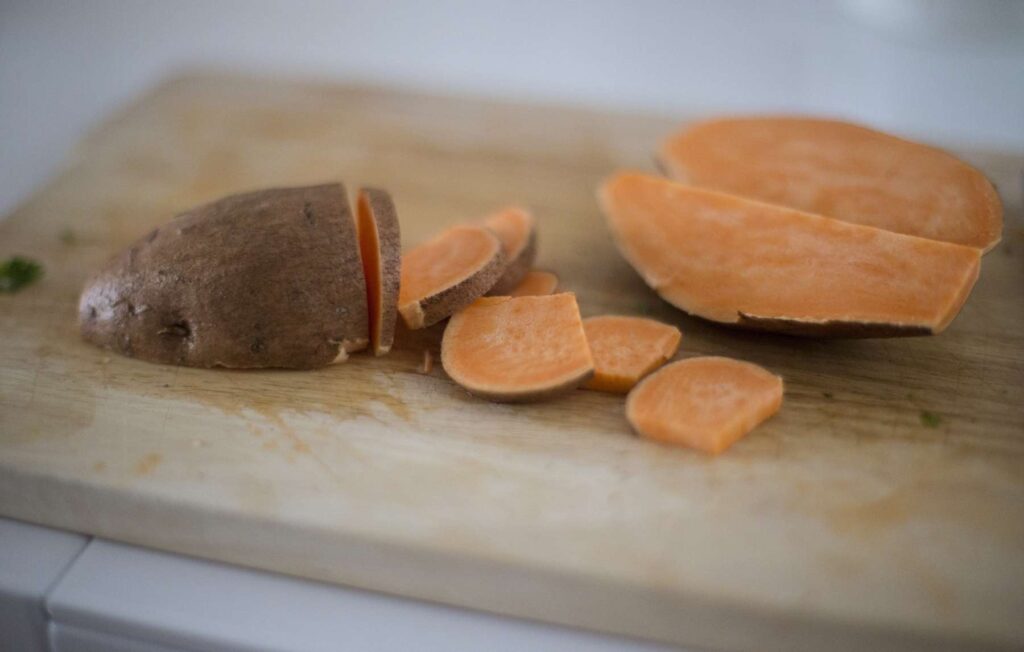
Sweet potato is a root vegetable rather than a fruit, but it deserves a spot because it’s a nourishing, starchy option many people find filling and gentle on the stomach. Sweet potatoes contain magnesium along with potassium and fiber; magnesium is a mineral involved in many body processes, including muscle and nerve function, and noting its presence is a basic nutritional point rather than a claim about treating pain. The complex carbohydrates in sweet potato release energy more slowly than a sugary snack, which can help steady blood sugar and appetite.
A cooked sweet potato is a handy go-to that stores well in the fridge for a few days. Microwave one for a quick warm snack, or roast several at once on a sheet pan and keep them for the week. Top a warm sweet potato with plain yogurt and a sprinkle of cinnamon, or mash one and stir in a little olive oil and black pepper for a savory option. For people who tolerate warm, gentle foods when unwell, this can be a comforting, satiating choice that avoids sharp sugar spikes.
When a Headache Needs More Than a Snack
- Sudden, severe headache that reaches peak intensity within seconds or minutes
- A headache described as the worst of your life
- Headache with fever and stiff neck, or with confusion, weakness, numbness, or changes in vision
- Headache after a head injury
If you have any of these signs, seek prompt medical care.
This post is general information, not medical advice; talk with a healthcare professional about recurring headaches.