
Can succulents be outside in winter? It depends on the plant’s cold tolerance and your local climate. Succulents outside in winter need shelter once temperatures drop. For most common houseplants, that line sits between 32°F and 40°F. Read on to decide: leave them out, insulate them, or bring them in.
At a Glance
- Purpose: Help succulent owners decide whether to leave plants outside, protect them, or move them indoors before frost
- Audience: Beginner-to-intermediate succulent growers in temperate climates facing seasonal temperature drops
- Time investment: 5–10 minutes to assess and act
- Key tools: Thermometer, frost cloth or burlap, grow lights (if bringing indoors)
- Benefits: Prevents frost damage, reduces plant loss, maintains plant health
- Limitations: Local microclimates vary; always verify specific plant tolerances
The 32°F / 40°F Rule That Actually Matters
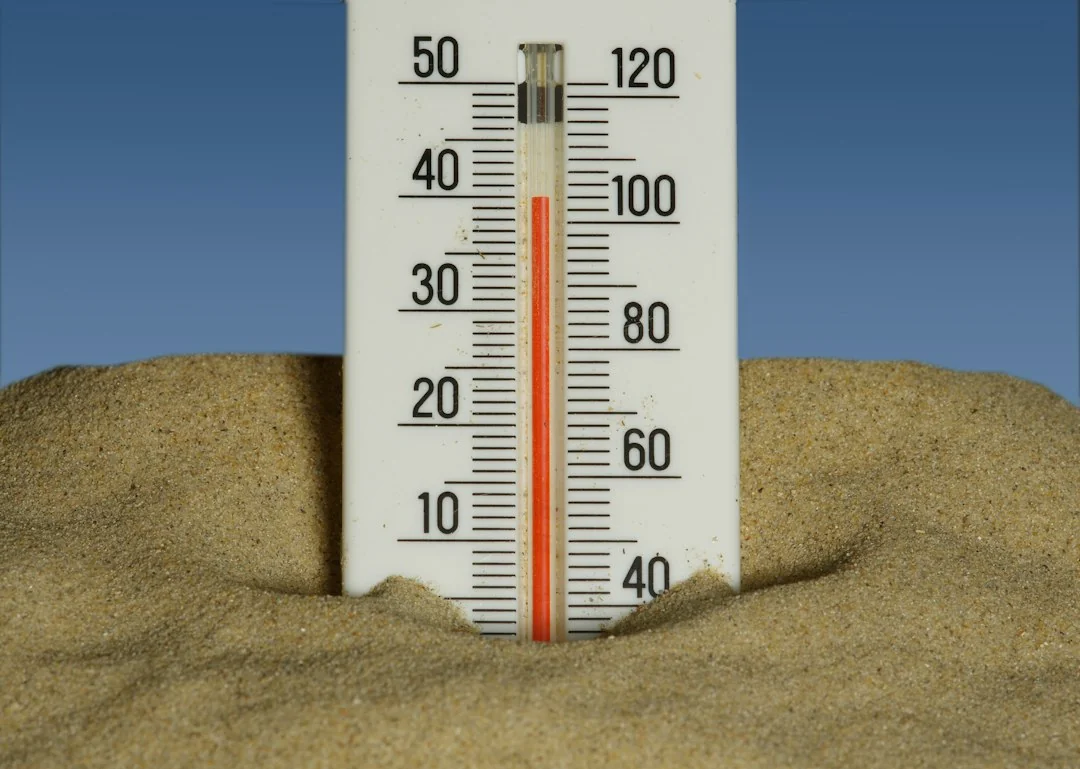
Most non-hardy succulents cannot survive freezing temperatures. The critical thresholds are simple:
- 32°F (0°C): Freezing point — water inside the plant turns to ice. It ruptures cells and kills soft-leaved plants
- 40°F (4°C): Cold-damage line — long exposure harms growth tissue even without ice forming
Grower guides keep coming back to these two benchmarks — including Debra Lee Baldwin’s How to Grow Succulents in Cold Northerly Climates and Harddy’s What Temperature Is Too Cold for Succulents. Bring tender plants inside before lows reach 40°F. Hardy types can stay out until real freezes hit 32°F.
Genus Quick Check: Frost-Hardy vs Soft Succulents
Use it to sort your plants fast — which can stay out, and which must come in:
| Genus | Typical Tolerance | Notes |
|---|---|---|
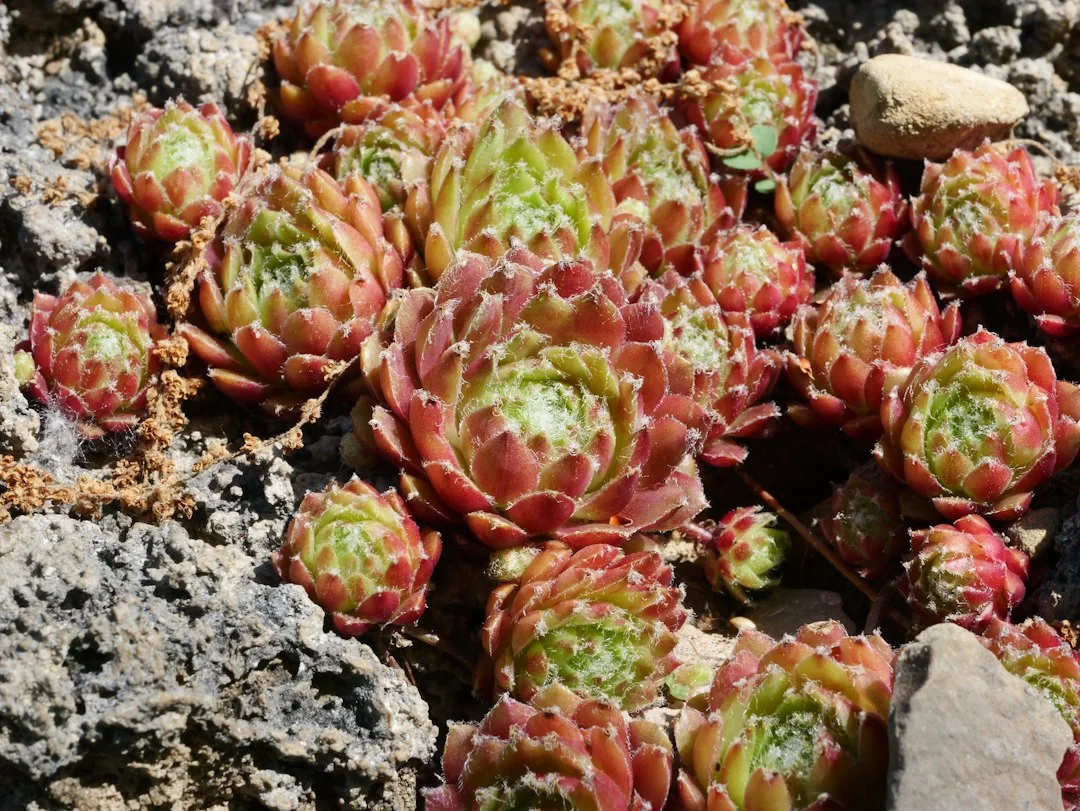
| Sempervivum | To about −30°F (−34°C) | Extremely cold-hardy; ideal for outdoor overwintering |
| Hardy Sedum (e.g., Sedum spurium) | To about −30°F (−34°C) | Thrives in full sun and well-drained soil |
| Hardy Opuntia (e.g., Opuntia humifusa) | To about −30°F (−34°C) | Cold-tolerant cactus; tolerates snow cover |
| Echeveria | Light frost only | Soft leaves show burn marks after mild frost; bring in before first freeze |
| Crassula (e.g., jade plant) | Above ~50°F (10°C) | Keeps winter nights near 50–55°F; sensitive to frost and freezing |
| Haworthia | Frost-tender | Also hates cold, wet soil; keep dry and indoors |
The Decision Framework
Answer these four questions for each plant:
-
What is the lowest temperature this plant can tolerate?
The genus table above has your answer. -
What are the expected overnight lows in my area during winter?
Check your local forecast and past winter lows. -
Will the plant be exposed to wind, rain, or extended dampness?
Cold plus wet soil raises the risk of rot a lot. -
Is adequate indoor growing space and light available if needed?
Think about window space and lights before you bring plants in.
Based on your answers, choose one of three actions:
| Condition | Can Stay Outside? | Action |
|---|---|---|
| Tolerates temps at or below forecast lows | Yes | Leave outdoors with minimal intervention |
| Slightly above tolerance but no freeze expected soon | Maybe | Insulate with frost cloth or move to sheltered spot |
| Below tolerance or freeze likely within 7 days | No | Bring indoors immediately |
If You Bring Them Inside: The First 7 Days Matter
Indoor winter air is a big change for these plants — less light, drier air, and wider temperature swings. Run this checklist during their first week indoors:
- Inspect for pests – Look over leaves and soil. Check for mealybugs, spider mites, or scale that rode in with the pot.
- Quarantine new arrivals – Keep them away from your other houseplants for one week.
- Adjust watering – Water less often. Let the soil dry out fully between drinks.
- Light them well – Place near an east-facing window, or run a grow light for 6–8 hours a day.
- Watch for stress – Yellow leaves, droopy stems, or white powdery mold mean act now.
- Hold the fertilizer – Start feeding again in spring, when growth picks back up.
- Keep air moving – A small fan or a cracked window curbs fungus.
Repotting into a fast-draining mix keeps root rot away while plants rest. Jade plants have their own recipe — see our succulent soil mix for jade plant guide.
FAQ
When should I bring succulents inside for winter?
Bring tender succulents inside when nighttime temperatures consistently fall below 40°F (4°C). Hardy varieties like Sempervivum and Sedum can stay outside until hard freezes are forecast.
How can I protect outdoor succulents from frost?
Cover plants with frost cloth, burlap, or cardboard boxes during cold snaps. Move potted plants to sheltered areas like garages or against south-facing walls.
Can succulents survive winter indoors?
Yes, many succulents can survive indoors through winter if provided with sufficient light and proper care. However, some may enter dormancy and require reduced watering.
What succulents are best for outdoor winter gardening?
Cold-hardy options include Sempervivum, Sedum species, and Opuntia. These genera tolerate freezing temperatures and minimal care once established.
Practical Summary
Before the first frost:
- Identify your succulent genera using the quick-reference table
- Monitor local weather forecasts closely
- Apply one of three actions: leave, protect, or bring inside
- If moving indoors, follow the first-7-days checklist
- Adjust watering and lighting accordingly
Sources
- Debra Lee Baldwin, Frost and Succulents: What You Need to Know (debraleebaldwin.com)
- Harddy, What Temperature Is Too Cold for Succulents
- SucculentsBox, Outdoor Succulents for Extreme Cold Weather
- The Old Farmer’s Almanac, Jade Plant Care (winter-night range and 50°F handling floor)
- Succulent Growing Tips, Is Echeveria Frost Hardy? (mild-frost leaf-burn behavior)
Hardy-genus figures (−30°F) reflect published outdoor cultivation guidance; individual cultivars vary — verify your specific plant.