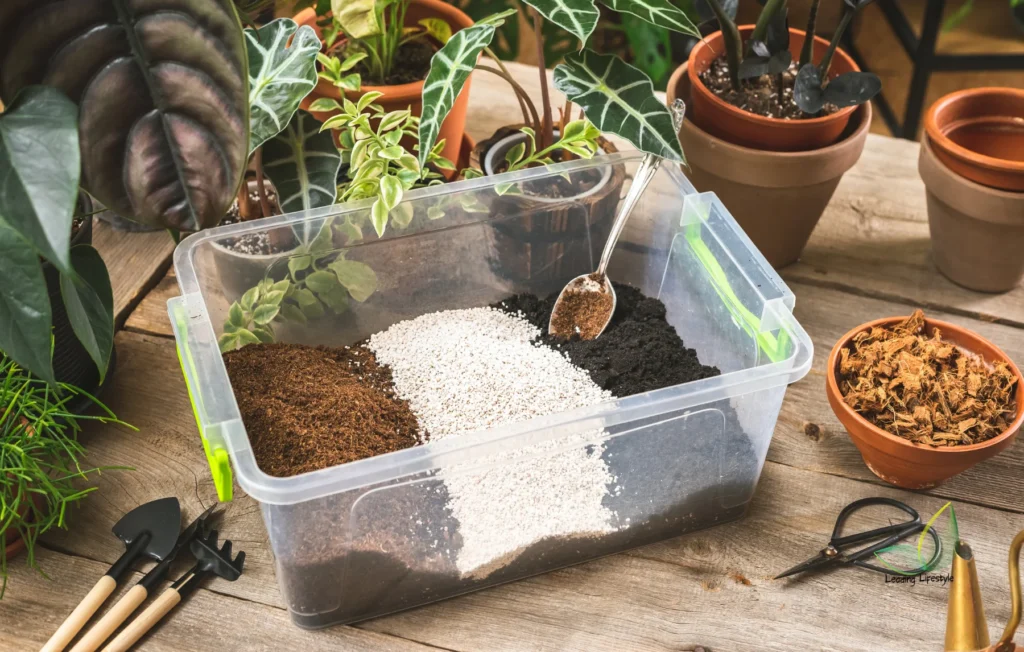
The right succulent soil mix ratio comes down to one number: how much mineral grit versus organic matter. A healthy baseline is 1:1—half coarse sand, perlite, or pumice, half potting soil.
Short answer: the ideal succulent soil mix ratio is 50% grit and 50% potting soil indoors, about 33% organic outdoors in humid climates, and 70-75% grit for desert cacti.
An indoor mix is 50% grit, 50% potting soil.
Four tuning triggers: succulent pots with drainage holes, the succulent soil mix outdoor rainy regions need, and the succulent soil mix for jade plant.
And the repotting succulents soil refresh every 2-3 years keeps the ratio from drifting wetter as ingredients break down.
A mix that stays wet for more than a week is what kills most succulents—not neglect, not pests—so PathosBay’s care guides put watering first and soil second.
At a glance
- Purpose: create well-draining soil that mimics succulents’ natural arid environments
- Baseline ratio: 50-67% inorganic (sand, perlite, pumice) with 33-50% organic (potting soil, compost)
- Cost: $15-30 for enough materials to fill 10-15 medium pots when mixing yourself
- Main risk the ratio prevents: root rot, the leading killer of container succulents
- No universal formula: jade plants, desert cacti, and tropical succulents each need different shares
Why succulent soil composition matters
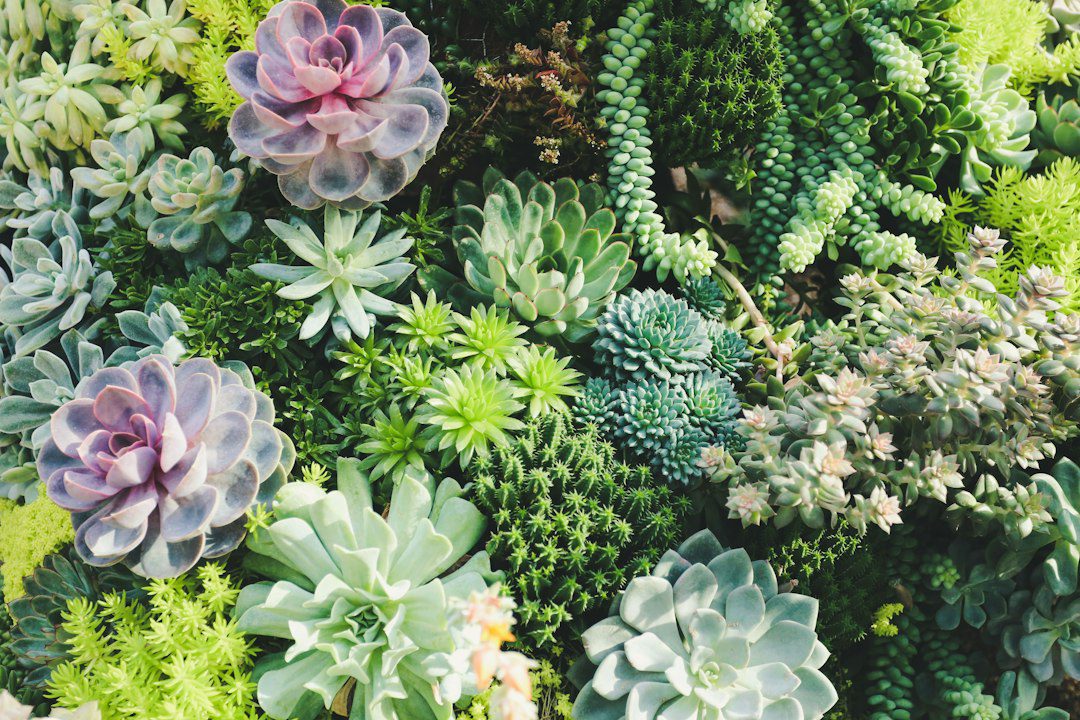
Succulents evolved in environments where rain is infrequent but intense. Their roots are designed to absorb water quickly, then sit in dry conditions for extended periods. Standard potting soil retains moisture for days or weeks—far too long for most succulents.
When succulent roots stay wet, they can’t access oxygen. Within 48-72 hours, root rot begins. The plant’s leaves turn yellow or translucent, stems become mushy, and the damage is often irreversible by the time you notice symptoms.
A proper succulent soil mix solves this by allowing water to flow through quickly while maintaining just enough structure to anchor roots and hold minimal moisture. The right succulent soil mix ratio depends on three factors: your climate’s humidity, your watering habits, and whether your containers drain at all. If you’re starting from scratch, our guide to choosing the best soil for succulents covers store-bought options first.
What each soil ingredient does
Inorganic materials (the drainage components)
Coarse sand creates air pockets between particles and adds weight to prevent top-heavy succulents from tipping. Use builder’s sand or horticultural sand with particles 1-2mm in diameter. Avoid fine play sand, which compacts and blocks drainage.
Perlite is heat-treated volcanic glass that looks like small white popcorn. It’s extremely lightweight, improves aeration, and doesn’t break down over time. Perlite floats to the soil surface during watering and can blow away outdoors in windy conditions.
Pumice is porous volcanic rock that absorbs some water while maintaining excellent drainage. It’s heavier than perlite, stays mixed throughout the soil, and works especially well for outdoor containers. Pumice in 1/4-inch size provides the best balance of drainage and stability.
Gravel or crushed granite adds drainage and weight but provides no water retention. Use it as 10-20% of your mix or as a top dressing to prevent stem rot where the plant meets the soil.
Organic materials (the nutrient and structure components)
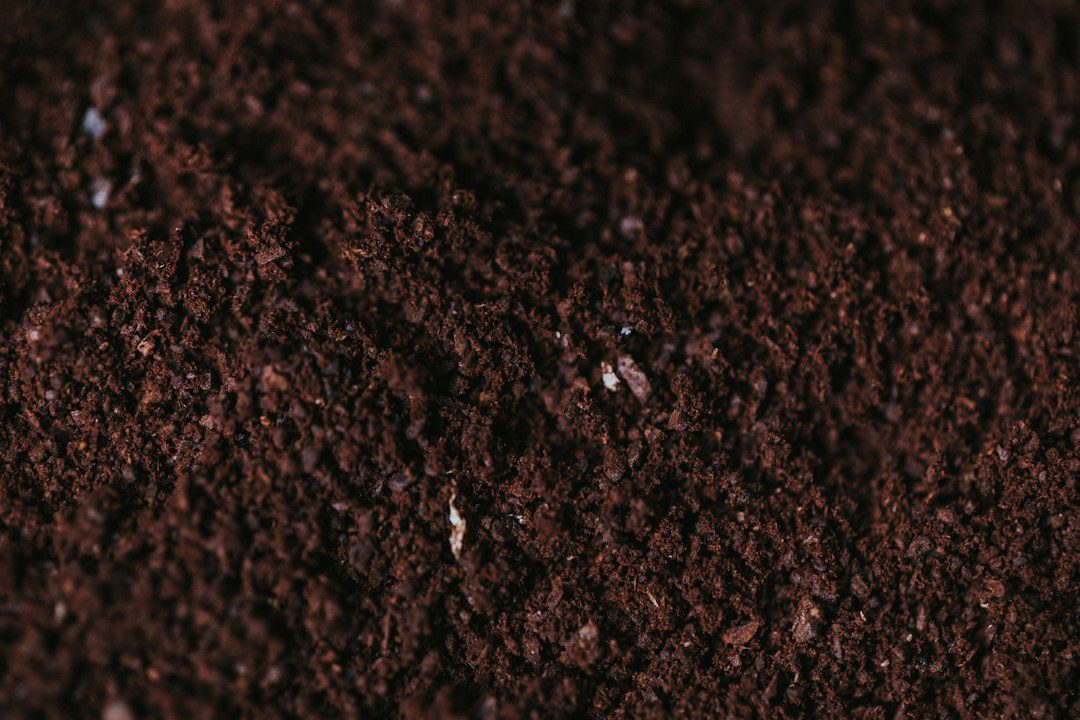
Potting soil provides the organic matter that holds nutrients and retains minimal moisture. Choose a soil-based or peat-based potting mix without added fertilizers or moisture-retention crystals. These additives work against the fast-draining conditions succulents need.
Coconut coir is a sustainable peat alternative that provides structure and holds water without becoming waterlogged. It breaks down more slowly than peat and works well in succulent mixes at 10-20% of the total volume.
Compost adds nutrients and beneficial microorganisms. Use aged, well-decomposed compost at no more than 10-15% of your mix. Fresh compost retains too much moisture and can introduce fungus gnats.
Pine bark fines improve drainage while adding organic matter. They’re particularly useful for outdoor mixes in humid climates, where extra drainage is essential.
Standard succulent soil mix ratios
The four recipes below cover the situations most growers run into. Each succulent soil mix ratio is written as volume shares of the finished blend:
| Succulent soil mix ratio | Potting soil | Perlite | Coarse sand | Pumice | Bark fines | Best for |
|---|---|---|---|---|---|---|
| Basic indoor | 50% | 25% | 25% | — | — | echeveria, sedum, haworthia; indoor 30-50% humidity |
| High-drainage outdoor | 33% | — | 33% | 33% | — | rainy or >60% humidity; outdoor year-round containers |
| Desert cactus | 25% | 25% | — | 50% | — | true desert cacti; very fast drainage |
| Jade plant / crassula | 60% | 20% | 20% | — | — | thick-stemmed succulents that tolerate more moisture |
When a succulent soil mix ratio needs tuning mid-year, mix fresh batches rather than guessing—table stakes for serious growers is one batch per season. Notes on each recipe:
Basic indoor mix (moderate humidity)
This balanced succulent soil mix ratio works for most common succulents like echeveria, sedum, and haworthia in typical indoor conditions with 30-50% humidity.
High-drainage outdoor mix (humid climates)
Use this succulent soil mix outdoor beds and outdoor containers need in regions with frequent rain, humidity above 60%, or weather that keeps pots wet for days. The increased inorganic content prevents water retention during humid periods.
Desert cactus mix (very fast draining)
True desert cacti need even faster drainage than most succulents. This lean succulent soil mix ratio mimics their native sandy, rocky soils.
Jade plant and crassula mix (moderate drainage)
A gentler succulent soil mix for jade plant and similar thick-stemmed succulents—they tolerate slightly more moisture than rosette-forming varieties and benefit from the additional organic matter for nutrient availability.
When to change your soil formula
You’re watering more than once every 10-14 days
If your soil stays damp for more than 5-7 days after watering, increase the inorganic content by 10-20%. This indicates your succulent soil mix ratio retains too much moisture for your environment.
Containers lack drainage holes
When using decorative pots without drainage, shift to a 70-75% inorganic mix. The extra grit compensates for water that can’t escape through the bottom—this is the same reason well-chosen succulent pots with drainage holes forgive a wetter care routine. Better yet, drill drainage holes or use these containers as outer cachepots with a draining inner pot.
Growing succulents outdoors
Outdoor conditions require adjustment based on your climate. In areas with summer rainfall or humidity above 60%, increase inorganic materials to 60-70% of the mix—the succulent soil mix outdoor growers rely on is simply the indoor recipe with the organic share cut to a third. In dry climates with humidity below 30%, you can use a more balanced 50-50 ratio.
Different succulent types
Tropical succulents (like Christmas cactus and some euphorbias) come from humid forests rather than deserts. They prefer a 60-70% organic mix that retains more moisture.
Lithops and other mesembs need extremely fast drainage—use 70-80% inorganic materials with minimal organic content.
Aloe and agave fall between these extremes and do well with the standard 50-50 ratio.
Repotting mature plants
Succulents typically need repotting every 2-3 years when roots fill the container or soil breaks down. Repotting succulents soil refresh is your opportunity to adjust the formula based on how the plant performed: if growth was slow or leaves looked stressed, try increasing organic content by 10%; if you battled root rot or fungal issues, increase drainage materials. For the full procedure, see how to repot succulents.
Seasonal adjustments
Some growers prepare two soil batches: a faster-draining mix for winter when growth slows and watering decreases, and a slightly richer mix for the active growing season in spring and summer. This level of customization isn’t necessary for beginners but can optimize growth for collectors with large numbers of plants.
Mixing and using your succulent soil
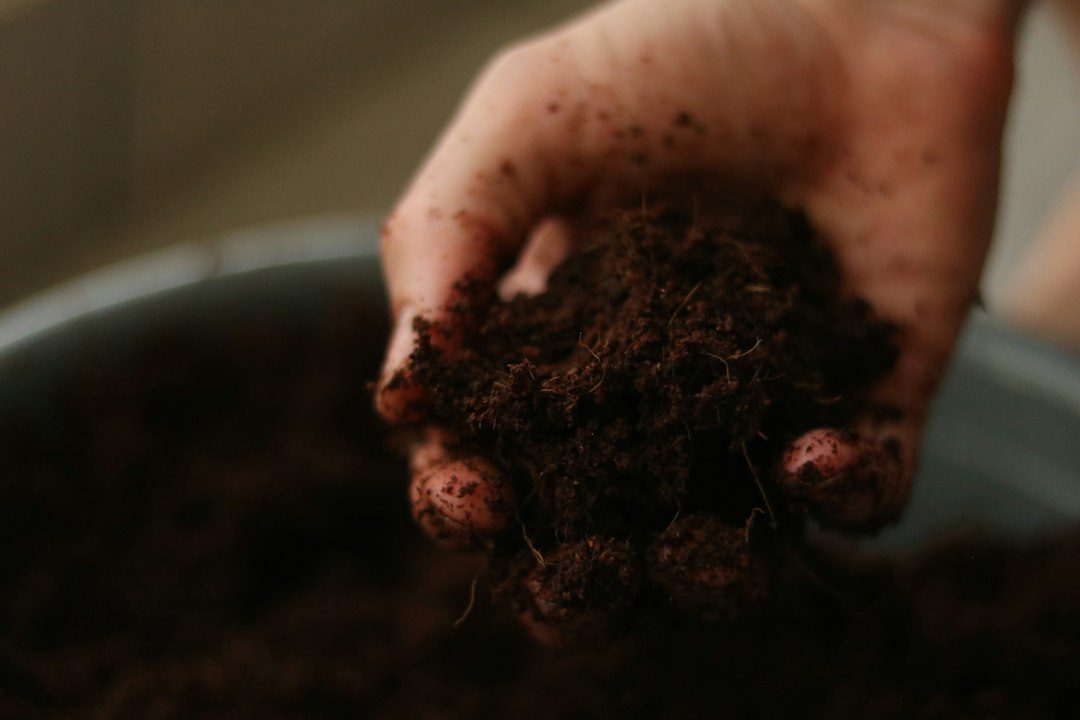
Combine dry ingredients in a large bucket or tub. Mix thoroughly for 2-3 minutes to distribute materials evenly. The mixture should look uniform with no pockets of pure potting soil or inorganic materials.
Before using fresh mix, moisten it slightly—completely dry soil repels water initially. Add water gradually while mixing until the soil is barely damp, not wet. It should hold together briefly when squeezed, then crumble apart.
When repotting, remove old soil from roots gently. Damaged or rotted roots should be trimmed with clean scissors. Fill the new container one-third full with mix, position the plant, then add soil around the roots while tapping the pot to settle materials. Leave the soil surface 1/2 inch below the pot rim to prevent overflow during watering.
Wait 3-5 days after repotting before watering. This allows any damaged roots to callus over and reduces rot risk. After that, resume a watering schedule matched to the new, faster-draining blend—our complete watering guide explains how often to water once the soil dries properly.
Common mistakes with succulent soil
Using regular potting soil alone is the most frequent error. Standard potting mixes retain moisture for 7-14 days—far too long for succulents. Always add drainage materials.
Choosing containers without drainage holes makes any succulent soil mix ratio moot, because water accumulates at the bottom even with fast-draining soil, creating a perched water table that damages roots. Pick succulent pots with drainage holes whenever you can—or drill them yourself.
Adding too much perlite creates an unstable mix that dries out too quickly and doesn’t anchor roots well. Keep perlite to 25-35% of the total mix and balance it with heavier materials like sand or pumice.
Reusing old succulent soil without amendment risks carrying over pests, diseases, and salt buildup from fertilizers. If reusing soil, remove plant debris, add 30-40% fresh materials, and bake the mix at 180°F for 30 minutes to sterilize.
Fertilizing too frequently causes salt accumulation in fast-draining mixes. Succulents need minimal fertilizer—a diluted application once in spring and once in summer is sufficient for most varieties.
Alternatives to mixing your own soil
Pre-mixed cactus and succulent soil costs $8-15 per bag and saves time. However, most commercial mixes still retain too much moisture. Improve them by adding 25-30% perlite or pumice to the bag.
Bonsai soil (akadama, pumice, and lava rock) provides excellent drainage and works well for succulents. It’s more expensive at $20-40 per bag but lasts longer without breaking down.
Pure pumice or pure perlite can work for experienced growers who water frequently and fertilize regularly. These inorganic-only mixes require more attention because they hold almost no nutrients or moisture.
Gritty mix (1:1:1 ratio of pine bark, turface, and crushed granite) is popular among serious collectors. It drains extremely fast and requires watering every 2-3 days but virtually eliminates rot risk.
Choose alternatives based on your time, budget, and number of plants. Mixing your own soil costs less and allows customization but requires sourcing and storing multiple ingredients. Pre-mixed options work well for small collections when amended with extra drainage materials.
Frequently asked questions
Can I use beach sand in succulent soil mix?
No, beach sand contains salt that damages plant roots and doesn’t rinse out completely. It also tends to be too fine, which reduces drainage rather than improving it. Use washed builder’s sand, horticultural sand, or crushed granite instead—it keeps the succulent soil mix ratio intact without the salt load.
How often should I completely replace succulent soil?
Replace soil every 2-3 years during repotting. Organic materials break down over time, reducing drainage and air circulation, so the succulent soil mix ratio you mixed in drifts wetter as it ages. If you notice slower drainage, compacted soil, or white salt crust on the surface, it’s time for fresh mix even if the plant doesn’t need a larger pot.
Do succulents in terracotta pots need different soil than those in plastic?
Terracotta is porous and wicks moisture from soil, so you can use a slightly more moisture-retentive mix—try 55% organic to 45% inorganic. Plastic and glazed ceramic pots hold moisture longer, requiring faster-draining mixes with 60-70% inorganic materials. Pairing terracotta with succulent pots with drainage holes gives the widest margin for error.
What’s the white stuff floating to the top of my succulent soil?
That’s perlite, which is lighter than water and naturally rises to the surface when you water. It’s harmless and still provides drainage even at the surface. If the appearance bothers you, use pumice instead—it’s heavier and stays distributed throughout the soil.
Can I add activated charcoal to succulent soil?
Yes, adding 5-10% horticultural charcoal helps absorb impurities and excess moisture, which is especially useful in containers without drainage holes. However, it’s not essential for standard succulent care and doesn’t replace the need for proper drainage materials.
Should I sterilize my soil mix before using it?
Sterilization isn’t necessary for new commercial ingredients. Consider sterilizing if you’re reusing old soil, using garden soil, or adding homemade compost. Spread soil on a baking sheet and heat at 180-200°F for 30 minutes, then let it cool completely before use.
When repotting succulents soil, should I keep the old perlite?
No. Old perlite has usually crushed into fines that clog drainage, which quietly drags your succulent soil mix ratio wetter over the years. During the repotting process, compost the fines with the old organic matter and start over with fresh grit.
Can I reuse the succulent soil mix for jade plant containers for new cuttings?
Yes—the succulent soil mix for jade plant care (60% organic) doubles as a rooting medium for crassula and jade cuttings once they’ve callused. Keep the mix barely damp, not wet, until roots show, then move to normal watering.
Is the succulent soil mix outdoor growers use different in winter?
No—the succulent soil mix outdoor beds need in winter is the same grittier blend as in summer. The difference is watering: rain plus cold slows evaporation enormously, so check moisture before every scheduled watering when plants are dormant.
Should I top-dress succulent pots with drainage holes the same way as pots without?
Both benefit from a thin top dressing that keeps foliage off damp soil, but only succulent pots with drainage holes can flush salts out from below. In cachepots without a drain hole, skip granular slow-release fertilizer instead, and leach the inner pot under a tap every month or two.
Practical summary
Creating the right succulent soil mix comes down to matching drainage speed to your environment and watering habits:
- Start with the basic formula: 50% inorganic materials (perlite, pumice, or coarse sand) and 50% potting soil
- Adjust for your conditions: a grittier succulent soil mix outdoor conditions need (60-70% inorganic) for outdoor use, humid climates, or containers without drainage
- Customize for plant type: desert cacti need faster drainage (70-75% inorganic), while a succulent soil mix for jade plant varieties carries 40-50% inorganic
- Test your mix: soil should dry completely within 5-7 days after watering; adjust the succulent soil mix ratio if it stays damp longer
- Refresh every 2-3 years: replace soil during repotting to maintain drainage as organic materials break down
The most important factor is drainage speed. When in doubt, err on the side of too much drainage rather than too little—you can always water more frequently, but you can’t undo root rot. Choose succulent pots with drainage holes whenever possible, and remember that your soil mix is just one part of successful succulent care alongside proper watering, light, and temperature. New growers can start from our step-by-step succulent soil mix DIY recipe.
Sources
- University of Wisconsin–Madison Extension, “Jade Plant, Crassula ovata” — https://hort.extension.wisc.edu/articles/jade-plant-crassula-ovata/
- University of Wisconsin–Madison Extension, “Burro’s Tail, Sedum morganianum” — https://hort.extension.wisc.edu/articles/burros-tail-sedum-morganianum/
- University of Wisconsin–Madison Extension, “Haworthias: Super Succulents for Small Spaces” — https://hort.extension.wisc.edu/articles/haworthias-super-succulents-for-small-spaces/
- University of Wisconsin–Madison Extension, “String of Pearls, Senecio rowleyanus” — https://hort.extension.wisc.edu/articles/string-of-pearls-senecio-rowleyanus/
- More Care Guides, About Us — the PathosBay editorial team (https://pathosbay.com/about/)