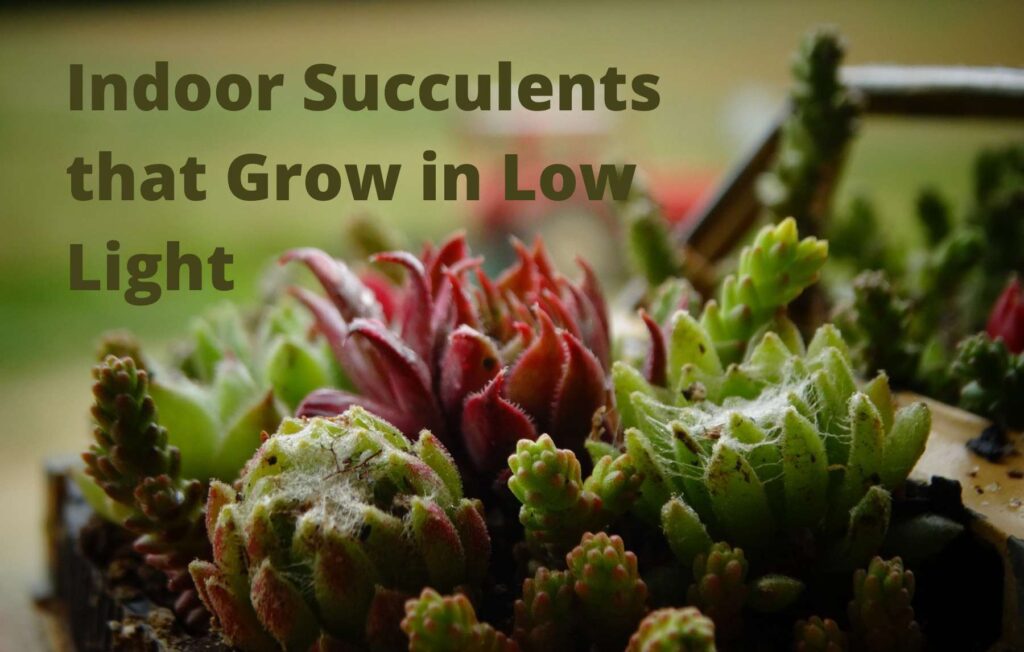
Low-light succulents are varieties that keep their shape and color in a bright room without direct sun.
Succulents are low in maintenance and grow well in dry soil. However, they need a lot of sunlight to survive.
Since they are native to desert and arid regions, most of them do not grow well indoors or in the shady outdoor space of your yard. The good news is that there are low-light succulents, and we’re going to suggest to you some Best Indoor Succulents that can easily grow in Low Light and can tolerate shade, and grow well in the lack of sunshine. We call them below:
What is Low Light?
Low light is bright indirect light away from a window’s direct sun – not “no light” – with morning sun exposure if the spot allows.
>1. Aloe Vera
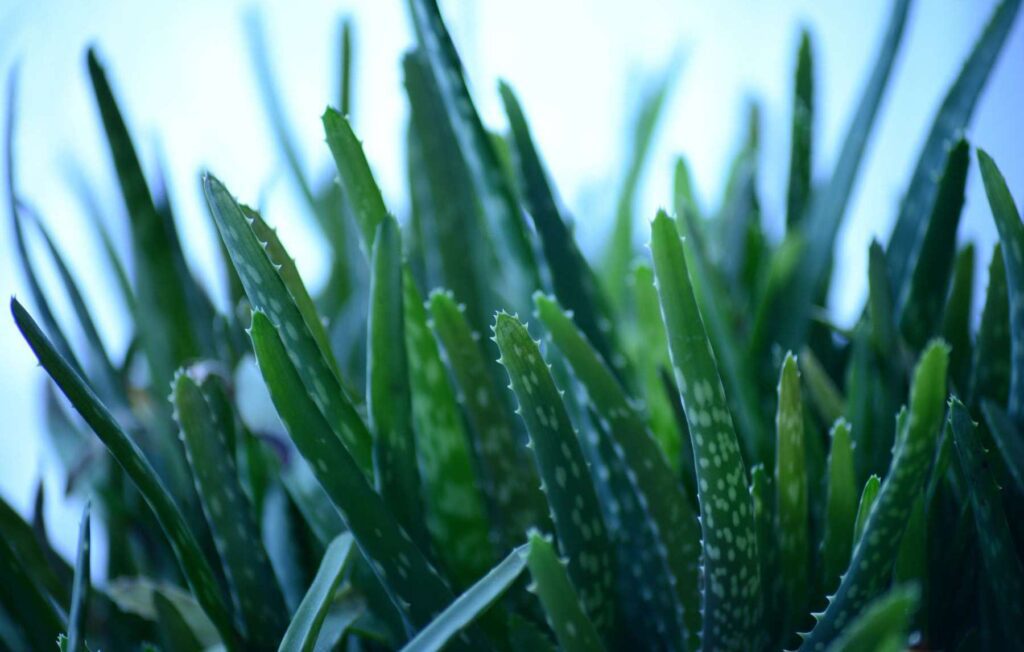
Name of the botanical: Aloe barbadensis
Aloe vera is one of the most common species in the aloe genus. It can live in low light settings and does not mind low humidity as it likes dry air. It’s one of the best medicinal plants, too.
Growing hints:
- Water infrequently, holding the soil on a dryer hand.
- Place the plant on the south or west-facing window, if possible.
- However, it is important to have access to all day long, bright indirect light.
2. Lace Aloe
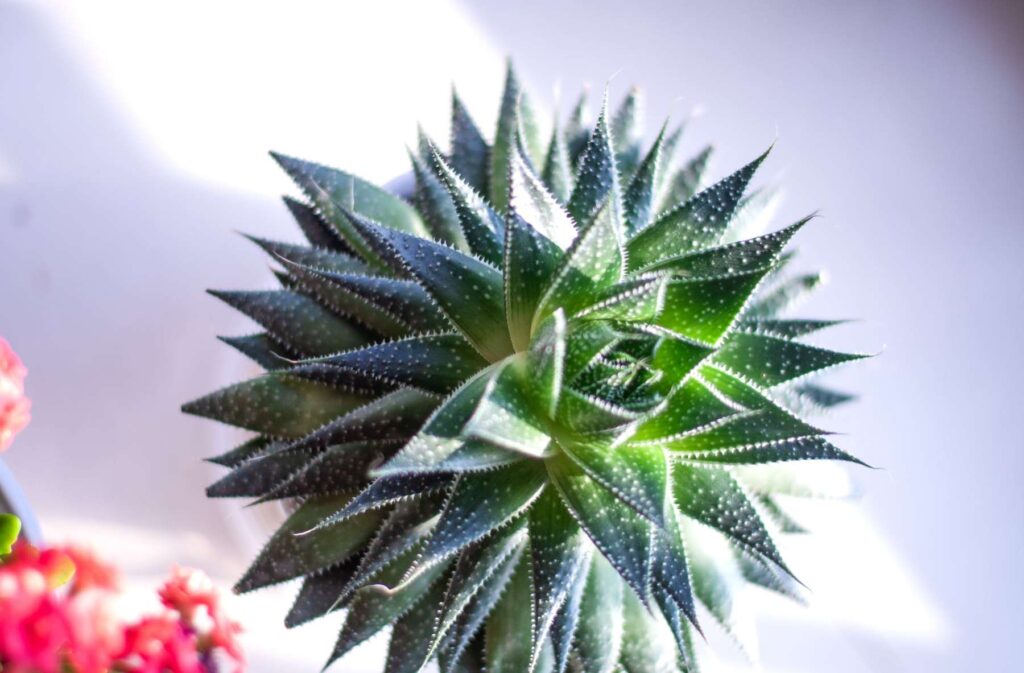
Botanical Name: Aloe aristate
This rosette-shaped aloe is small in size with white markings on the leaves. Lace aloe is an appropriate alternative for low light conditions as it likes to grow in filtered light. This is one of our favourite best indoor succulents that can grow in low light.
Growing hints:
- Water only when the topsoil is dry.
- Provide filtered sunlight, avoid direct sunlight.
- You can grow it in a small to medium-sized plant.
3. Tiger Aloe
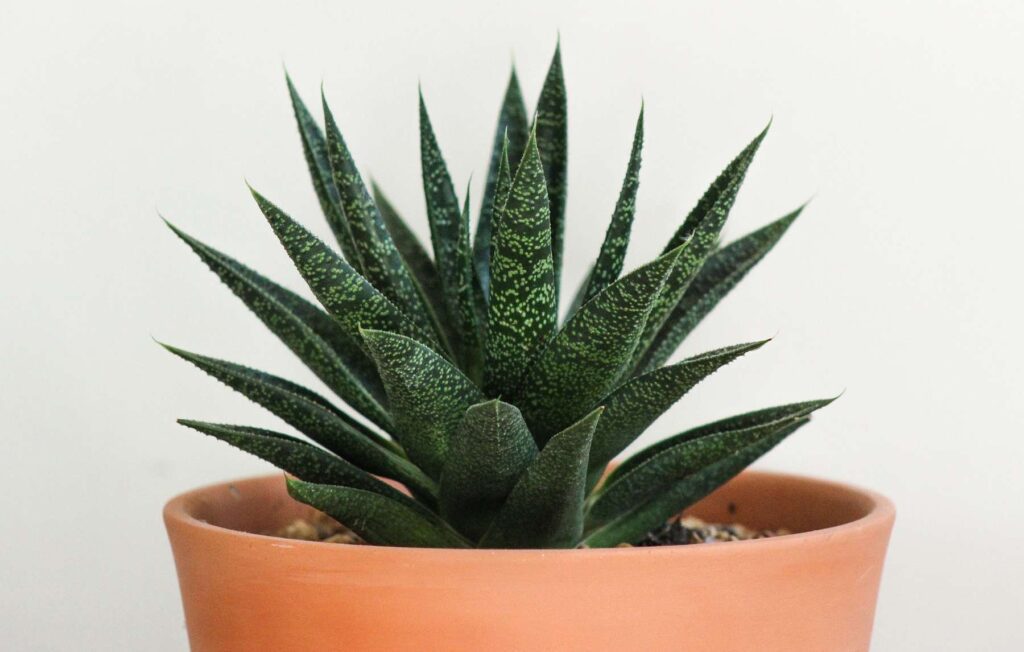
Name of the botanical: Gonialoe variegata
This dwarf (6-12 inches tall) aloe looks fantastic on the tabletop and in the succulent arrangement. It loves to grow in partial shade, but it lives in full shade, *but it can hinder growth.
Growing hints:
- Water deep, but only when the substrate is dry.
- You can grow it under growing lights, too.
- It can tolerate low temperatures, but not less than 55 F (12 C).
4. Snake Plant
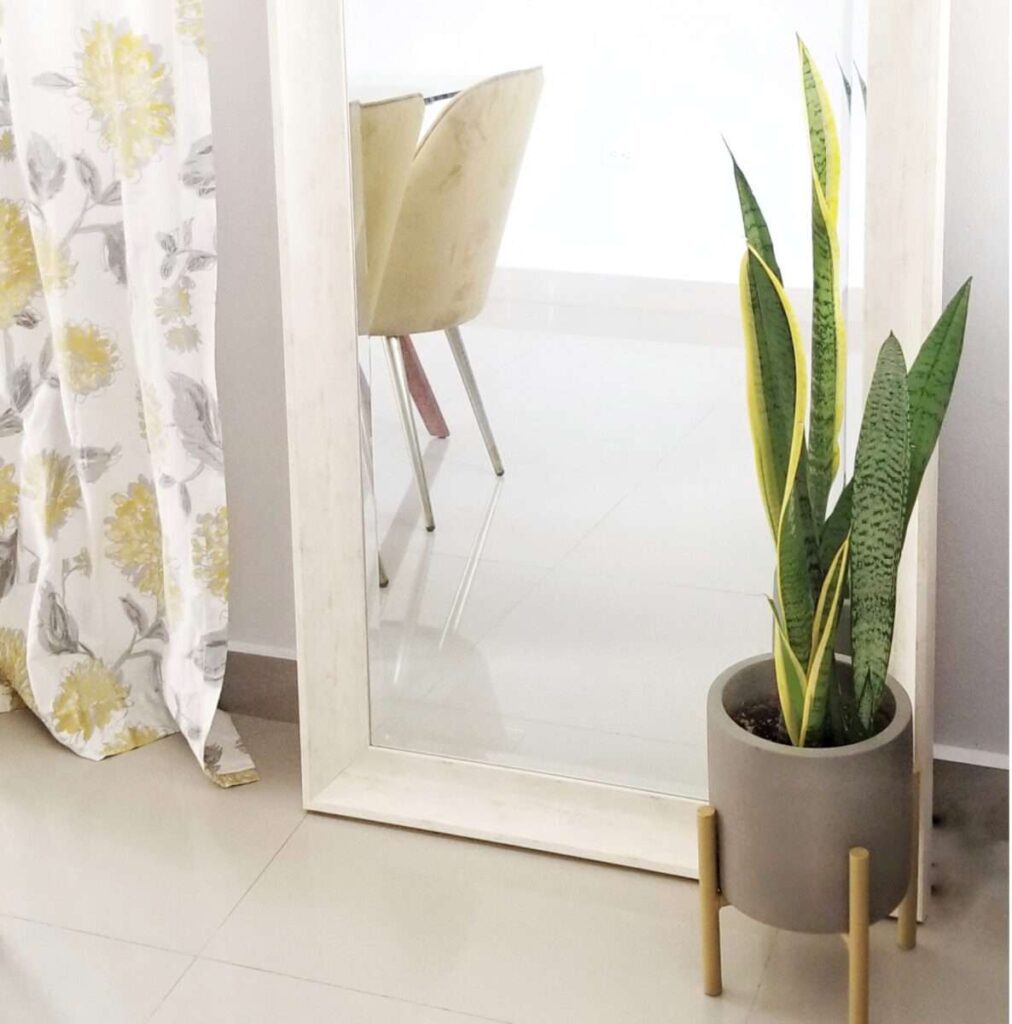
The snake plant is the most shade-tolerant succulent on this list.
Botanical name: Dracaena trifasciata, formerly Sansevieria trifasciata.
When it comes to low-light succulents, the snake plant or “Mother-in-Law Tongue” tolerates full shade where most of the other 26 succulents here would stretch. We have added it to our list of plants that grow without direct sunlight!
Growing Tips:
- Reduce watering throughout the winter.
- This plant can grow in direct sunlight and shadow.
- Feed the liquid fertilizer plant once a month in the growing season.
5. Zebra Plant
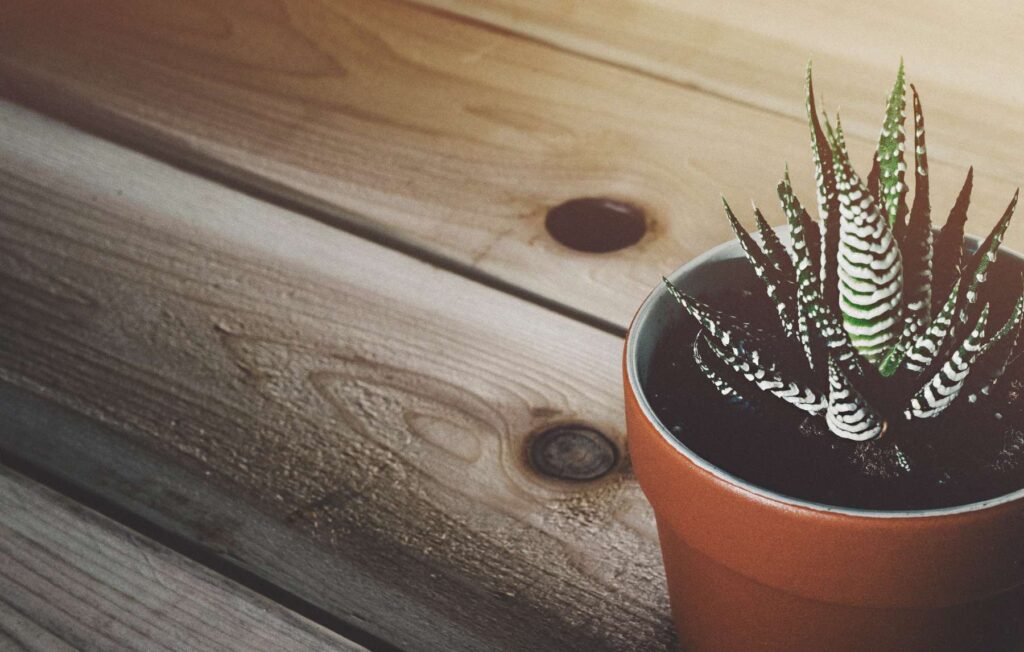
Botanic name: Haworthia fasciata
The fleshy leaves of the Zebra plant are patterned in horizontal white streaks, giving it a zebra-like look. It can only grow up to 6 inches long. The short stature makes it one of the best office desk facilities.
Growing hints:
- It can do well in low sunlight.
- It likes a humid climate, so try to increase the humidity.
- Cannot withstand temperatures below 30 F (-1 C).
6. Jade Plant
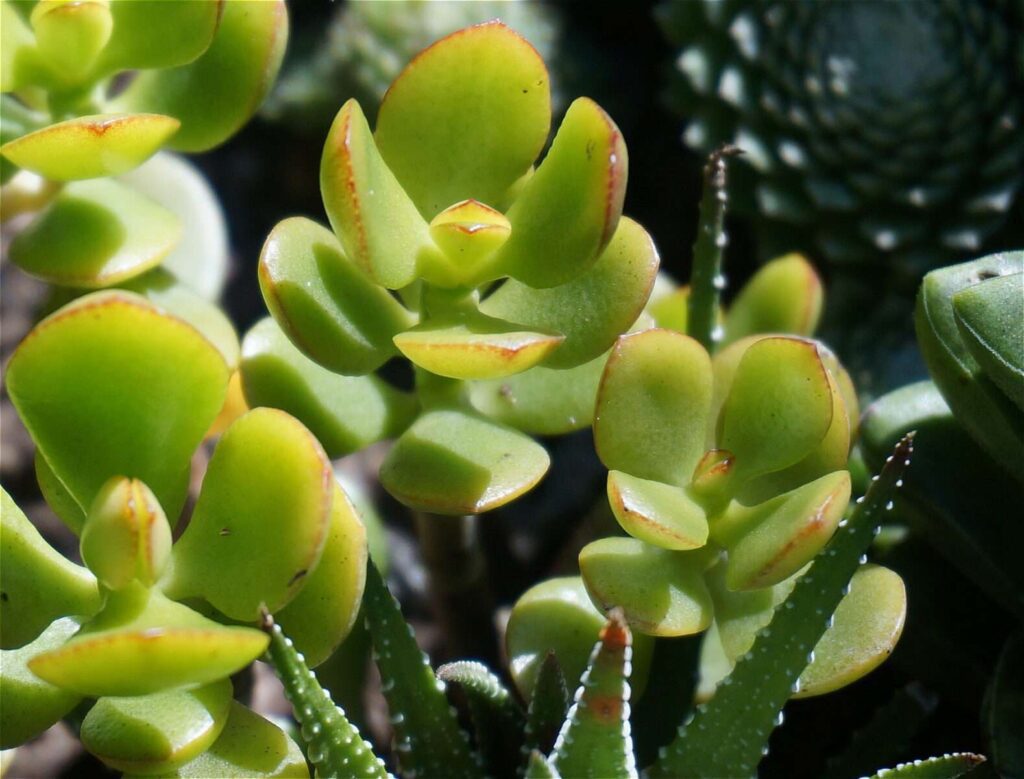
Botanical Name: Ovata Crassula
The Jade plant is also known as a plant of good luck. It symbolizes wealth and prosperity, according to Feng Shui. Although a jade plant can withstand low light and grow indoors, it does not flower in the absence of sunlight. This is one of the best indoor succulents that can grow in low light.
Growing hints:
It prefers full or partial sunshine. But you can grow it in a shady place, too.
Plant in well-drained, succulent soil.
A jade plant can be well handled in dry air, making it a good house plant.
7. Bear Paws
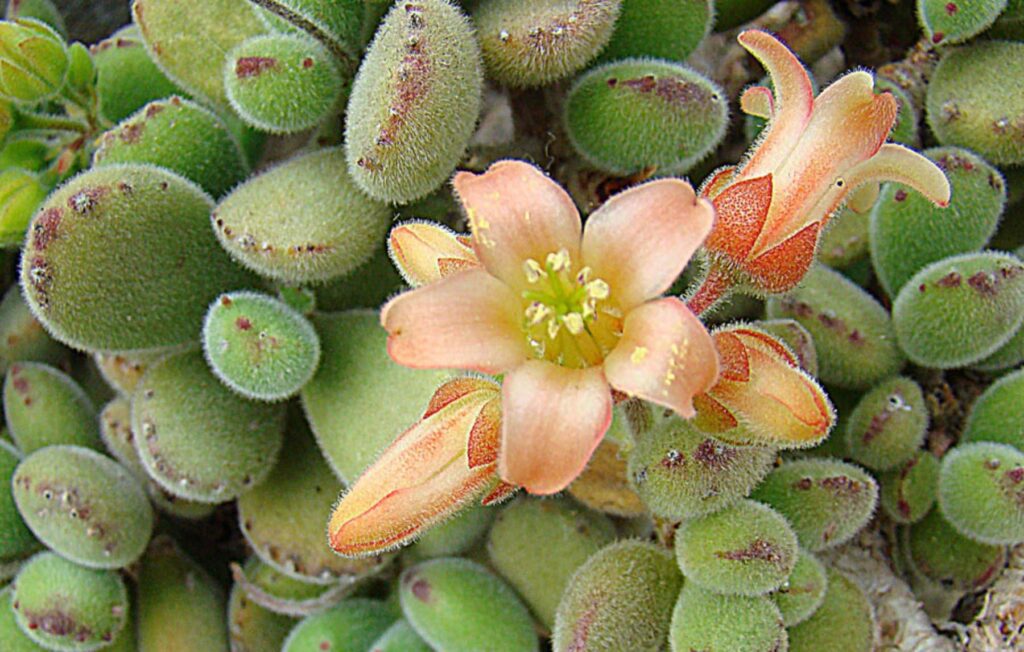
Botanic name: Cotyledon tomentosa
Bear paws as the name sounds look very similar to the adorable paws of a little bear. If this isn’t enough, it also bears orange-red bell-shaped flowers during the active growing season. You can grow it in pots where it can be up to a foot long.
Growing of tips:
- Ignore deep shades and try to position the plant in a part of the sun or at a spot that receives at least bright indirect sunlight.
- If it is kept dry, it can survive better in the winters, too.
- The well-drained granular mixture is a very fine potting medium for cotyledon.
8. Fox Tail Agave
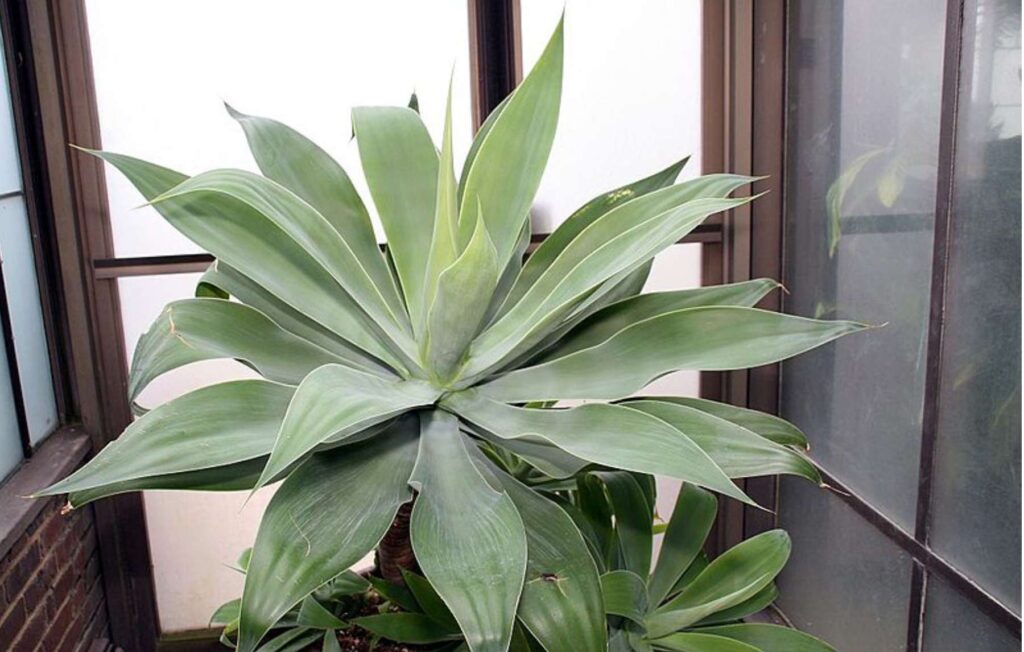
Botanical name: agave attenuate
This agave is also known as Lion’s Tail or the Swan’s Neck because of its rare inflorescences, or you might say blooms.
Growing Tip:
- Develop in a warm, well-lit place, avoid dark shades.
- Water thoroughly when the top floor is dry.
- This plant can be handled both underwatering and overwatering.
9. Woodland Stonecrop
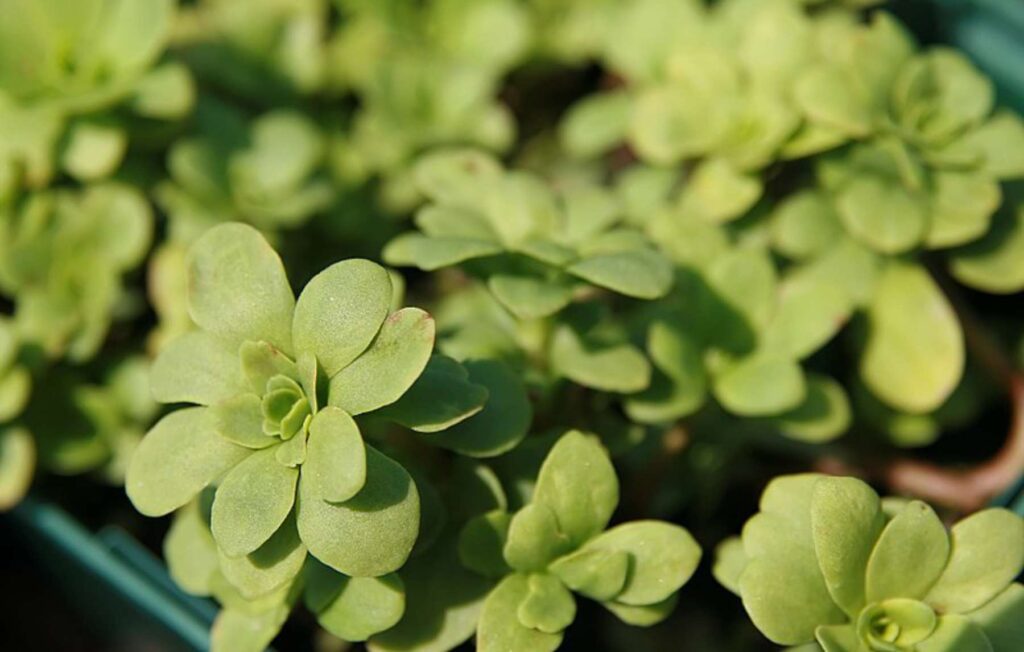
Botanical Name: Sedum Ternatum
One of the most shade-tolerant sedums, and it is also drought-tolerant. When fully grown, the stonecrop can be handled in sandy, rocky soil without fertilizer.
Growing hints:
- While it may grow in the shadow, it just doesn’t care about full sunlight.
- Water periodically in the growth process but wait until the growing medium is dry enough to prevent overwatering.
- Make sure your pot has enough drainage holes to avoid waterlogging.
10. Donkey’s Tail
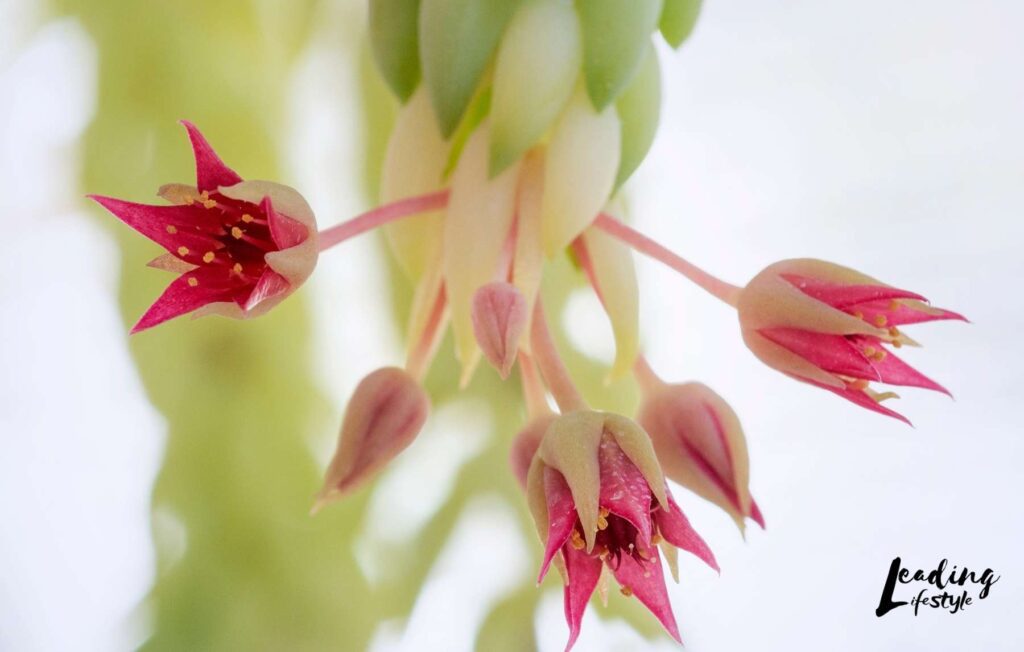
Botanic name: Sedum morganianum.
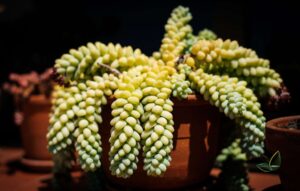
Often known as Burro’s Tail—one It’s of the best low light succulents for hanging baskets. Its two-foot-long, fat stems covered in gray-green leaves look pretty attractive.
Growing hints:
- Partial sunlight is best for the burro’s tail, but it can blossom in a bright shade.
- Use the soil that is produced, particularly for cacti and succulents.
- It would be best not to move this plant from one location to another due to its delicate texture.
11. Flaming Katy
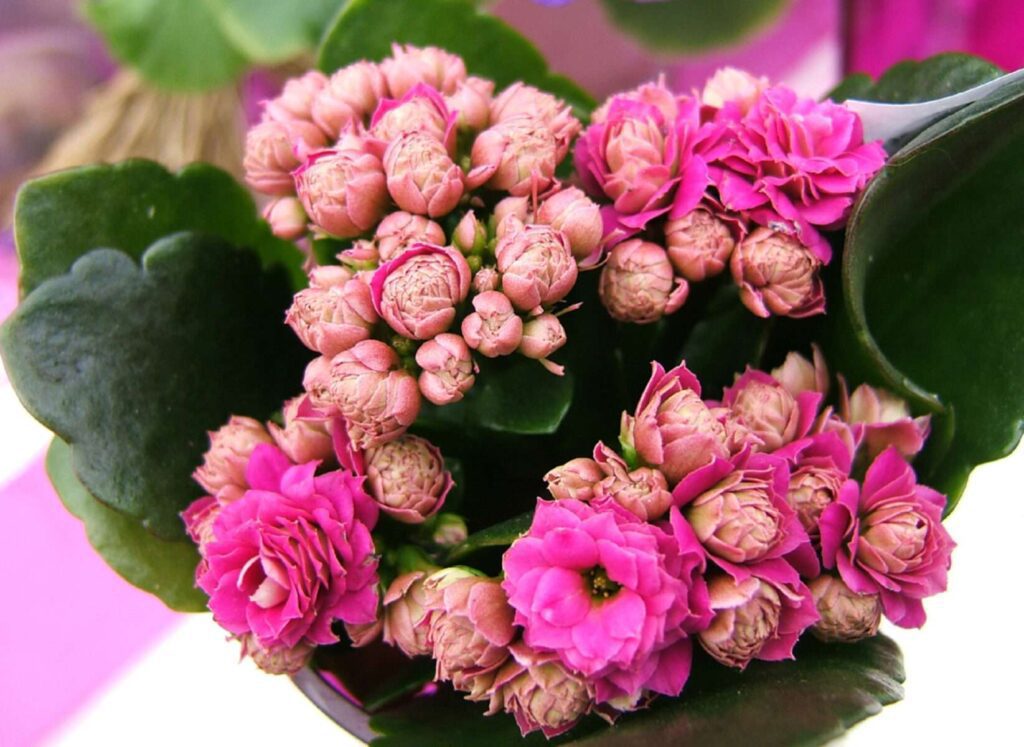
Botanical Name: Kalanchoe Blossfeldian
This is our favorite flowering succulent. Even though it can grow in shade, it needs sunlight to bloom prolifically.
Growing hints:
- If you want this succulent flower, keep it in a sunny place.
- It prefers a warm climate.
- It’s best to flower in a root-bound state.
12. Wax Plant
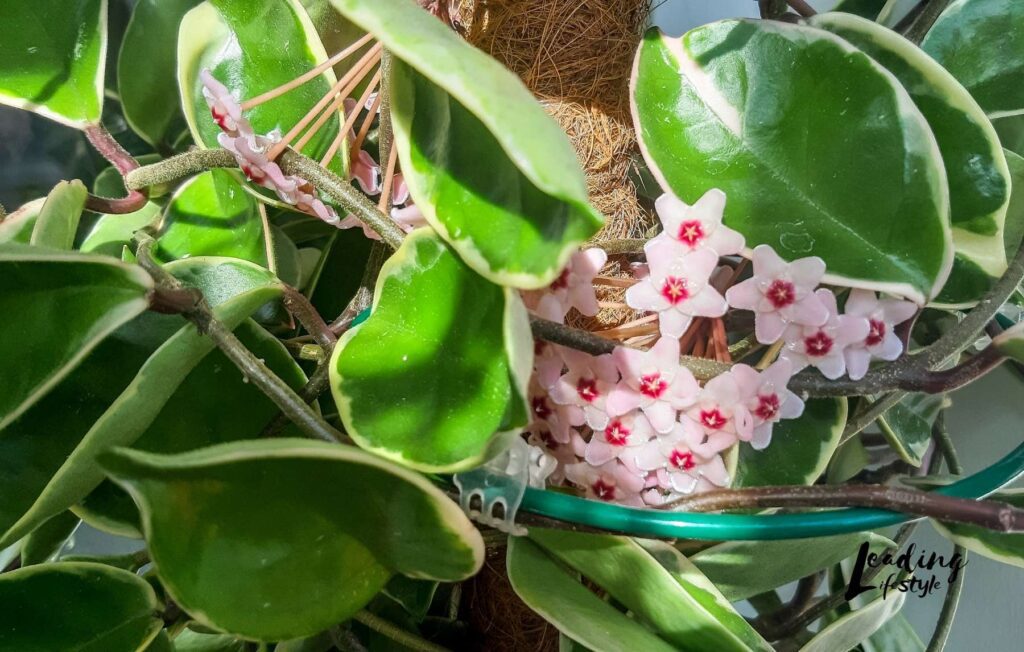
Botanical Name: Hoya
Hoya has many popular houseplant varieties, such as Hoya carnosa and Hoya kerrii, that are attractive and showy and ideal for homes and offices. These succulent vines grow well in the sunlight and produce fragrant flowers.
Growing hints:
- Develop in indirect sunlight or semi-shade
- This plant prefers moisture.
- Since it is a tropical plant, hold the temperature above 50 F (10 C).
13. Aeonium Kiwi
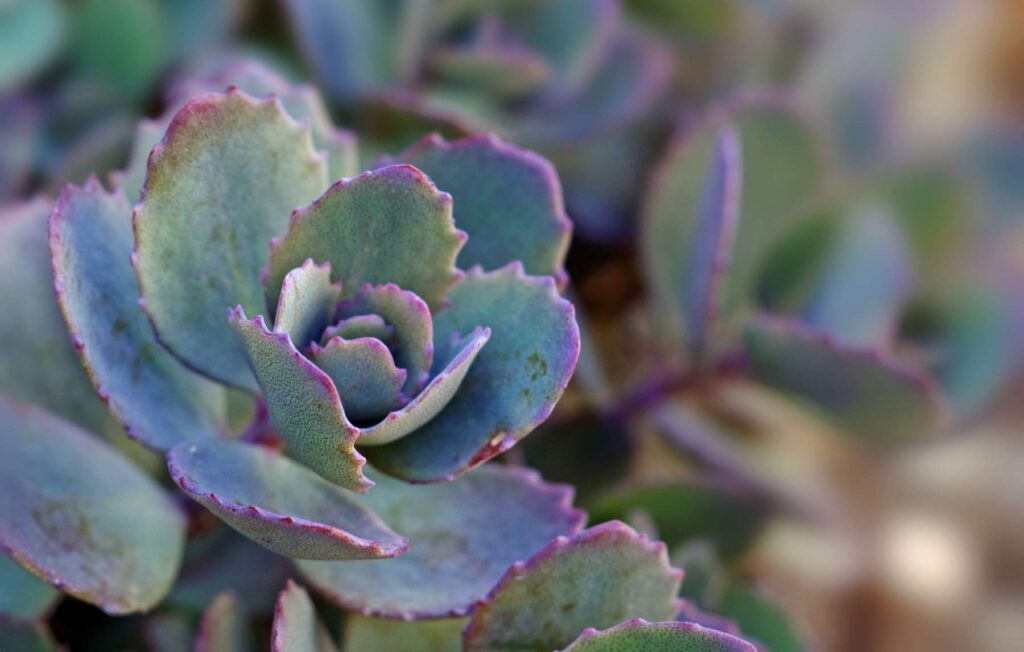
Botanical Name: Kiwi Aeonium
This drought-tolerant plant can do very well in low shady spots in a warm environment. It has fat spoon-like, puffy leaves in a rosette pattern. The leaves are yellow and green and the edges are red. It flowers only once in a lifetime as a monocarpic herb.
Growing hints:
- While it can grow in full shade in warm climates, it has a partial shade in the cold climate.
- Water only if the soil is dry.
14. Ponytail palm
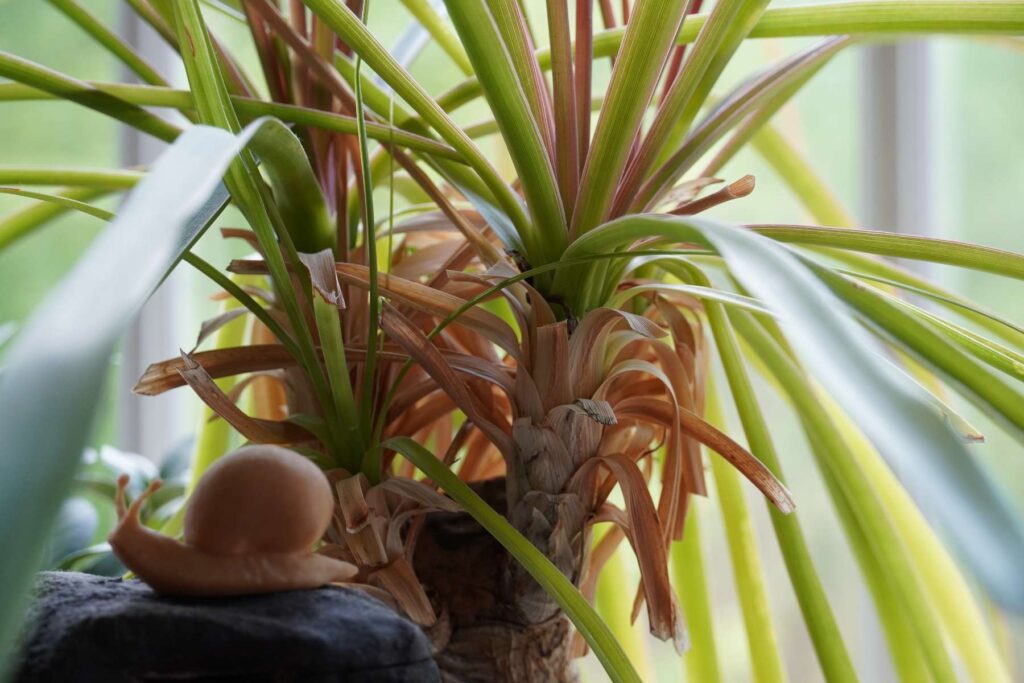
Botanical Name: Beaucarnea recurvata
Ponytail palm is also known as the ‘Elephant Foot Palm’ because its trunk resembles the foot of elephants in which it stores water. It’s one of the most beautiful indoor plants you can grow in. We’ve even added it to our list of Tall House Plants.
Growing Tip:
- It could grow well in the full sun or part of it. It doesn’t like living in the shade, either. However, the position with bright indirect light is needed.
- It grows slowly, which means that you won’t have to report it soon.
- Avoid repeated and heavy fertilization and feed the plant with a balanced liquid fertilizer 2-3 times during the growing season.
15. Devil’s Backbone
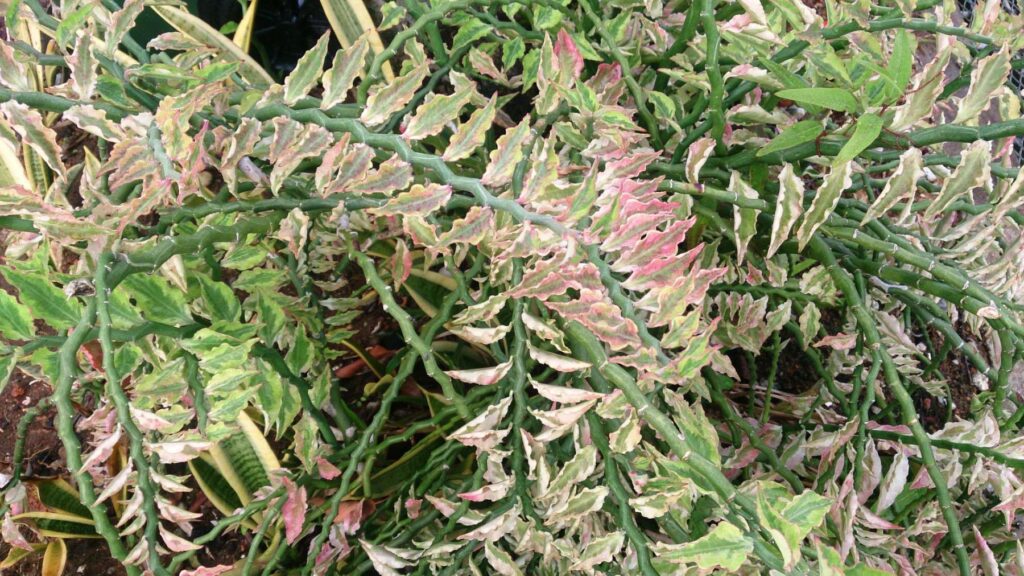
Botanical Name: Tithymaloid Euphorbia
It also has the name Buckthorn, Zigzag plant, Jew’s slipper, Slipper plant, Redbird cactus, Redbird tree, Christmas candle, and Red Slipper. You can go up to 8 feet tall when you’re growing outdoors. You can prune it indoors, as per requirement.
Growing Tip:
- You can grow it in full shade, find a spot that gets bright indirect sunshine.
- Keep the plant spinning every once in a while.
- It prefers dry soil, but it forgives overwatering errors.
Caveat: Like other Euphorbias, it is poisonous to the sap, treat with caution.
16. Crown of Thorns
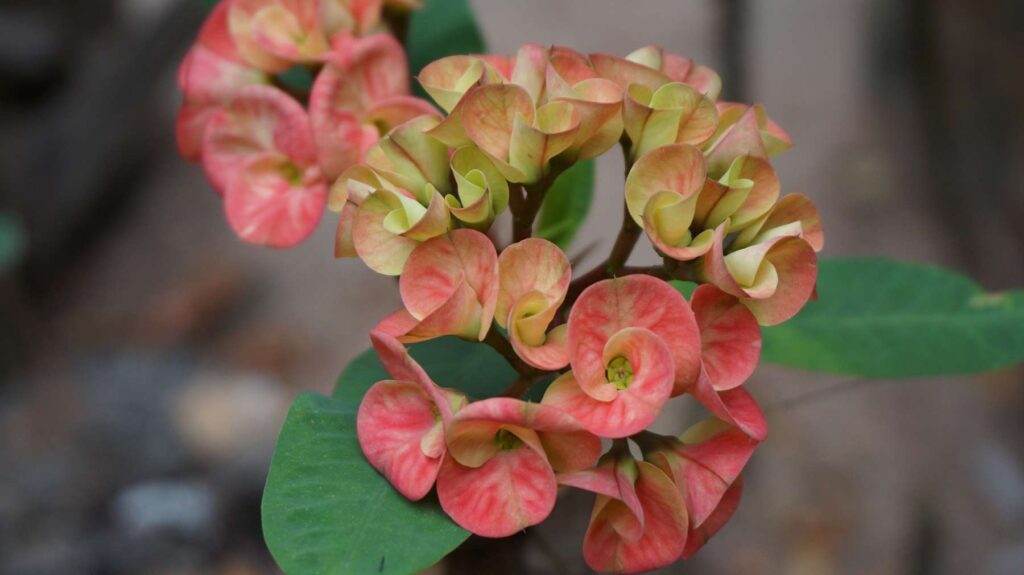
Botanic name: Euphorbia Milii
Crown of Thorns is one of the best shade-tolerant succulents in the world. But the plant doesn’t bloom in the shade. It is important to bear in mind that all parts of Euphorbia are toxic.
Growing hints:
- You can grow it in the shade, but in order to blossom, it needs access to the complete or partial position of the sun.
- It is a low maintenance plant and does not require regular watering.
17. Panda Plant
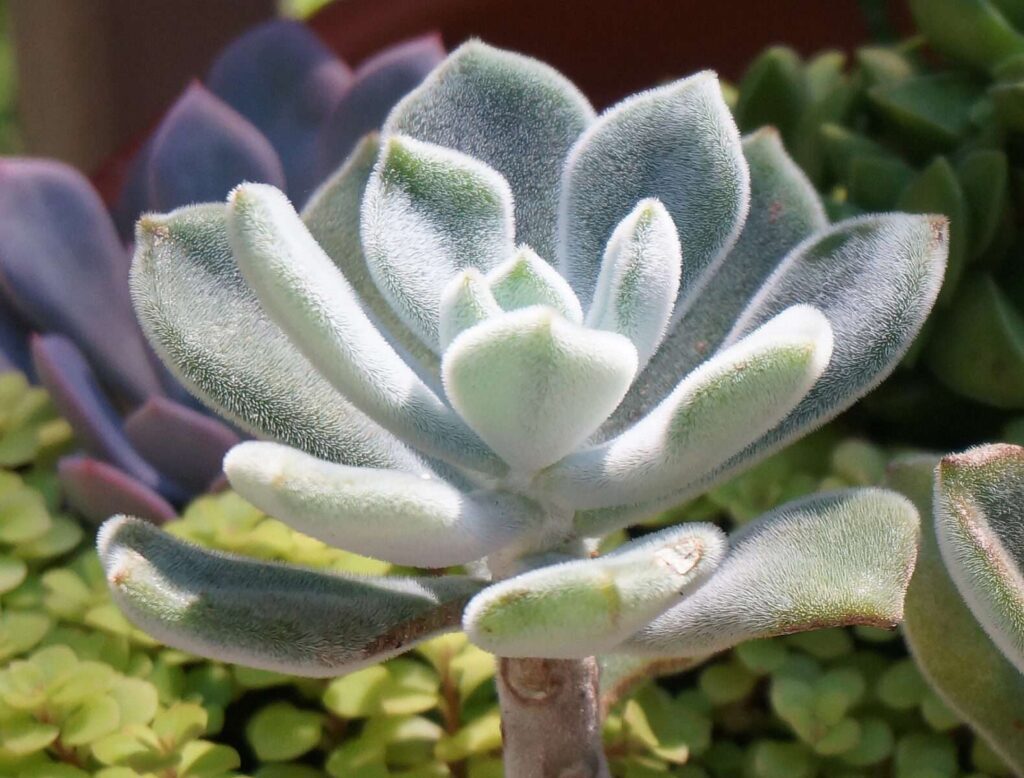
Botanical Name: Kalanchoe tomentosa
Due to its velvety, soft-textured foliage, which resembles its shape, Panda Plant is also known as Pussy’s Ear. This mini houseplant is great for a kid’s room, check out this list for more of these plants.
Growing hints:
- Develop in partial shade or indirect light.
- Stop getting overwatering.
- Feed with a balanced liquid fertilizer every 4-6 weeks in the growing season.
18. ZZ Plant
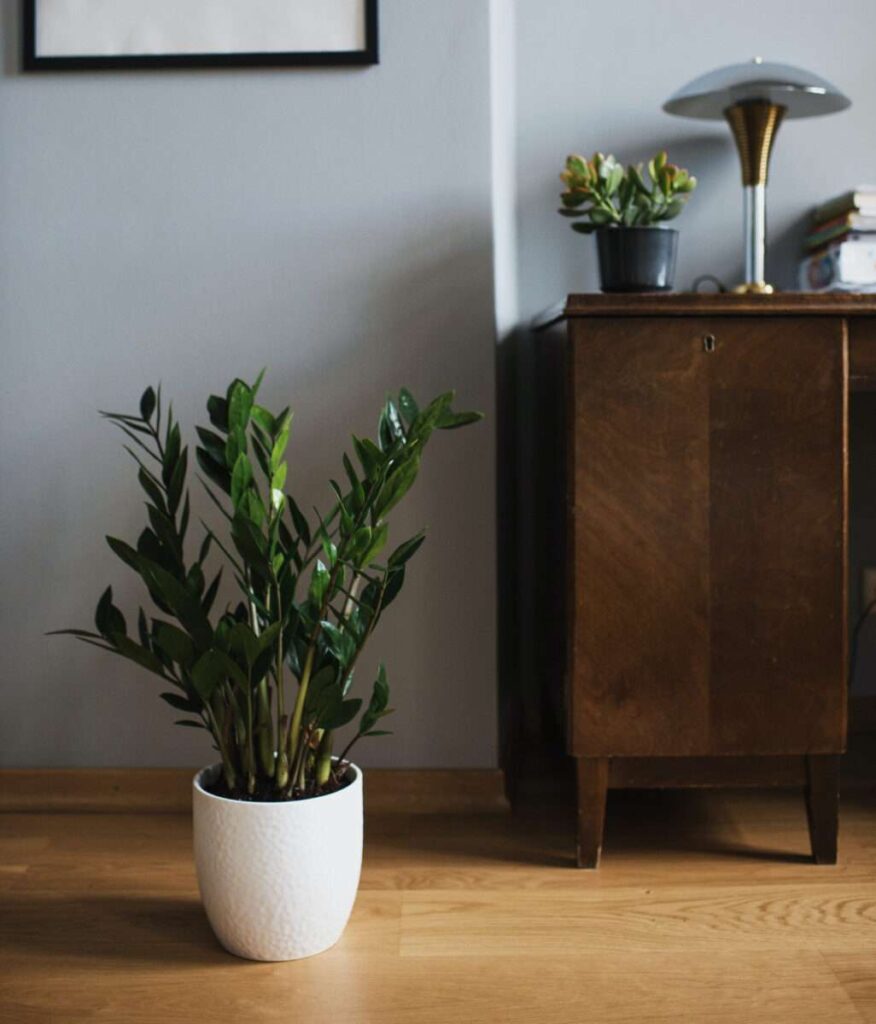
Botanical Name: Zamiioculcus Zamiifolia (Zanzibar Gem)
ZZ is ideal for dim places where direct sunlight doesn’t penetrate. It needs proper warm surroundings to grow, except that it’s pretty rough—dry-tolerant and low-care.
Hints:
- Water when the soil appears to be dry.
- Place the plant in indirect light, the best place to obtain morning sunlight.
19. Gasteria
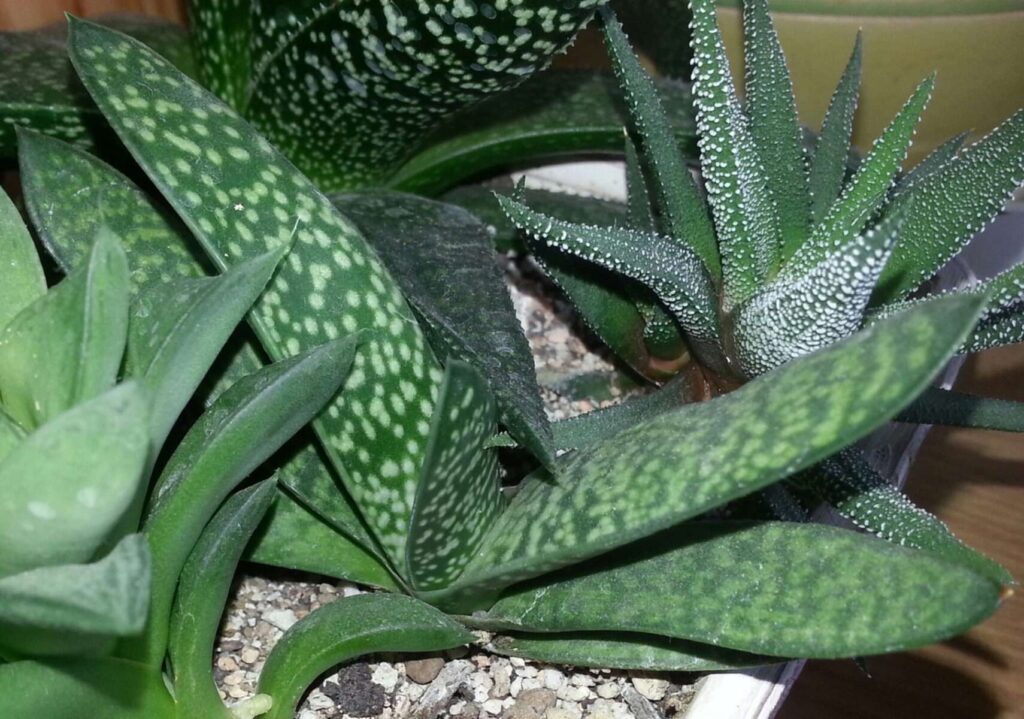
The Gasteria plant looks very similar to the aloe plant. It’s short and plumper, though. The leaves are green with white spots on them. It’s a perfect alternative when you’re looking for the best low-light succulents. Gasteria grows slowly and stays small.
Growing hints:
- Place next to a bright, sunny window, but avoid direct sunlight.
- Water infrequently and keep the soil on a dryer hand.
- In the spring, fertilize.
20. String of Pearls
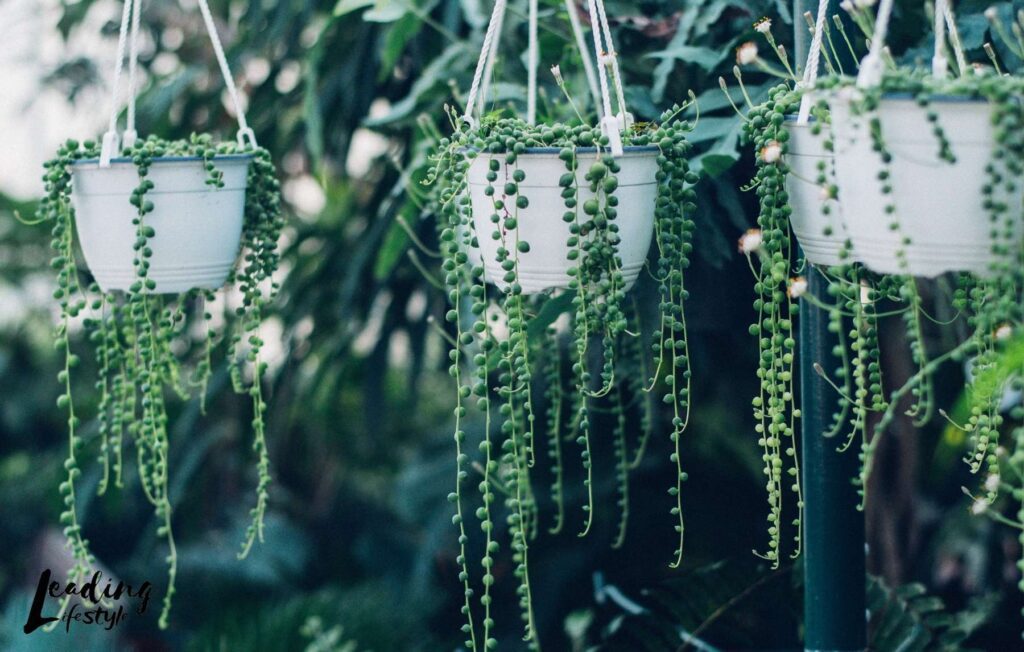
Botanical Name: Curio rowleyanus
Strings of Pearls is a lovely trailing succulent. Its leaves are developing in the form of tiny pearls that give them an enticing look. This plant can be used as a piece of home decoration; you can grow it in hanging baskets.
Growing hints:
- Stop getting overwatering.
- Using a succulent mixture when growing in containers.
- The filtered sunlight is going to fit well.
21. Mother of Millions
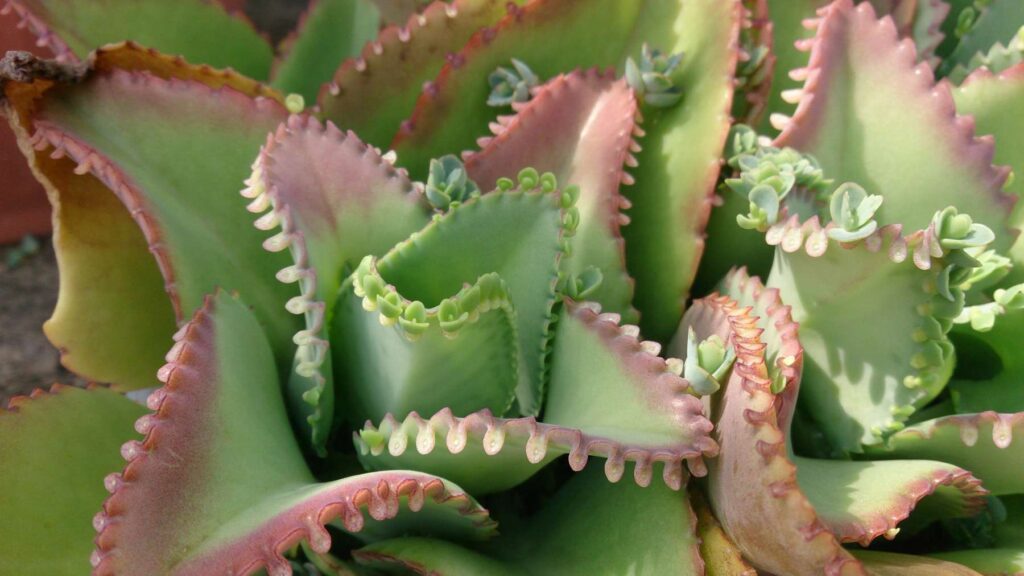
Botanical Name: Calanchoe daigremontiana
Mother of Millions, also known as Mother of Thousands, is a stunning, succulent home plant of the Kalanchoe genus, but some people consider it an outdoor weed. It’s a resilient plant that can withstand low light and neglect.
Growing hints:
- You can make it grow in the shade.
- It does not need regular fertilization and watering.
- Using standard succulent soil to plant the soil. You may also DIY it.
Caveat: This plant is poisonous, and if you have pets and children who are curious by nature, stop growing it or keep it out of their control.
22. Conophytum
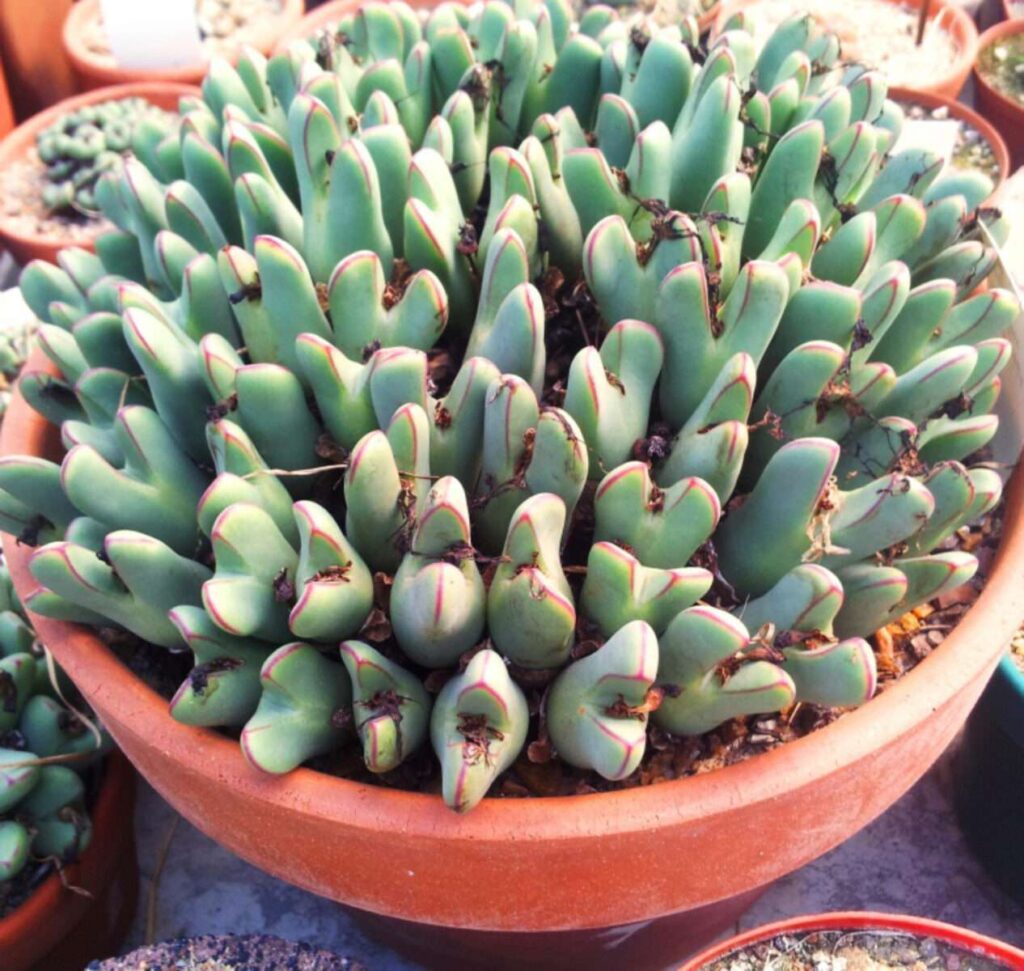
Botanical Name: Conophytus
It’s a group of a few common miniature succulent species that you can grow indoors as well. Some of the most common forms of Conophytum are C. Billobum, C. Calculus, C. Burgeri, guy. It’s also confused with Lithops, a separate genus.
Growing hints:
- It requires bright, indirect sunlight.
- It has low watering and fertilization needs.
- Cannot withstand cold temperatures.
23. Aptenia
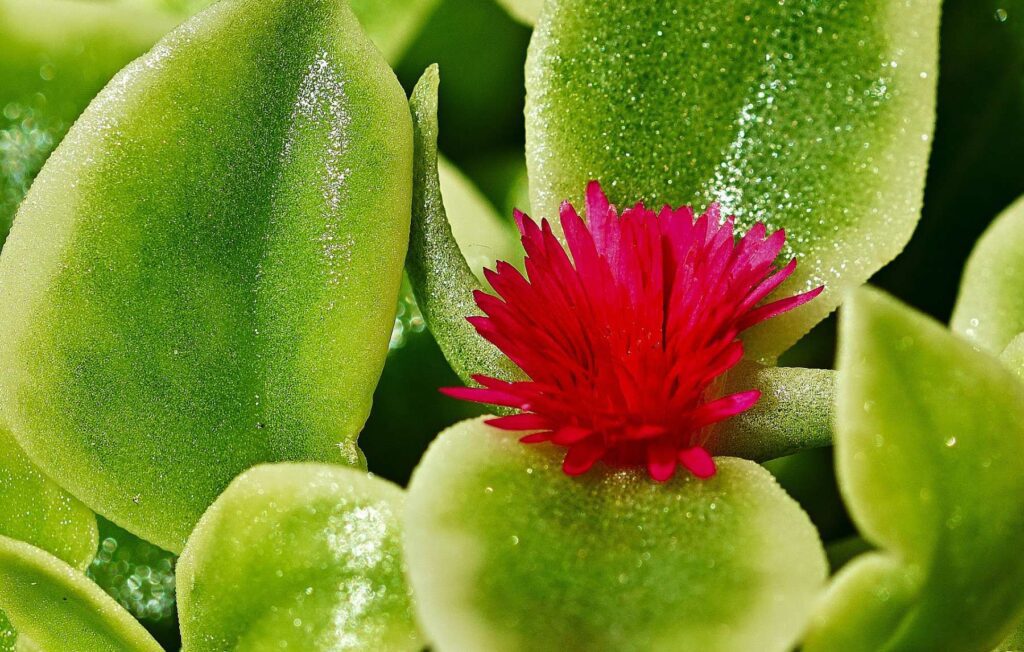
Name of the botanical: Aptenia
If you’re looking to grow a trailing low-light succulent—Aptenia cordifolia (popularly known as the baby sun rose) may be a choice. You will be greeted with red or magenta-purple flowers from spring to fall.
Growing hints:
- Although it grows best in full sun, it doesn’t mind full shade in the hot climate.
- Hold it in a position that receives morning sunshine, or at least a day-long indirect sunlight.
- Save from the cold drafts.
24. Spider Agave
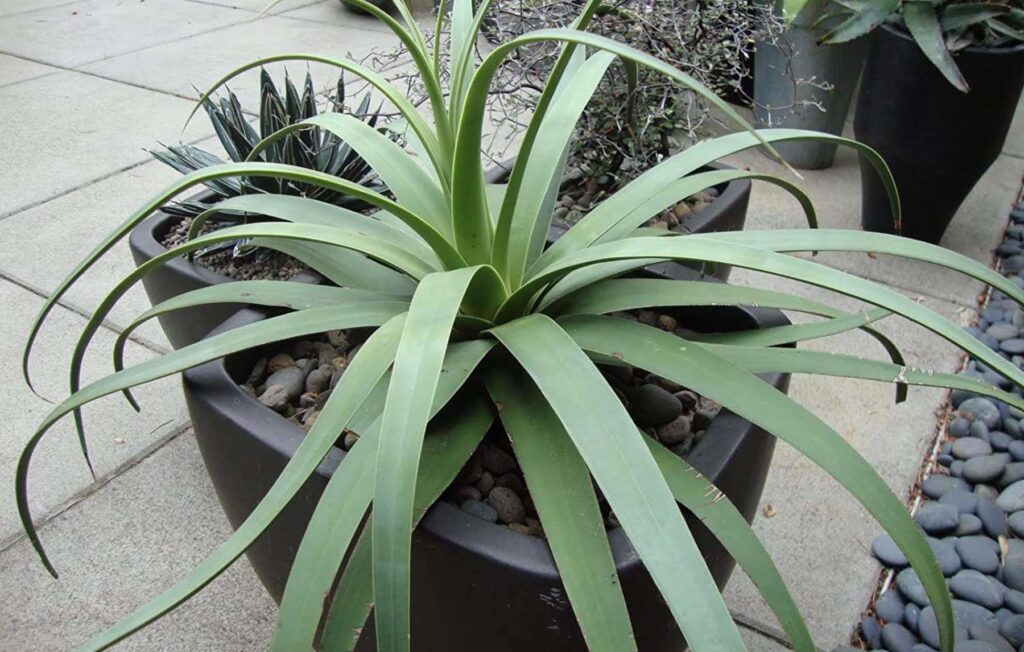
Botanical Name: Agave Bacteosa
Due to its compact size and spineless leaves, it can be easily grown in indoor containers. It’s ideal for a place that receives sunshine in the morning.
Growing hints:
- The east-facing window is all right for it.
- Using well-drained loam soil.
- It has a low demand for fertilizer.
25. Sedum spurium
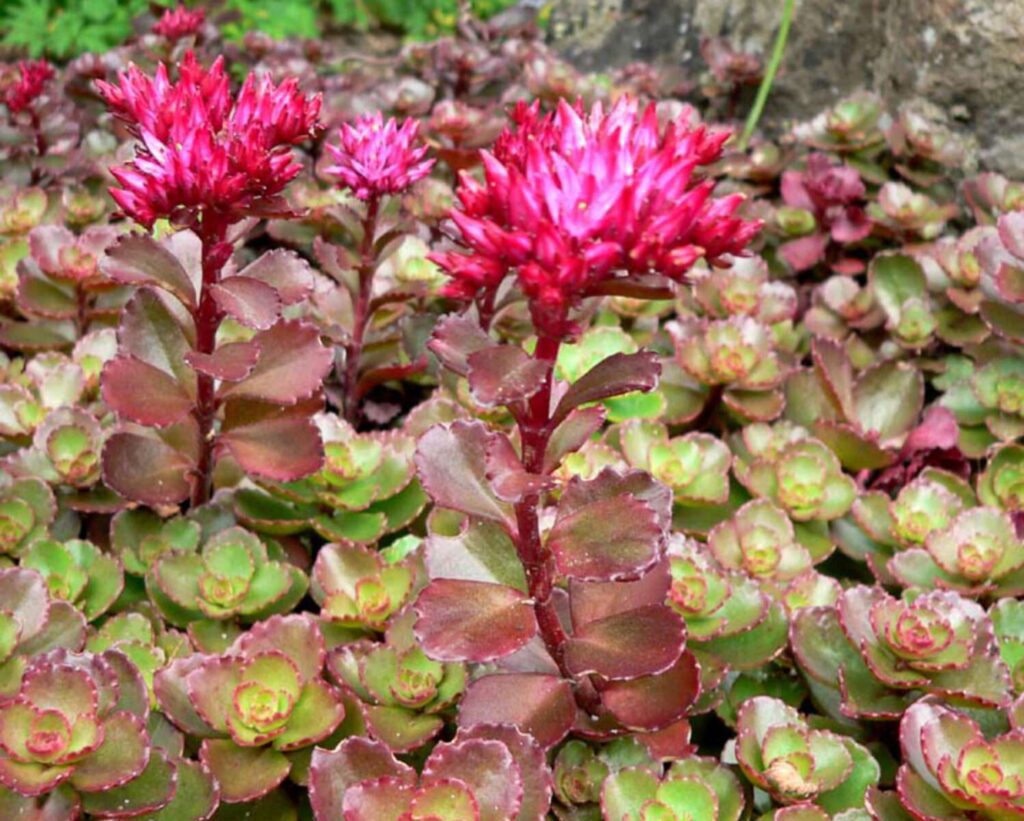
Botanical Name: Sedum spurium
Sedum spurium is also known as Dragon Blood, Schorbuser Blood, and Stonecrop. It looks best like an edging plant and a ground cover in the rock gardens. You can also cultivate it within pots because it’s a shade-tolerant succulent.
Growing hints:
- Sedum spurium is well managed in dry soil.
- This plant will grow in 2 hours of direct sunlight.
26. String of Bananas
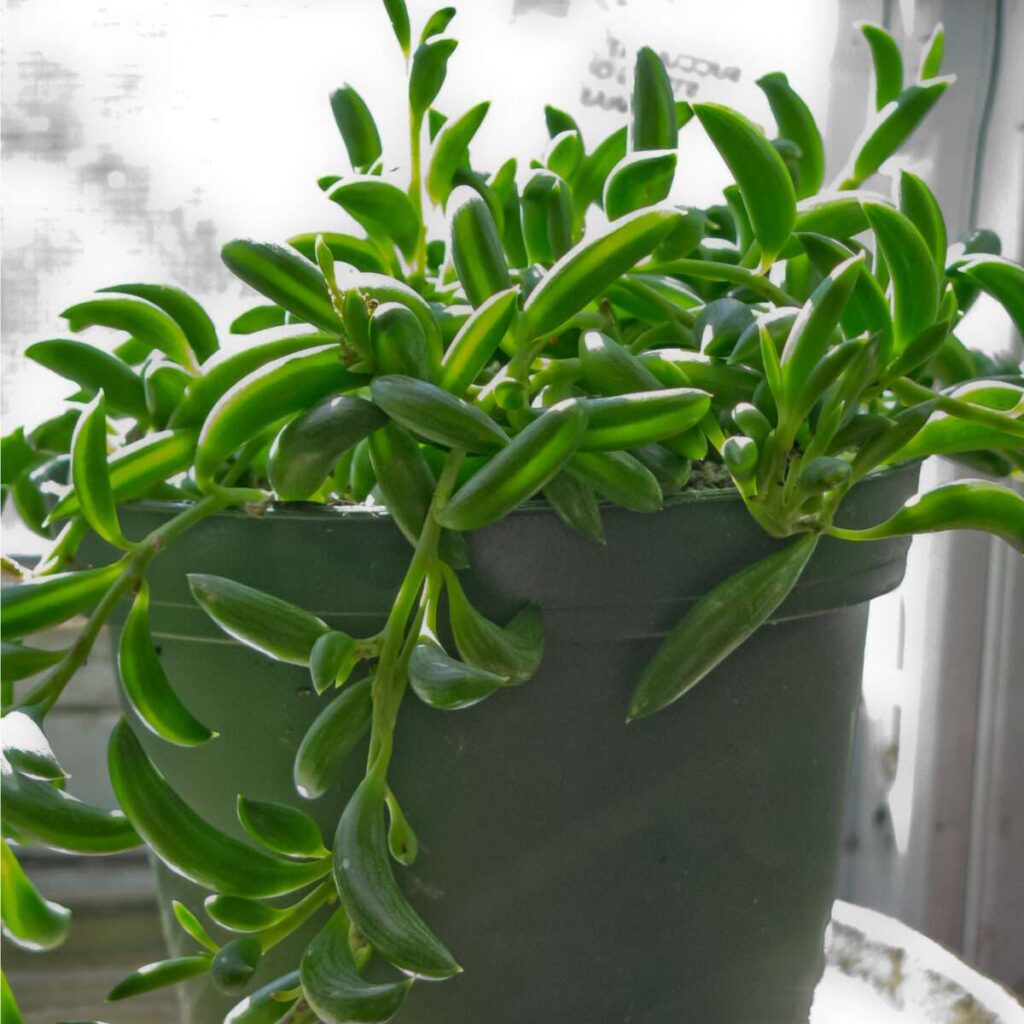
One of the best hanging succulents, the chain of bananas, is super easy to grow and is known for its thin, plump, banana-shaped leaves that grow from long trailing stems.
Growing of tips:
- Plant this succulent tree in hanging baskets and containers.
- Avoid a sunny place.
- The usual room temperature is optimal for growth.
27. Lifesaver Cactus
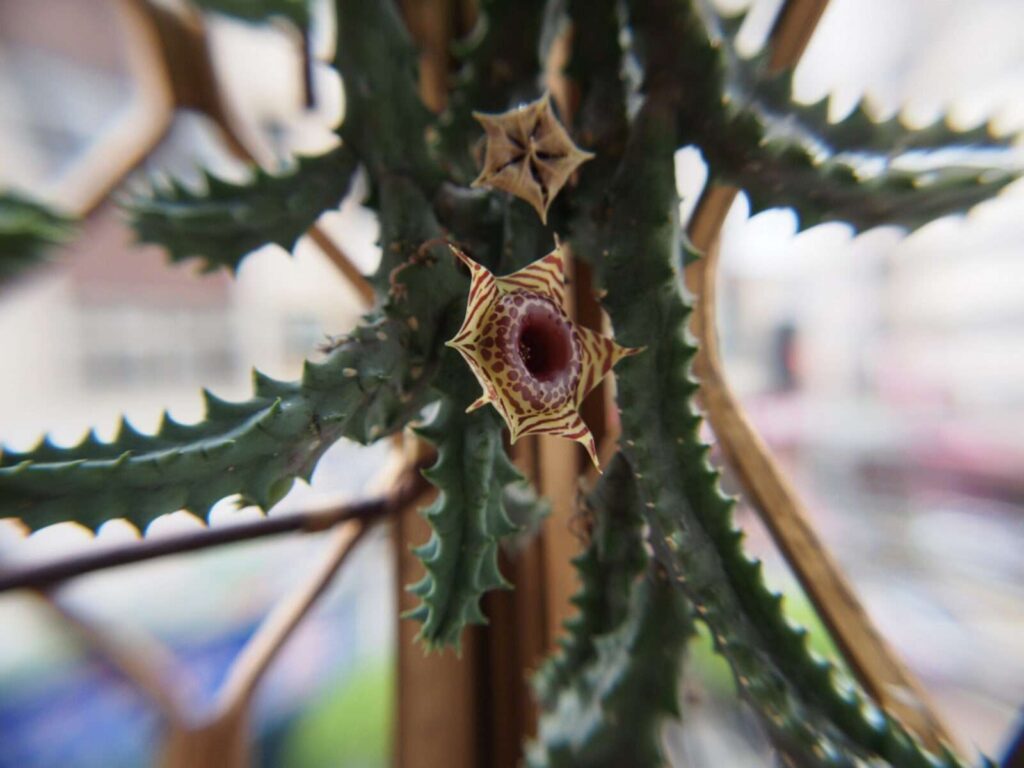
Botanical name: zebrina huernia
Lifesaver Cactus is not a member of the cactus family—it’s succulent. It grows deep green in low light and a little reddish in full sun. It’s known for its stunning, unique flowers.
Growing of tips:
- Using the cactus mixture to plant it.
- Place the plant in bright, indirect light or part of the sun.
- The east-facing window should be OK
Succulents need different soils from other plants to really grow.
Various variables determine the best soil for dry, beautiful Succulents indoors or outdoors. Using the wrong soil type, you’ll find yourself solving problems with care endlessly.
You can inquire here for more information on the best indoor succulents in low light.