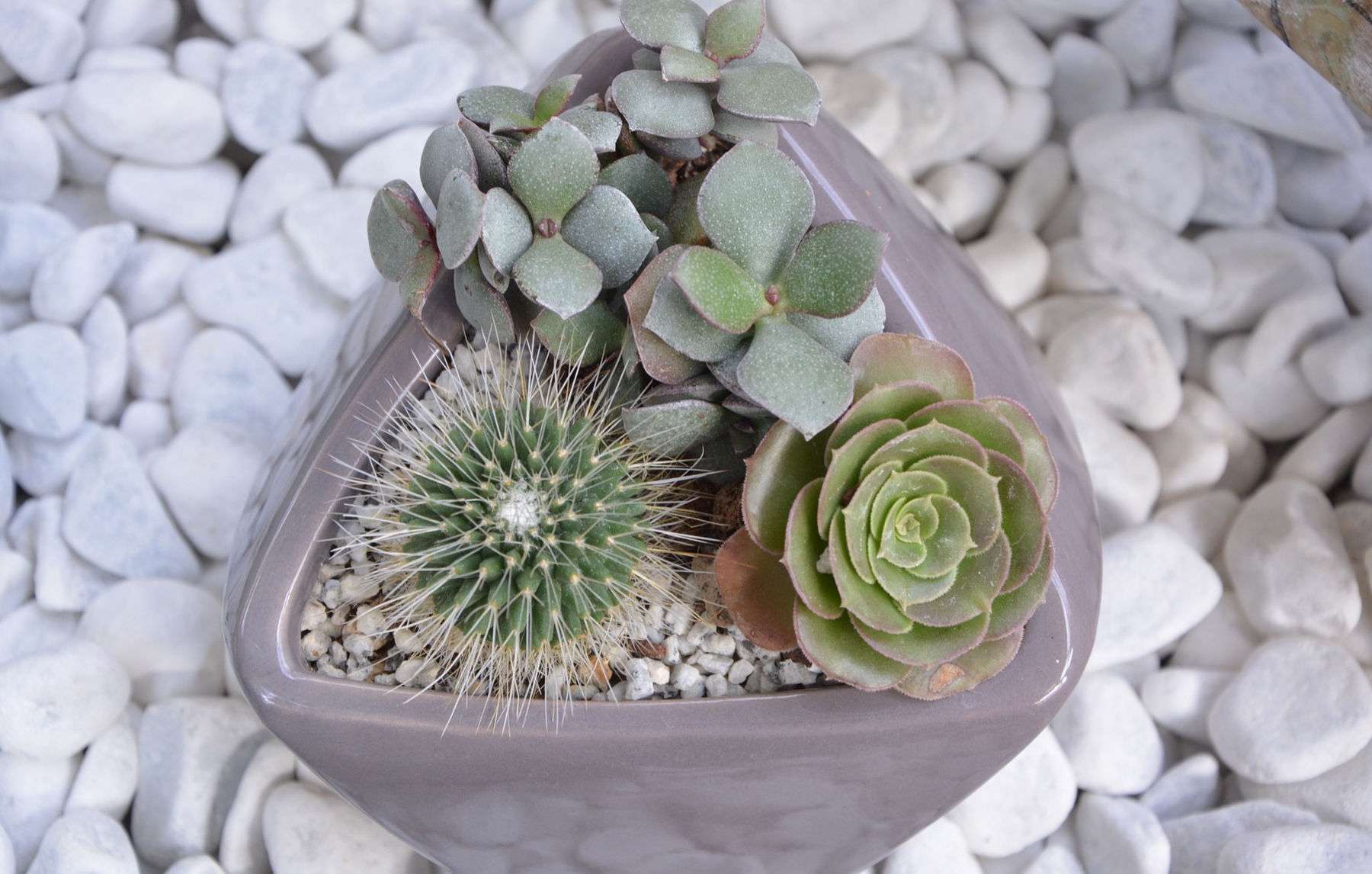
If you go to the local garden center, you can see hundreds of options. You probably already have some favorites, but which succulents grow best together?
If you’re interested in what succulents can be planted together or the best succulents to pair together, you’re not alone. People have been interested in growing plants together for centuries, and some cultures even believe that certain plants share a bond similar to that of people.
A question that has been asked quite frequently.
Oh! Hey! I’ve recently taken up succulent gardening as a pastime that I intend to pursue. For the time being, I’m extremely interested in finding out which succulents go well together.
Is there a rule about which plants go together, or can you just pick whatever plants you happen to like?
One of the most low-maintenance houseplants are succulents. Before you start your collection, you’ll want to know which succulents go well with each other. With this information, you’ll be better able to take care of your plants.
Keeping in mind the many criteria that must be met when deciding on a companion for your succulents, these combinations are ideal:
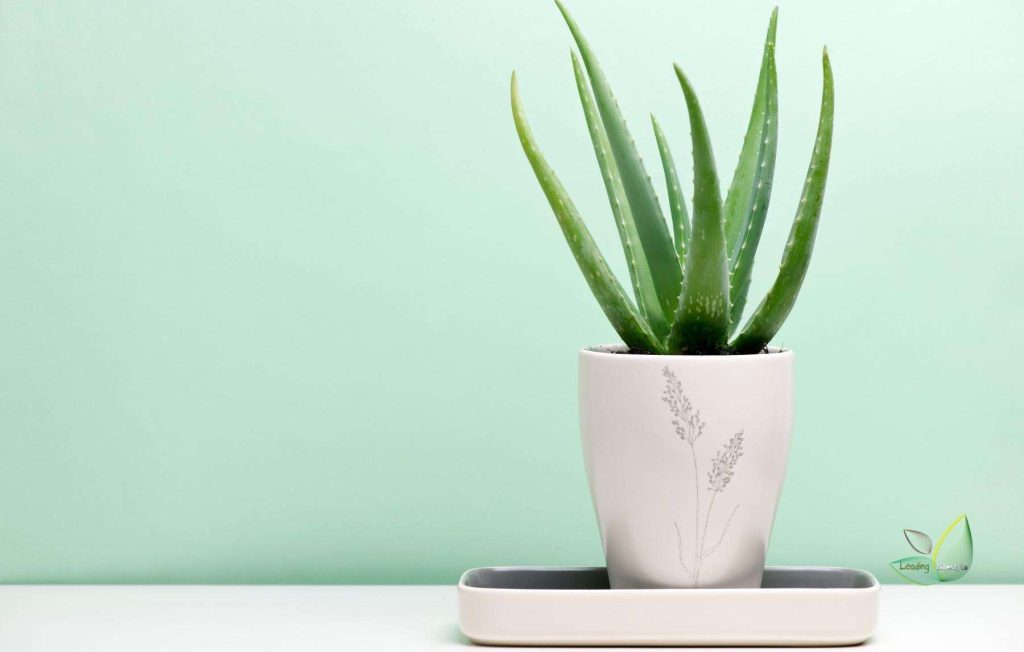
Aeonium, Graptopetalum, Kalanchoe, and Aloe
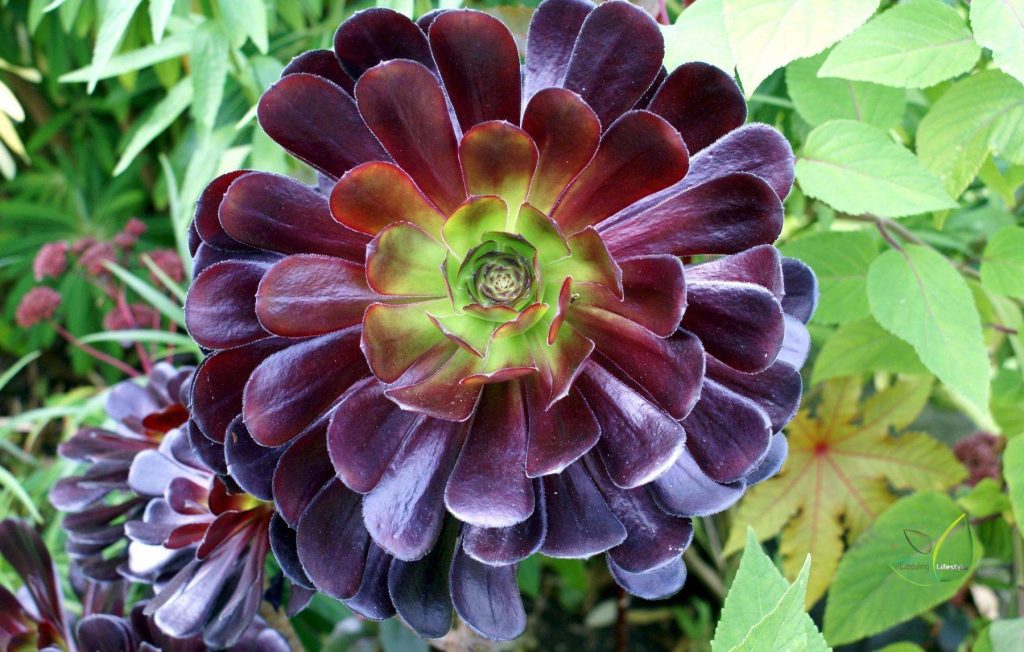
The vibrant foliage of an aeonium, which can be either purple or green, will liven up any arrangement. Conversely, the graptopetalum is typically a muted green or gray in color.
While the aloe’s spike-shaped leaves grow vertically, the kalanchoe’s tiny flowers open up during their blooming season. You can use aeoniums as the focal point — the thriller — of the arrangement.
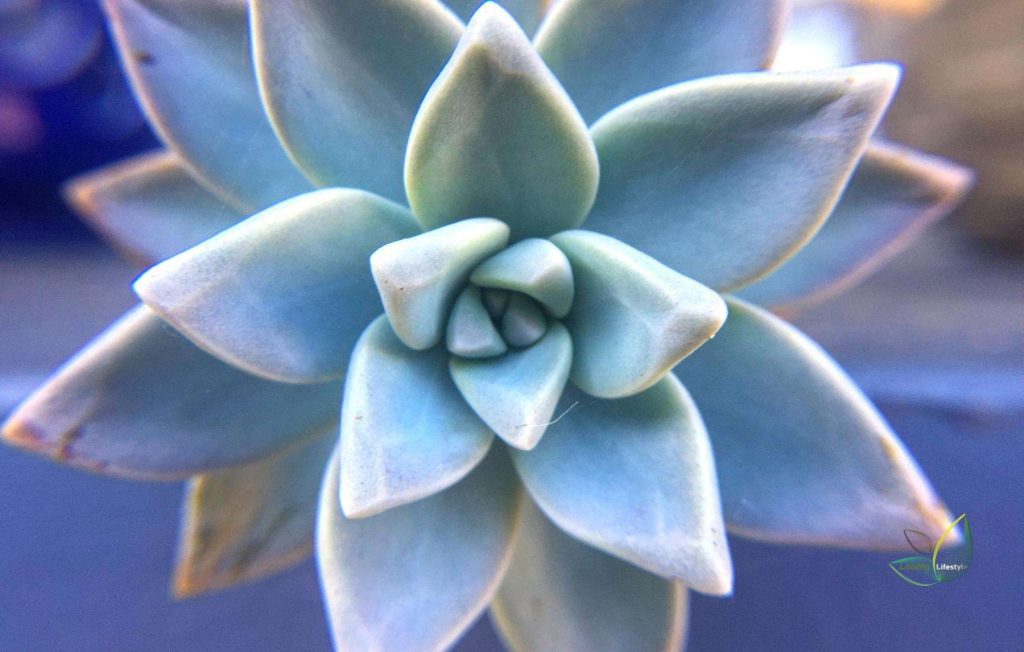
The graptopetalum and aloe should be added afterwards as filler to the thriller. The final step is to scatter the miniature kalanchoes around the container.
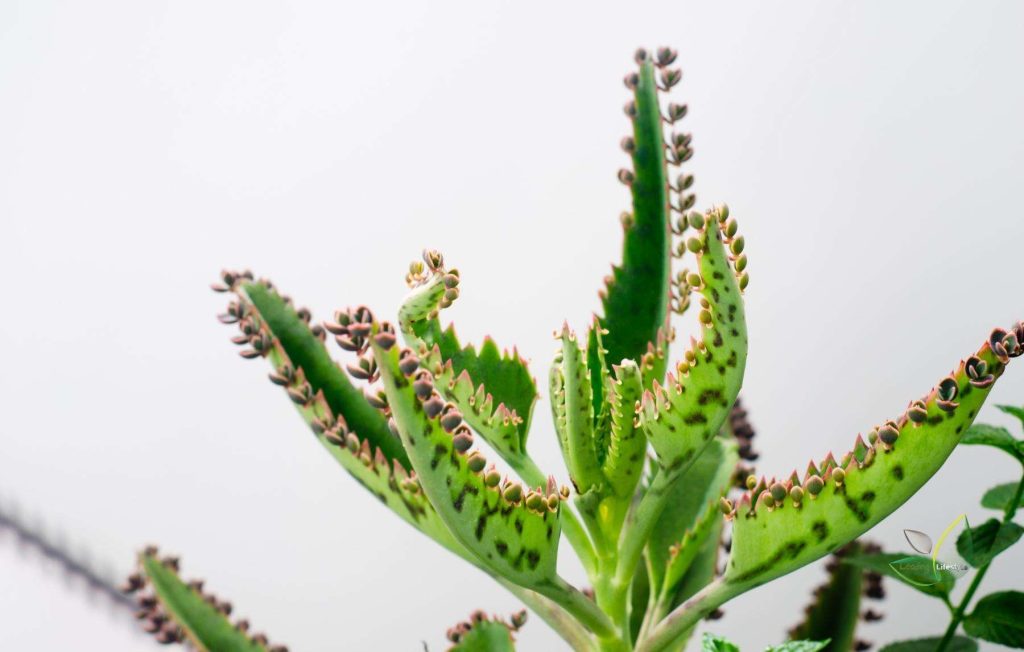
You can count on getting the most colorful succulent arrangement imaginable from this crew. What’s the best part? All of them go dormant in the summer, so you can enjoy lush vegetation and colorful blooms from June through August.
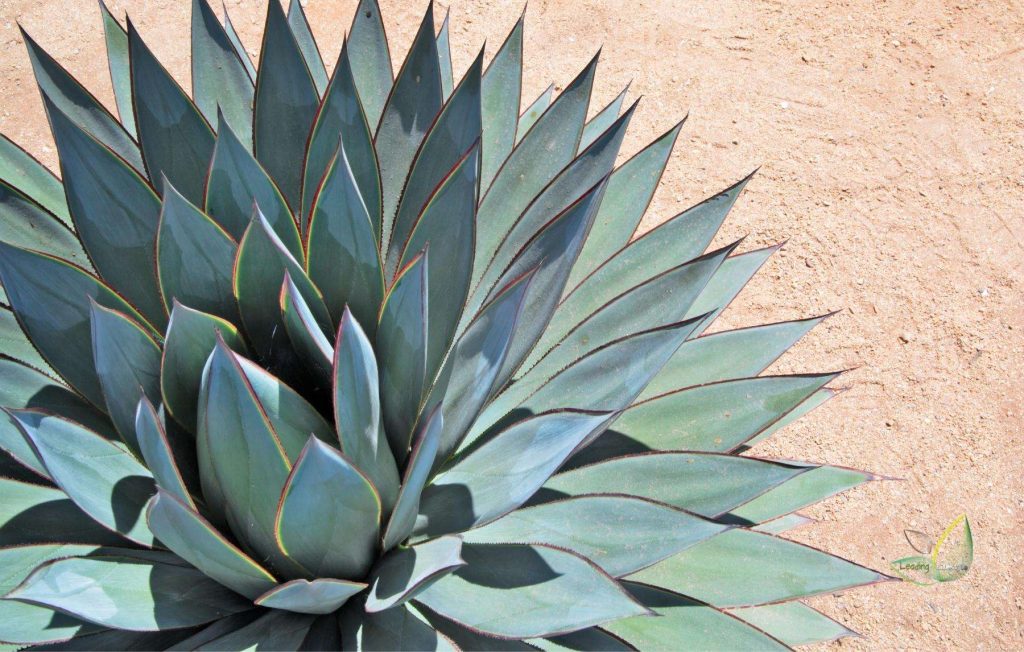
Agave, Echeveria, and Sempervivum
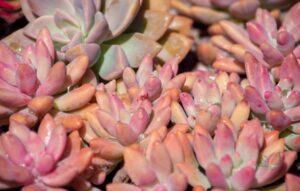
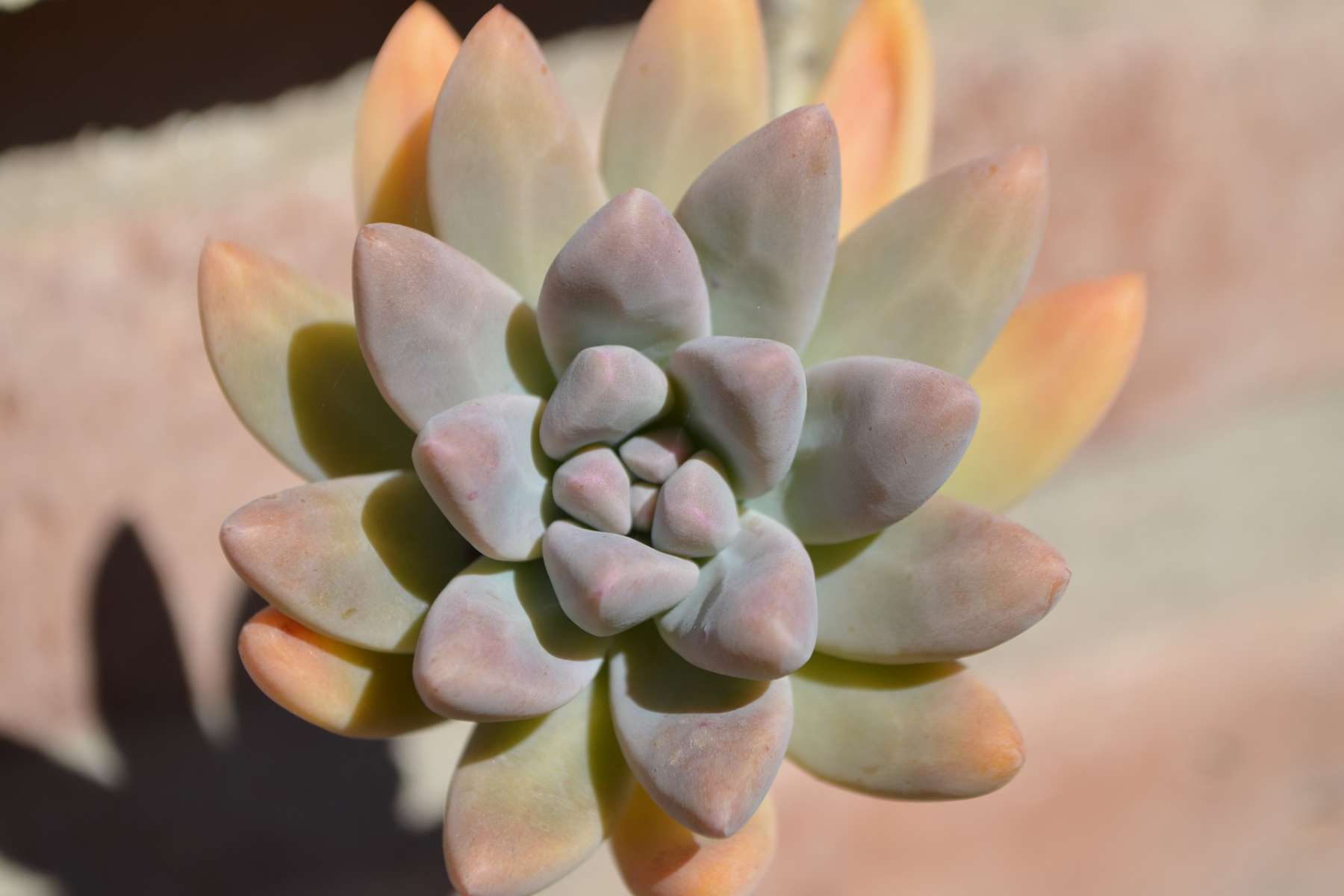
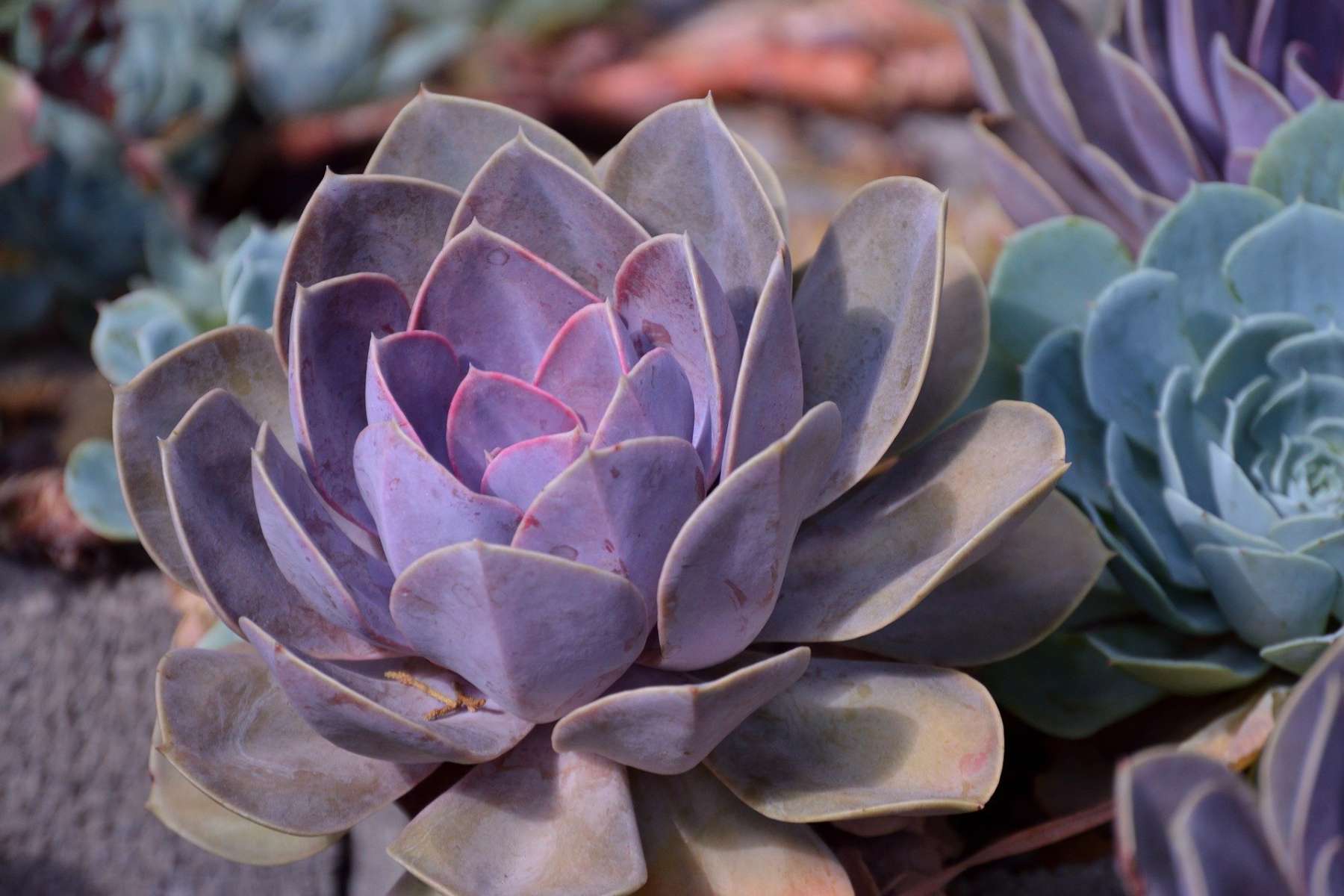
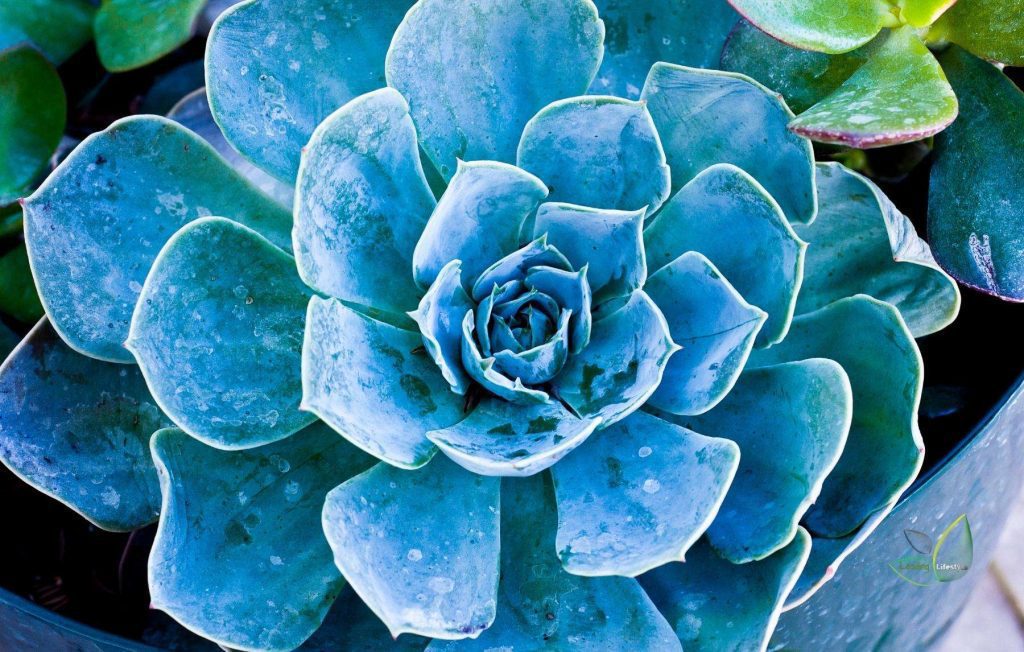
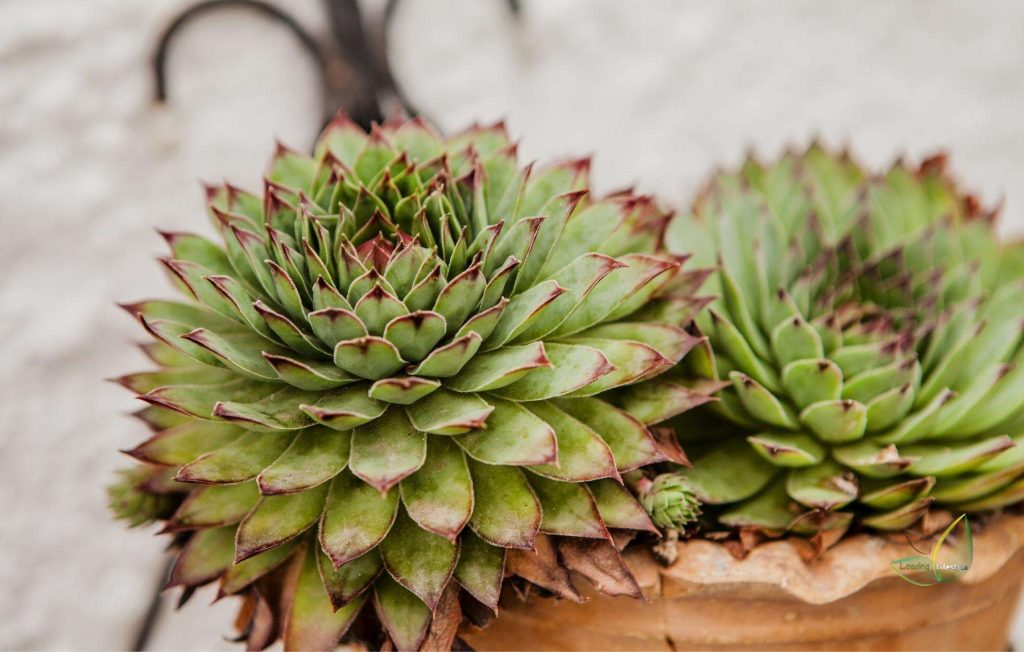
Both the echeveria and the sempervivum develop rose-shaped rosette-like leaf clusters. Sempervivum is very similar to echeveria, except that its leaves are more pointed.
You can use one of them for suspense and the other for filler, whichever you prefer. Then you can use the little agaves as spillers all around the pot.
If you go ahead with it, keep the agave’s stem in check by cutting it regularly. If not, it will outgrow the thriller genre and become the dominant force in the market.
A great thing about this bunch is that they hibernate during the colder months. This means that with proper care and maintenance, they will bloom even in the colder months, adding beauty to your home.
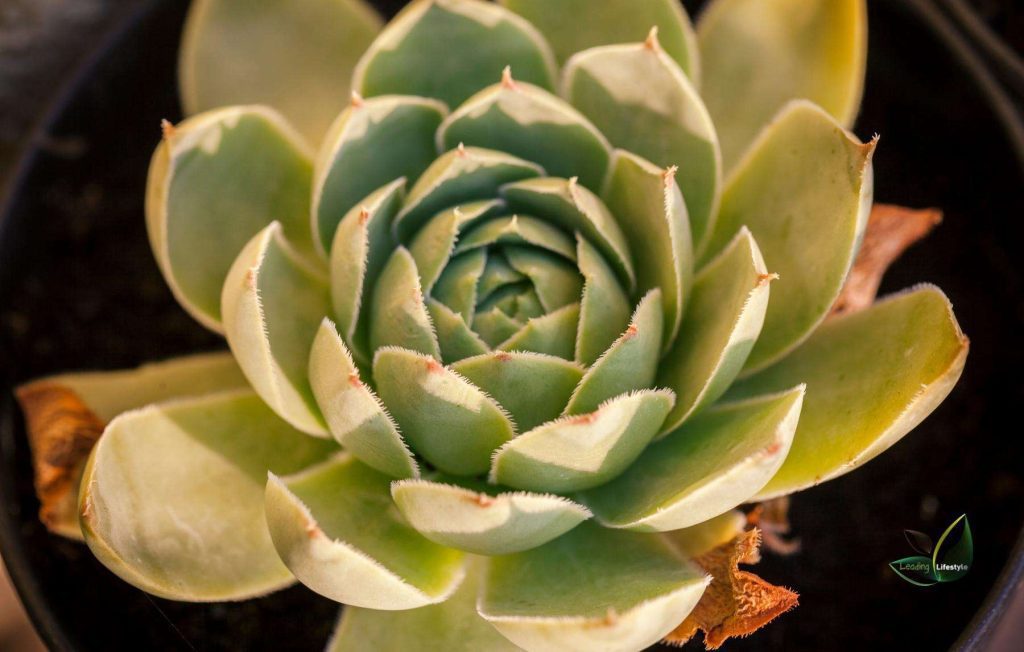
Sedum 'Golden Moss,' the Echeveria 'Painted Lady,' and the "Neon Breaker"
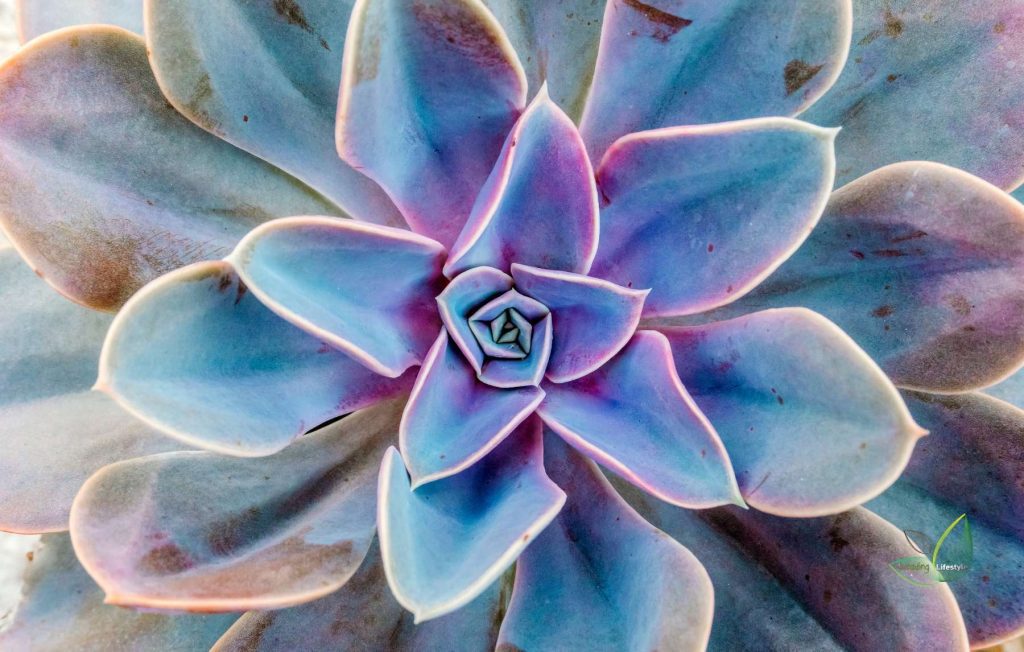
Ash-gray in color, the rosette-shaped leaves of the echeveria neon breaker are a distinctive feature of this succulent. It can serve as the focal point of your arrangement if you put it in the pot’s center as the mystery ingredient.
The Echeveria painted lady, like the Echeveria neon breaker, bears rosette-shaped leaves, but it is much smaller. In addition, the leaves rarely change from green to any other color. Use these succulents as decorations rather than as filler.
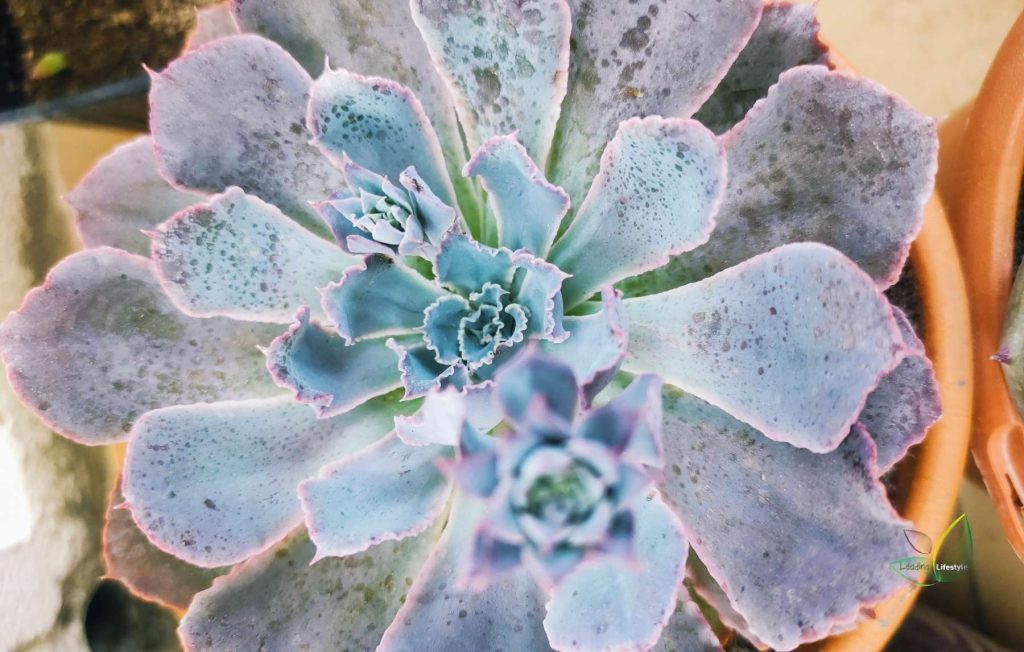
Place the neon breaker in the middle of the planter, and then set the painted ladies around it. The neon breaker’s ash-gray color will look great with the bright green leaves.
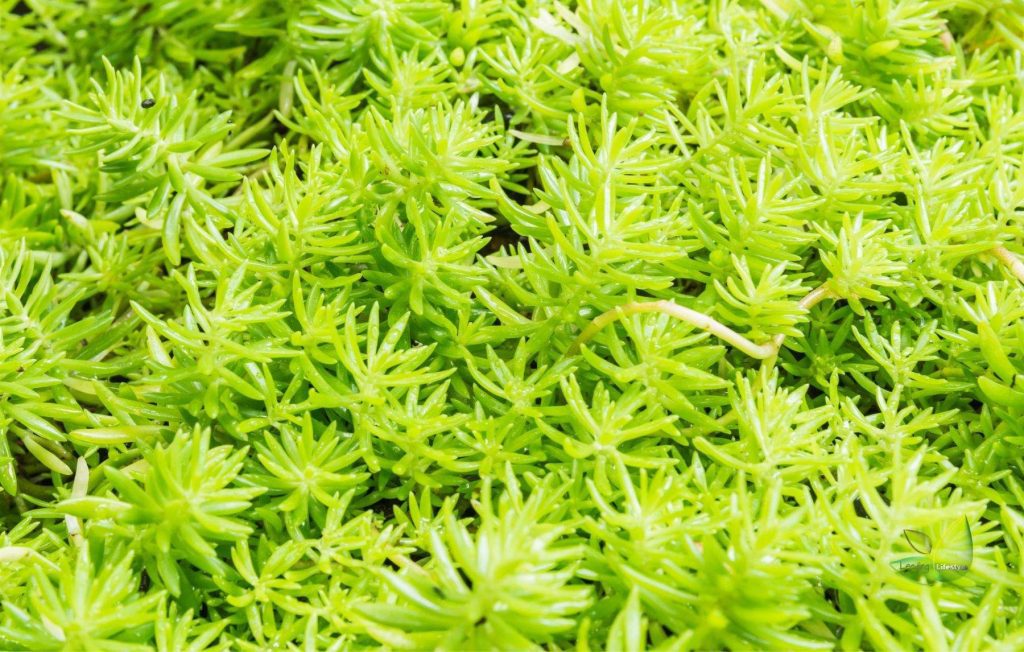
When finished, use the sedum golden moss to fill in any remaining gaps. This little succulent plant is the best spiller you could ask for.
They are a great group because none of them require excessive amounts of water. Furthermore, because their development requirements are so similar, you won’t need to provide any unique care for each variety.
Sempervivum calcareum, Cymbiformis, Haworthia zebra, and String of pearls
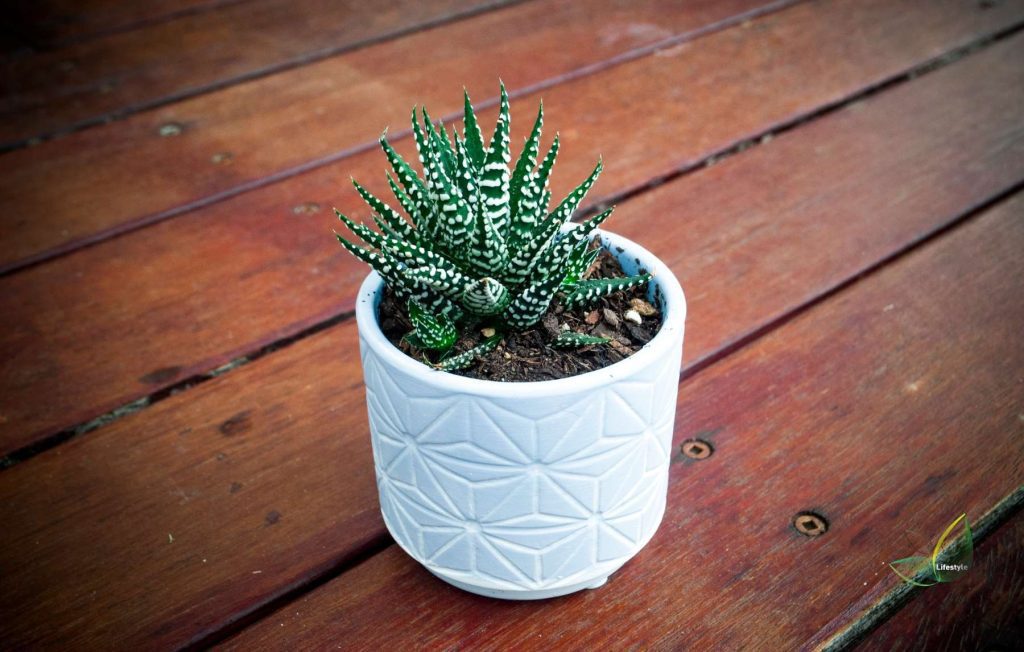
The haworthia zebra resembles an aloe vera but grows vertically instead of horizontally. There are, however, horizontal stripes across its leaves. This can serve as the thriller element in your next arrangement.
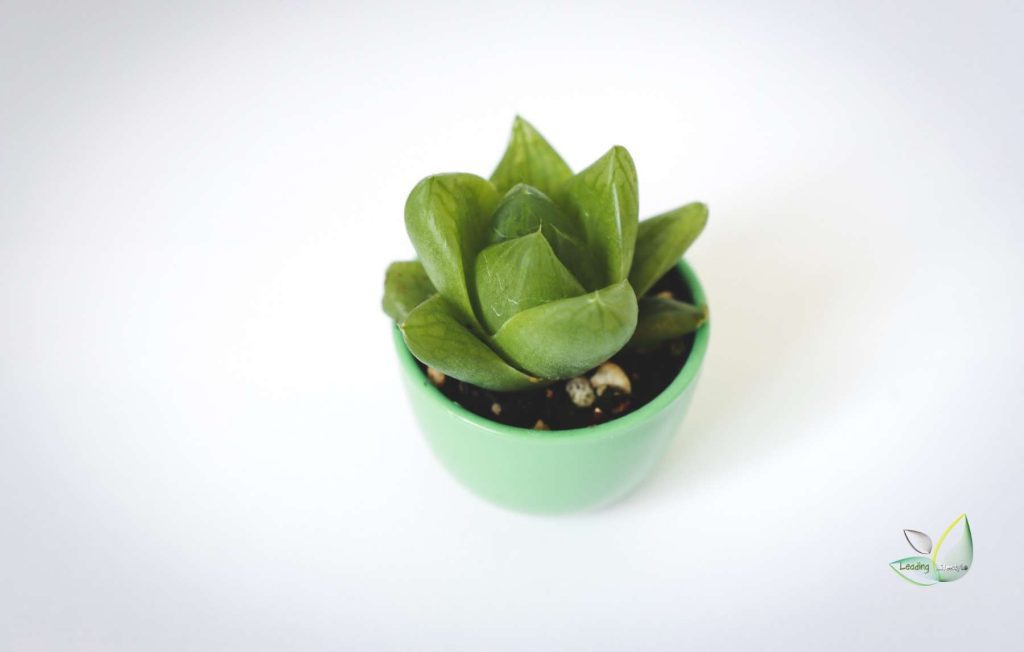
There is a resemblance between the haworthia cymbiformis and the sempervivum calcareum, both of which have rosette-shaped leaves. Use them as filler plants around the haworthia zebra — the thriller.
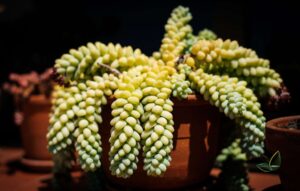
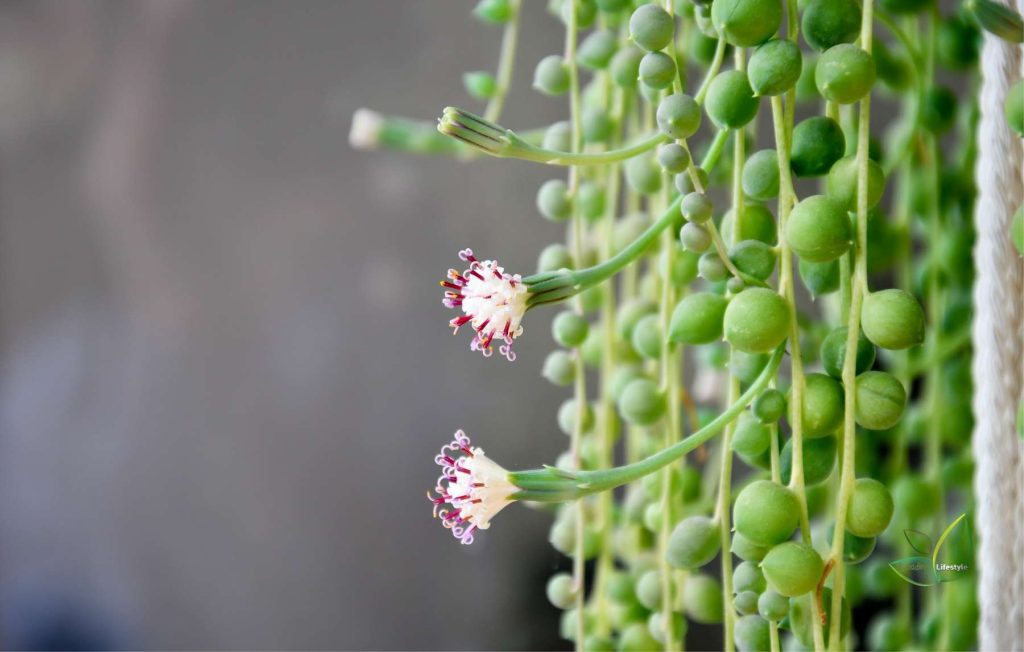
The arrangement will look finished once the string of pearls spills over the edge.
You should only need to water them once per week or mist them occasionally. Due to their low water requirements, these succulents would not compete for much water.
Whether this is true or not, some types of plants are best to grow together in your garden. These are the best succulents to plant together in your garden.
When you start planting your garden, be sure that you plant your favorite plants together. But don’t forget about all of the other things you want to plant together.
For example, do you really want to plant an orchid right next to a tomato? Probably not, but there are plenty of other plants that would do the job just fine.
When you are looking for what succulents to plant together, pay close attention to what you are trying to accomplish. Is size important? Do you have more of a concern for color, shape, or height? There are many options available to help you decide which plants will work best in your garden.
As you can see, knowing what succulents to plant next is not as hard as it sounds. The best thing you can do is follow your instincts and choose plants that you know you will love to grow. Once you find those, your garden will be the best that it can be.
So what are the best Succulents to Pair together?
While most succulents can be planted together without any problems, some can do better than others. Find out how to select the succulents you want to combine for your next arrangement in this post!
Read on to learn how to mix a wide variety of succulents and to make beautiful, succulent arrangements.
Moreover, knowing which succulents can be planted together will save you time and effort in keeping them growing. Here’s what the succulent pairings below will show you.
As an Amazon Associate we earn from qualifying purchases.
As an Amazon Associate we earn from qualifying purchases.
As an Amazon Associate we earn from qualifying purchases.
Which Succulents Can be Pair Together
Almost any kind of succulent can be combined. However, you should still consider a few things when you make succulent arrangements.
When planting succulents to pair together, the most important considerations are the conditions for maintenance and the growth period. If all the succulents have the same care requirements and grow in the same season, they will fit very well together.
Other considerations, such as color, form, and texture, are crucial to the development of visually beautiful succulent arrangements. These criteria are equally essential and determine which forms of succulents can be mixed.
Care Requirements
Now, let’s talk about some stuff you need to consider when you figure out what succulents should pair together. If you combine the most succulents, taking into account their particular care needs, you can be helped to ensure a happier arrangement to have the succulents looking their best.
The most critical thing is the criteria for illumination. While most of the succulents will do well with morning sun and bright shade in the afternoon, not all will do well in full shade or indoors. Some succulents prefer the bright sun all day long.
If you were to mix succulents with different light requirements, you might not have any issues initially, but you would begin to see some of them stretching or sunburn on others over time.
Growth Needs
There are so many types of succulents. And if you select the best succulents to pair together, the rule of thumb is to pick those with comparable needs. They’re going to remain in concord and maintain the appearance of the entire package for a long time.
For example, Crassula (Jade) grows in the winter when California sunsets in the summer. So planting them together would no longer be the best option. When it comes to bringing together various succulents, you want to remember their growing season, water source, light, and soil.
Agave, Echeveria, and Sempervivum are several winter-sleeping succulents that look glorious together. And if you want to bring together the dormant succulents of the season, you would also like to think of Aeonium, Aloe, Graptopetalum, and Kalanchoe.
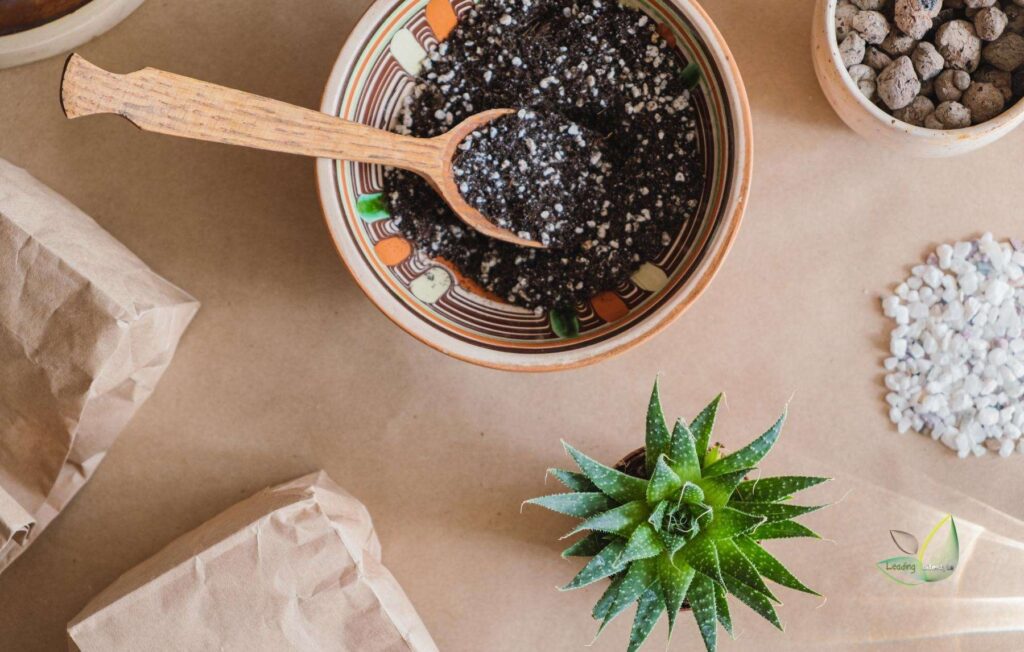
Height
In addition to the specific succulents’ existence, it is essential to understand the particular peak and the particular coloration to place them in a harmonious relationship.
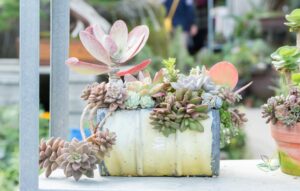
Your setup includes an exceptional thriller, a filler, plus a spiller.
Using high succulents for a particular thriller makes the entire thing look fantastic. Using shorter succulents as injections of the filling around them.
Finally, put a few “spiller” trailing succulents to finish the unique arrangement. The recipe is simple, plus you can continually add your very own spin to it until it appears to be outstanding in your own eyes.
Color
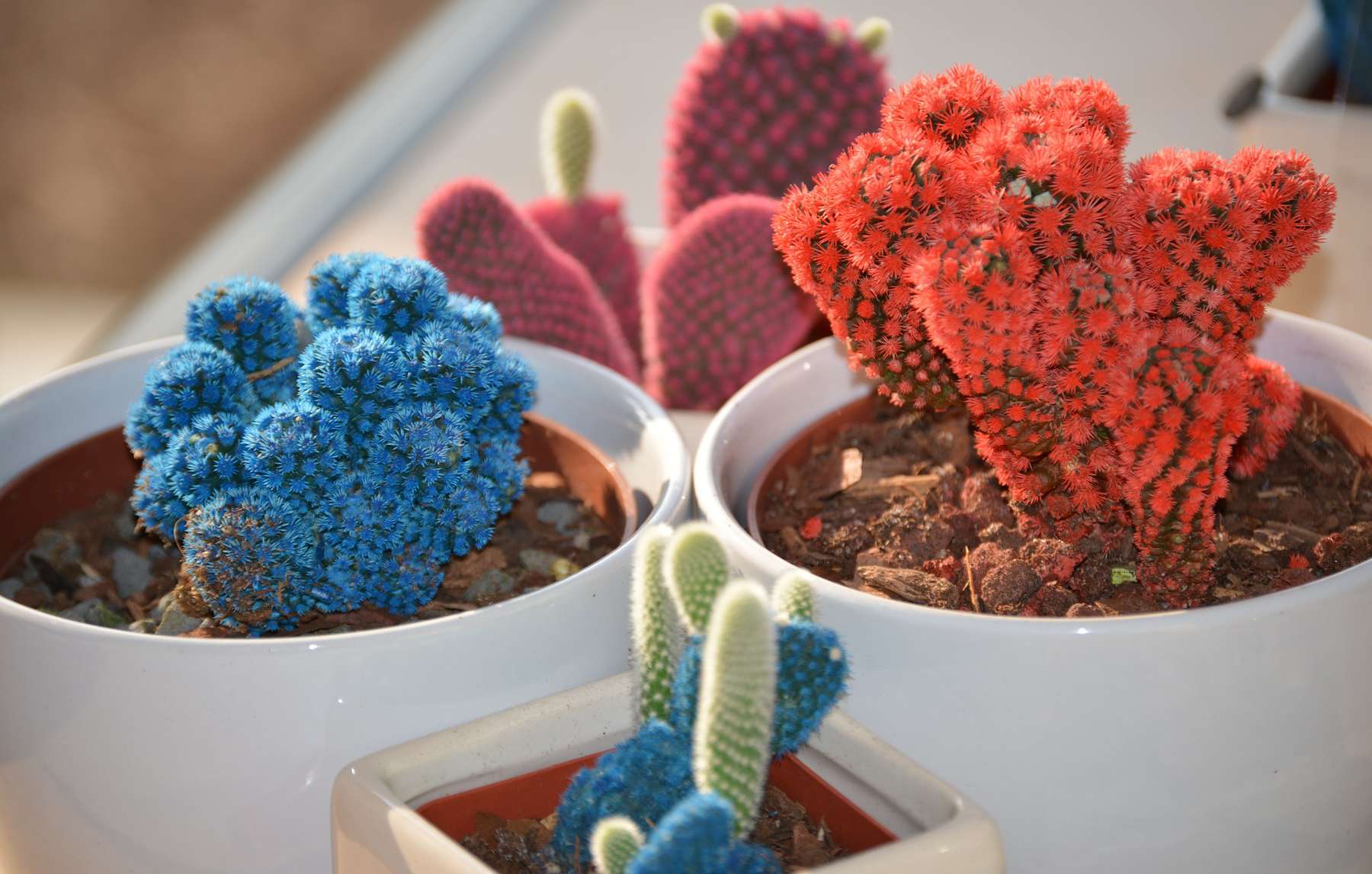
Color is one of the greatest attributes of succulents. They come in nearly every color, except for the deep blue color. Besides, all of them have the opportunity to change color as a solution to climate change (hot temperature, sunlight exposure, etc.). This feature makes it much more stunning.
While any succulent is magnificent on its own, planting it with color in mind, you can easily make elegant arrangements. The best formula for a lovely, succulent collection is to use basic color concepts.
Succulents with complementary colors may be used (the opposite colors on the color wheel, such as green and red, blue and orange, purple and yellow). Reds and greens are found naturally in many succulents, so this sort of arrangement is straightforward to produce.
Shape and Texture
An exciting variety in the succulent arrangement will be achieved using several plants of different heights, shapes, textures, and special features (like hairs). You may choose from tall, up-growing plants like Sansevieria or Aeonium, rosette-forming like Sempervivum or Echeveria, cascading like certain types of Sedum and Senecio. The possibilities are entirely limitless.
You can play with succulents of various heights to make a more exciting theme. Or you can create a uniform prototype of succulents of the same size, but instead, you can play with colors and textures.
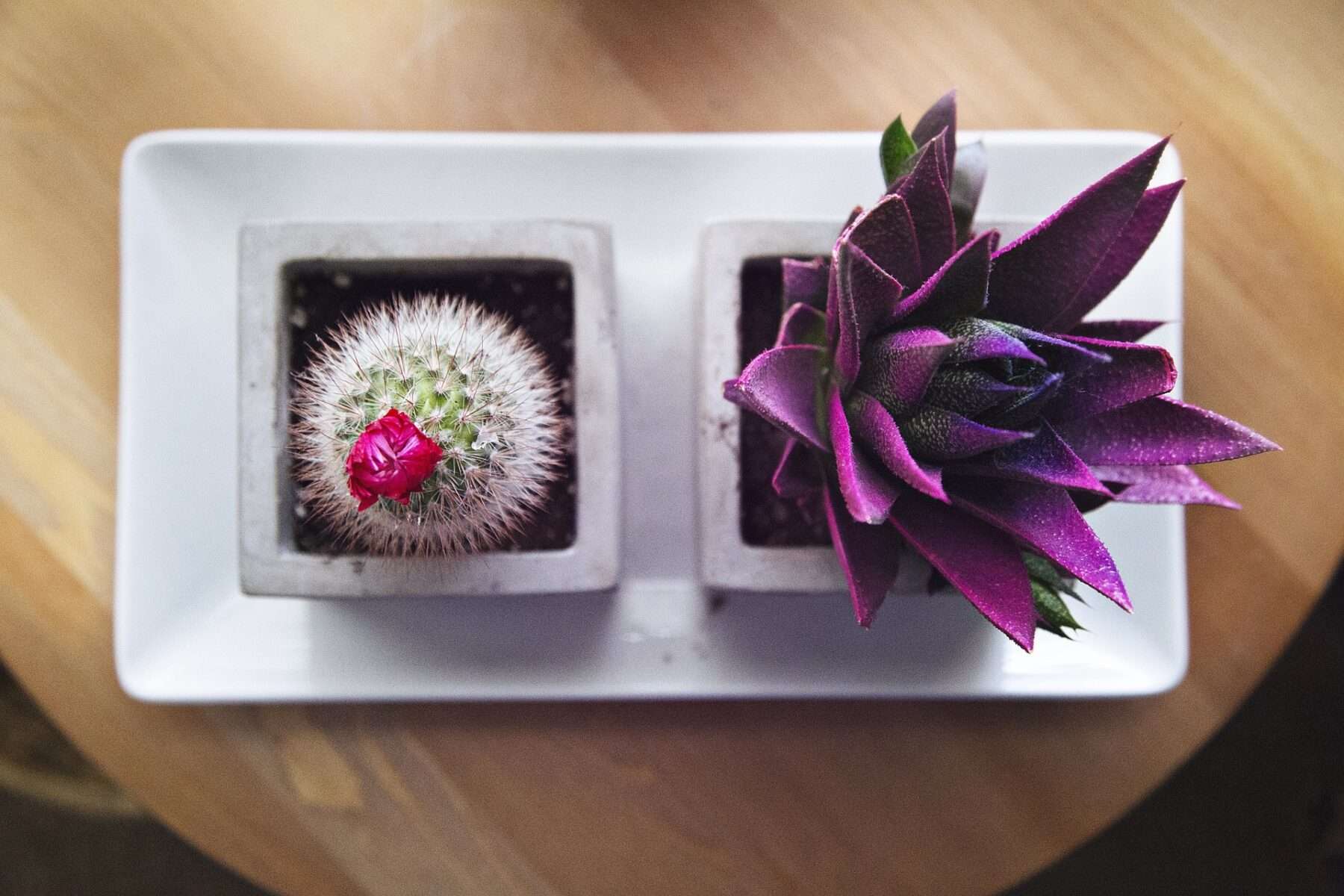
Some of the succulents have a fantastic texture. Gasteria, Aloe, and Haworth, for example, have a wonderful texture with white markings. Any Cactus brings a beautiful texture to its spines and its distinct branches. The Euphorbia gene has a wide range of growth shapes and textures.
Pots and Container
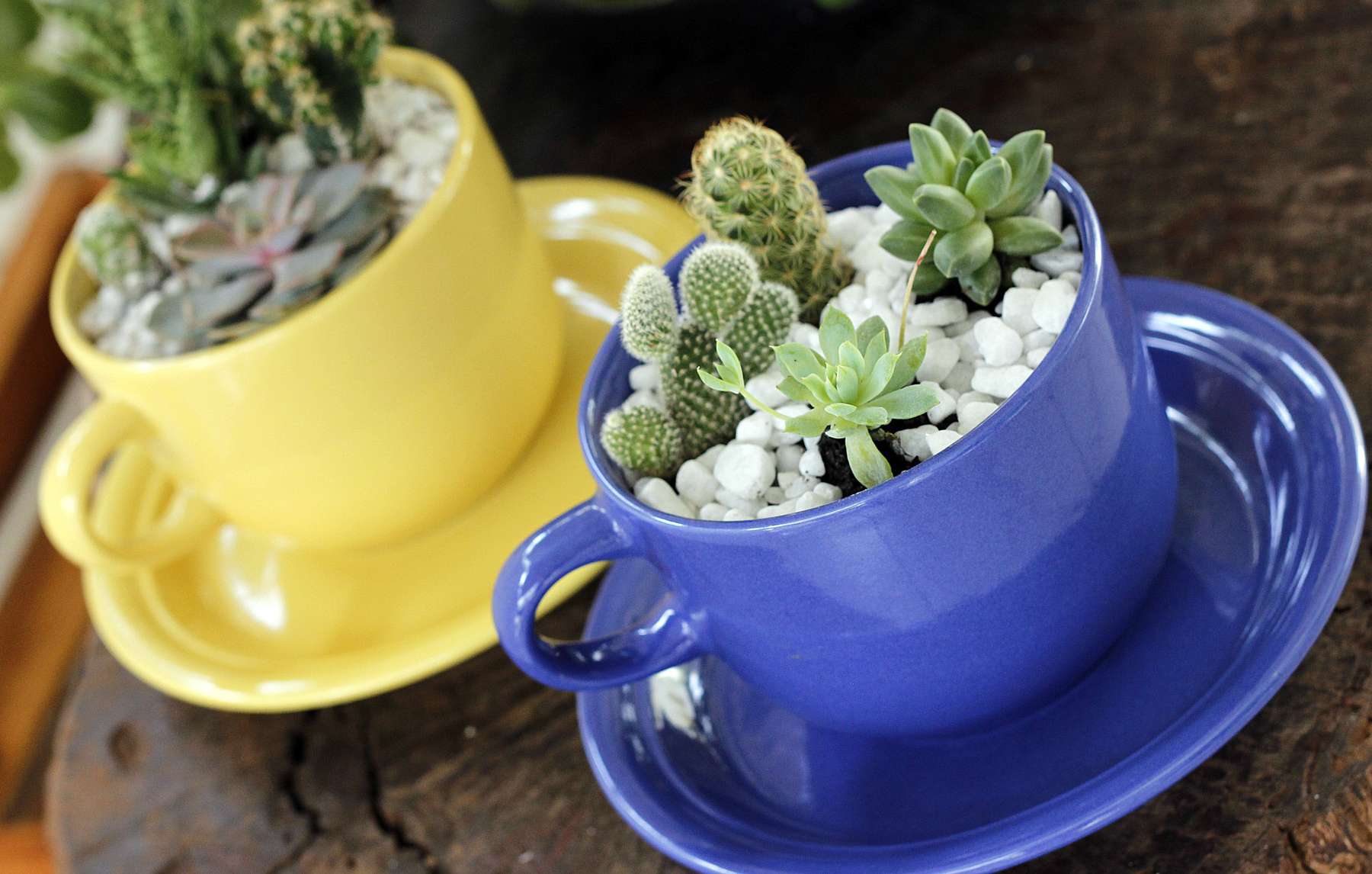
Last but not least, there are pots and containers! Choosing the correct container and experimenting with its scale, shape, color, and texture can be as enjoyable as arranging succulents.
When choosing a pot for a succulent arrangement, look for a pot with colors, textures, and shapes that either compliment the succulents or offer a fascinating contrast. Choosing a pot carefully makes a great deal of difference, as there be various forms of top dressings, such as pebbles or broken blocks.
Read more about What Are Best Pots for Succulents and How Do They Work?
As an Amazon Associate we earn from qualifying purchases.
As an Amazon Associate we earn from qualifying purchases.
As an Amazon Associate we earn from qualifying purchases.
Cactus
Few little cacti will add a beautiful, spicy twist to your delicious combos. You can also opt to use small to medium scales and spikes for this. Your combination will look fascinating and harmonious.
Perfect Combinations That Need Same Water And Light Requirements
Let’s talk about a few things right now to give you an idea of what succulents might pair together. Thinking of the need for them will help make sure you have a better choice to keep the succulents looking their best while pairing the most succulents.
The next unique thing you’ll need to think about is the water needs.
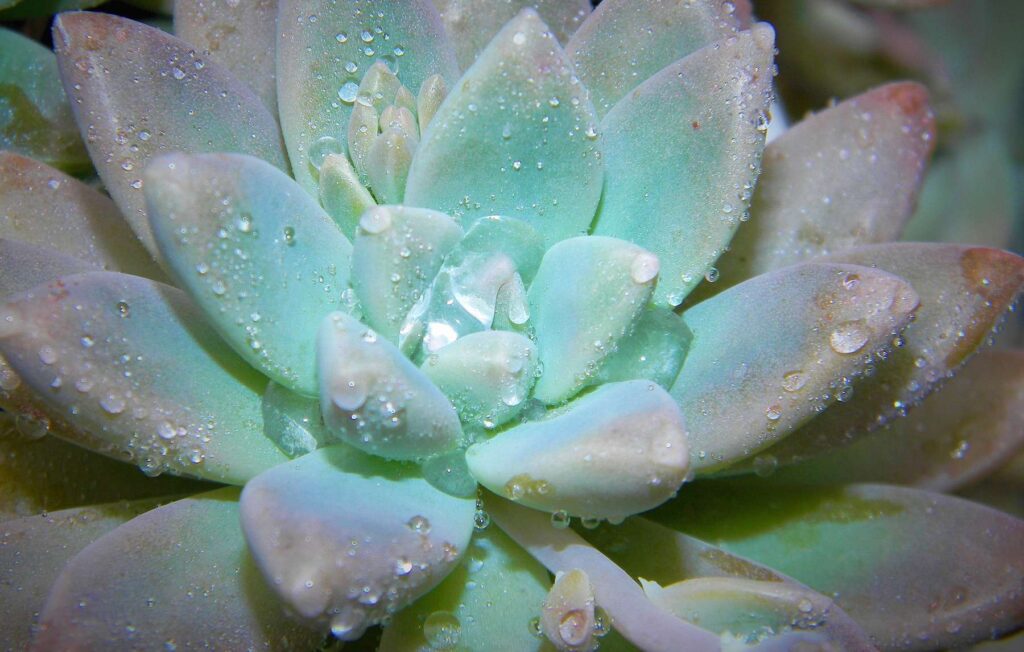
Most succulents are dry-tolerant, some of which can survive a long time without water. Besides, the particular thickness of the leaves of your succulents can be an excellent first hint.
Portulacaria Afra has tiny leaves and requires water to drink more often than not. Sedum adolphii has thicker leaves and can survive without water for a long time.
Affiliate Disclosure: If you choose to purchase the product recommended through the links in this product review, we may receive a small commission at no extra cost to you. This helps support our research and editorial teams, and please be assured that we only recommend high-quality products.
You may still combine succulents with different water requirements, but you’re likely to notice that you have to “spot water” or give some thinner leafy succulents a clear dose of water that doesn’t hit the thicker plants. This can be achieved with a syringe or a bottle of water from a succulent bundle tool.
Another element that puts any definition together for the best succulents to pair together is color.
If you have a monochromatic color scheme, you’ll need succulents of the same color but different tones and shades. For example, green succulents come in different shades so that you can render more textured arrangements with different varieties of succulents.
A perfect alternative is a monochromatic scheme accented by a different tone.
An analog paint scheme (three shades next to each other on the color wheel) is often used for a succulent arrangement. E.g., yellow, yellow-green, and green are comparable color schemes that offer you various succulents choices.
The warmth of their color is a curious way of combining succulents. A pair of blue-green succulents with purple ones for a cold-toned arrangement, or a pair of yellow, purple, violet, and yellow-green for a warm-toned arrangement.
Variegated forms of succulents or succulents with certain types of markings are of special interest and are especially welcome in a succulent arrangement.
While these are all good guidelines, you should actually match about everything that looks good for you, it takes a little work to keep it looking the best, or you can tell, ‘Best succulents to pair together,’ but it’s completely doable!
Let's do a DIY Succulent Pairing Project
Plant the Succulents in a Pretty Arrangement
With the help of the Thriller, Filler, and Spiller method, we will attempt to plant Echeveria ‘Lola’ as the ‘thriller’ plant, Anacampseros ‘Sunrise’ as the ‘filler,’ and Sedum Dasyphyllum ‘Minor’ as the’spiller’ plant in a terracotta pot in today’s do-it-yourself lesson. Every different kind of succulent we’ve seen works so well with every other kind, blending into each other’s color scheme, size, and feel.
In other words, have fun and take advantage of it.
MATERIALS:
- Terra-cotta planter
- Soil (cactus mix)
- 1 Echeveria ‘Lola’ (thriller)
- 4 Anacampseros ‘Sunrise’ (filler)
- 1 Sedum Dasyphyllum Minor cluster (spiller)
- Knitting needle
PROCEDURE:
1. Fill the pot firmly with soil all the way up to the brim. Build a hole in the middle of your pot, about 3 inches long.
2. Gently extract your Lola from her nursery pot and shake as much of the soil out of the root ball as you can, and put it in the hole you’ve built in the middle of your pot.
Using your fingers, softly tuck in the dirt under your succulent, make sure the leaves at the base are not under the surface, nor at the top of it.
The Echeveria ‘Lola’ is a lovely and common succulent. The dirty, light pink rosette would be the object of attention or, as we like to say, “thriller” in this setup.
3. Now that you’ve planted your thriller rose, it’s time to extract your filler succulents from their nursery containers gently. As we did with Lola, shake off enough rootball soil as you can, careful not to damage the fragile roots that this specific succulent has.
*The Sunrise Succulent Anacampseros is a form of mimicry plant that will remain tiny and grow clusters of pups, gradually “filling” in every hole in your layout, the perfect fit for our beloved Lola, who will stay nice and close in the middle. Plant the succulents of your filler around Echeveria ‘Lola’ like that.
4. Ready for the last step of the planting. For this particular arrangement, use Sedum Dasyphyllum ‘Minor,’ a delicate succulent.
If this plant is completely rooted, the sedum will gradually start “spilling” over the terracotta jar, giving it a delicate effect.
*you can use a 4-inch jar for the sedum, which is separated into four clumps. Use a knitting needle to force the roots to their position gently.
You have now completed your succulent arrangement, using succulents that will flourish and thrive together happily. We hope you liked this step-by-step guide about how to plant a succulent Crafts theme.
Thank you for taking the time to read our succulent blog.
Planting Succulents Together
There are no better houseplants than succulents. As they don’t need much upkeep, you can keep your full schedule while enjoying their benefits. In addition, they will create vivid colors that greatly enhance your home’s aesthetic value.
Learn which succulents work well together before you start planting them in pots. With this information in hand, you can avoid accidentally killing them and also ensure they look fantastic when they are in full bloom.
Frequently Asked Questions
Can any succulents be planted together?
Almost any kind can be combined, but the pairings that thrive are those whose watering, light and growing seasons match. Mixing winter-dormant with summer-dormant succulents is the first rule to get right.
Which succulents pair well in winter-dormant arrangements?
Agave, Echeveria and Sempervivum belong together as winter-dormant plants; Aeonium, Aloe, Graptopetalum and Kalanchoe form the summer-dormant group.
What is the thriller-filler-spiller method?
Use a tall, upright plant (the thriller) as the focal point, shorter rosette-forming plants as filler around it, and a trailing species as the spiller that spills over the pot edge.
How do I combine succulents with different water needs?
You can, with spot-watering — give thinner-leafed succulents their dose without soaking the thicker-leaved ones, using a syringe or a small bottle.