
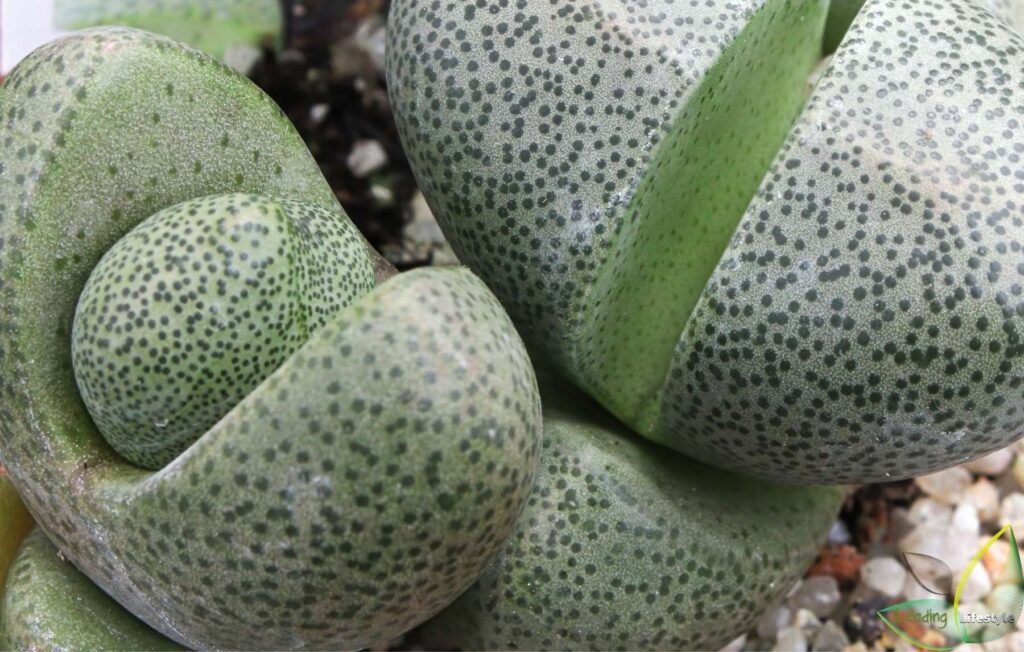
What Is a Split Rock Succulent?
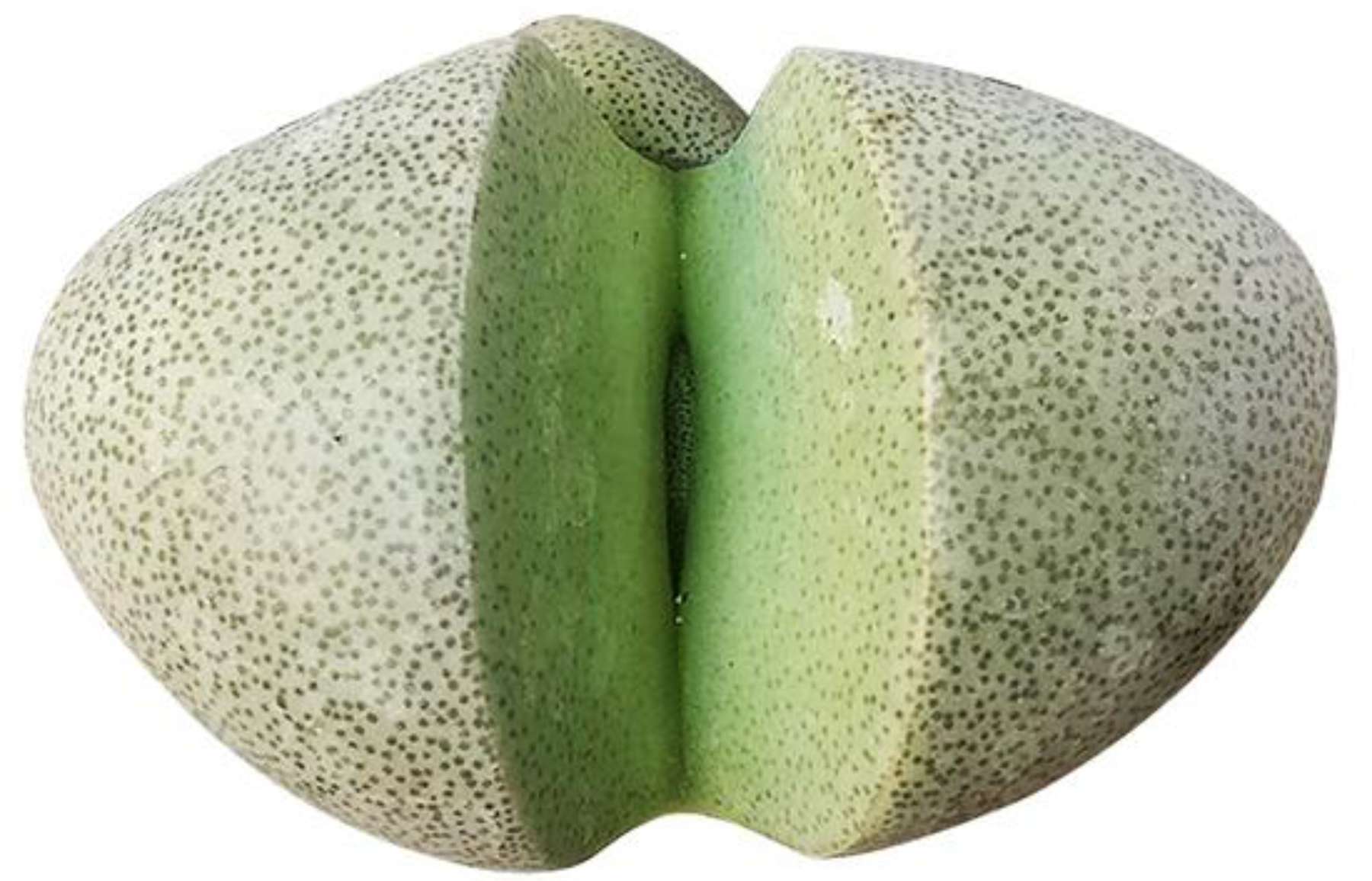
Pleiospilos nelii, commonly called split rock, is a small, egg-shaped succulent with two thick opposite leaves divided by a central cleft. The plant’s shape, color and surface speckling mimic stones and pebbles in its native South African habitats — a straightforward example of botany mimicry. That camouflage helps it hide from grazers and reduces stress from intense sun and heat. New pairs of leaves form in the cleft and push at an angle as they mature.


Split rock is slow growing and usually stays compact. It produces new leaf pairs from the center and will flower when conditions are right; blooms emerge from the central cleft and can be surprisingly large compared with the plant body. Flowers often have a coconut-like scent and may be yellow, orange, white, or magenta depending on the plant.
Caring for Split Rock
Light
Pleiospilos does best with bright light. Outdoors, full sun to partial shade is fine so long as the plant is protected from prolonged exposure to hot afternoon sun and heavy rain. Indoors, place it where it receives several hours of bright direct or strong indirect light each day; a south-facing window is a common choice. If natural light is limited, supplement with a grow light.

Watering
Split rock dislikes steady moisture and reacts poorly to overwatering. Use a soak-and-dry approach: water thoroughly so the mix is wetted and then allow the potting medium to dry completely before watering again. If you want more detail on the method, read about the soak-and-dry approach here: soak and dry.
During active growth (typically spring and fall), give deep waterings only when the soil has fully dried. In hot summer or cold winter slow down waterings to occasional lightings spaced several weeks apart. Always check both the soil and the leaves: if the soil feels nearly dry but the center leaves are still firm, delay watering. Overwatering shows as cracking, softening, or extra leaf pairs — signs the plant is stressed by too much moisture.
Temperature and dormancy
Pleiospilos nelii is not cold-hardy and is best treated as a houseplant where winters dip below about 30°F (-1.1°C). It has seasonal activity: lean water during dormancy and more during active growth. Because it stores water inside its leaves, the plant can tolerate dry spells but will suffer if kept in wet conditions for long.
Observing leaf behavior
A healthy split rock will usually display just one active pair of leaves at a time; when new leaves develop in the center the older outer pair will gradually shrivel and be reabsorbed. If you see more than two pairs of leaves or noticeable cracking, that often indicates the plant has been receiving too much water. In that case, stop watering and let the soil dry for at least a week.
Practical routine
Set a reminder to check soil depth and leaf firmness rather than follow a calendar schedule. Many growers find that feeling the top inch of the mix and squeezing the center leaves gives the best cue. When the center leaves are plump and firm and the topsoil is dry, hold off. When the center leaves start to wrinkle and the soil below is bone-dry, it’s time for a thorough soak. This practical habit helps avoid the common pitfall of overwatering, which is the single most frequent cause of failure with this species.
Split Rock "Royal Flush"
Royal Flush is a named form of Pleiospilos appreciated for purple, reddish or mottled leaf tones. The straightforward note from the original is simply observational: one Royal Flush specimen held a seed pod while a neighboring plant was on the verge of blooming. That tells you the cultivar behaves like the species — it flowers and can set seed.
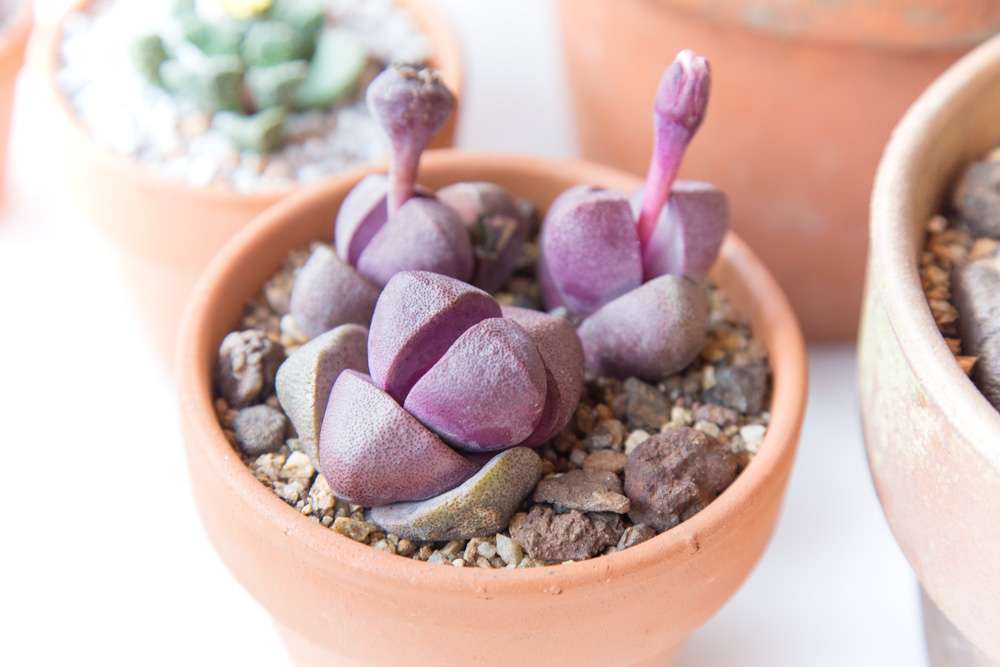
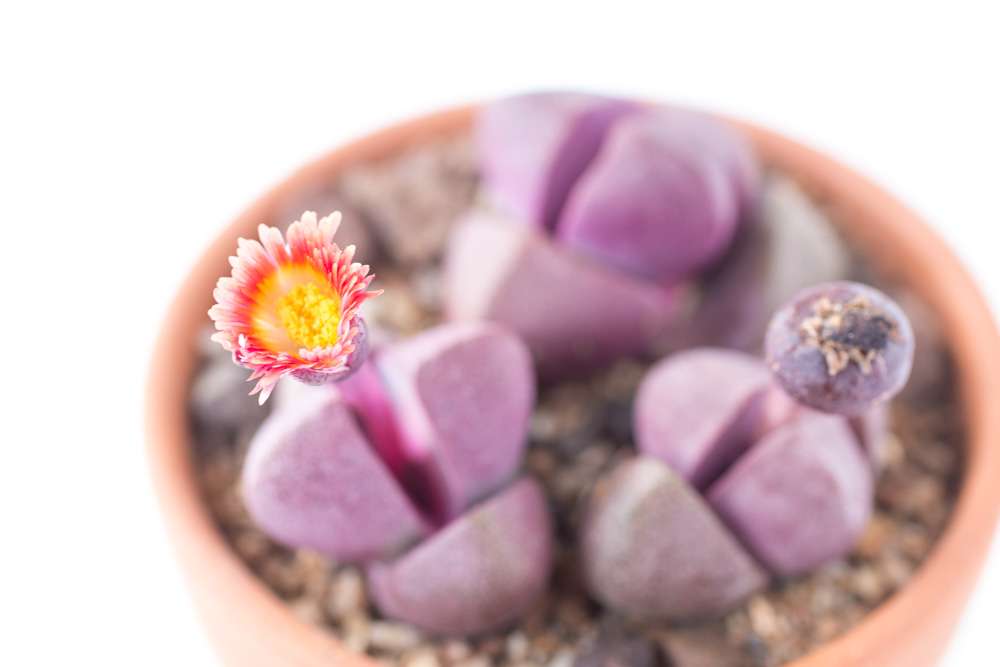
Leaves can lose intense coloration after shipping or when light and water regimes change. It’s normal for outer leaves to soften and shrink while the center leaves remain firm; the plant is reallocating stored water to support new growth or a developing bud. Soft outer leaves that are shrinking are not necessarily a problem unless the center leaves go soft too.
If you are tracking a specimen, keep notes about light and watering adjustments. Color and size shifts usually respond to those two variables. For someone who buys plants online, it’s common to see bright coloration that dulls as the plant adjusts to a new schedule. That does not mean the plant is dying — check leaf firmness and you’ll have a reliable measure of its condition.
Soil and Pot for Split Rock
Split rock needs a gritty, mineral-rich medium that drains fast. The original DIY recommendation is a mix of about 25% standard cactus potting mix combined with roughly 75% pumice or similar mineral grit. That ratio keeps the substrate airy and prevents water from lingering around the roots.
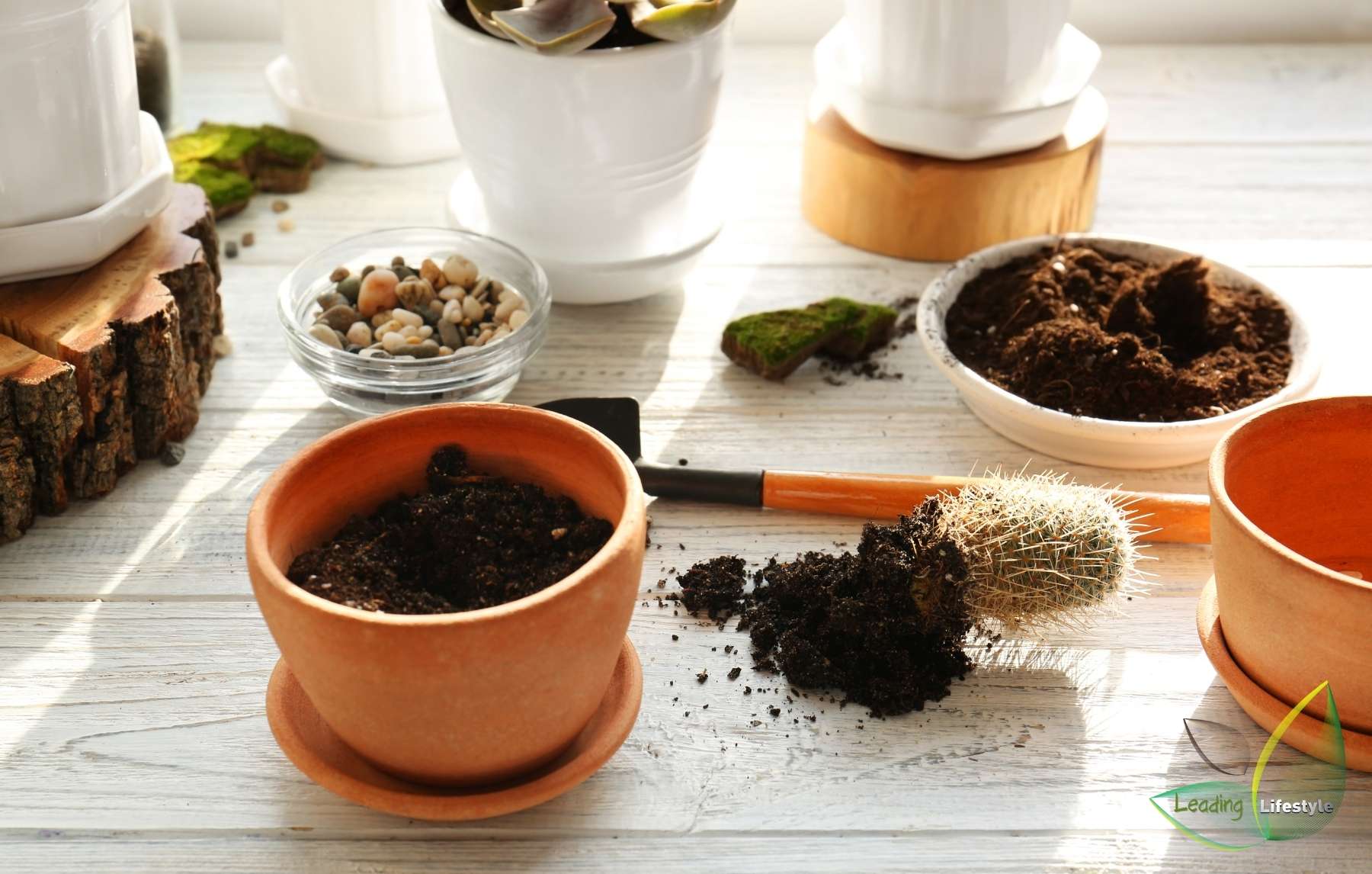
Use a pot deep enough for the plant’s taproot — about 3.5-4 inches (9-10 cm) deep or deeper — and with a drainage hole. Avoid peat-heavy mixes (those containing sphagnum peat moss), which retain too much moisture for this species. Also avoid the common practice of adding a layer of larger stones to the bottom of the pot; that does not improve drainage and can create a perched water table.
After repotting, wait several days to a week before watering so roots have time to settle into the fresh mix. Because Pleiospilos grows slowly, repot only every few years or when the mix has degraded. When you want to make a planting look like its natural habitat, a top dressing of small creek stones can help the plant blend in and provide slight surface shade, but the stones are decorative and not a substitute for a gritty potting mix.
Repotting notes
Do not repot while the plant is dormant or immediately before a bloom. The original advice suggests repotting a few days to a week before you expect active growth so the plant can re-establish roots and avoid extra stress. After transplanting, skip watering for several days to a week, then resume with conservative soaks as required by the season.
Propagating Split Rock
Division
Pleiospilos nelii propagates well by division. Remove clumps in spring before new leaves sprout. Use a clean, sharp knife to separate offsets, let cut surfaces callous over for a day or two, and then plant the divisions in a sandy, well-draining medium. Keep newly divided plants on the drier side while roots form.
Seeds
Seed propagation is straightforward but needs patience. Seed pods can be harvested after flowers fade, or seeds can be purchased. For better results, soak Pleiospilos nelii seeds in water for 24 hours before planting. Sow them in a thin layer of sandy, well-draining soil; keep the surface damp but not wet until germination. Gentle bottom heat or a warm, bright spot can improve germination speed. Once seedlings have a few true leaves, reduce humidity and begin to acclimate them to brighter light.
Timing and care for young plants
Sow seeds in warm seasons and avoid heavy watering. Young plants are especially vulnerable to overwatering; a light mist to keep the surface slightly moist during germination is better than pouring water. When seedlings develop robust roots and leaves, begin to space out waterings and move them into a pumice-rich mix.
Grooming and leaf removal
Let the plant shed old leaves naturally. Only remove old leaves that come away easily; if a leaf is firmly attached, leave it until it detaches on its own. Forcing leaves off can damage the plant and invite rot. If you see old outer leaves shriveling as new center leaves develop, that is normal and not a reason to intervene unless you see signs of disease.
FAQ
- Will Split Rock rot if the leaves crack?
Yes. Cracking and softening of leaves are often signs of overwatering or sudden uptake of water; stop watering and allow the soil to dry. Persistent wet conditions can lead to root and crown rot.
- How often should I repot my Split Rock?
Repotting every 3-5 years is typical because growth is slow. Repot sooner only if the medium has broken down or the plant has outgrown its container. Use a deeper pot with drainage and fresh gritty mix.
- When do they flower?
Pleiospilos typically flowers in its active seasons (commonly spring and sometimes autumn, depending on local conditions). Flowers come from the central cleft and can be large for the plant’s size.
- Can I grow them outdoors?
Yes, provided your climate offers warm temperatures, excellent drainage and protection from excessive rain and freezes. In areas with cold winters, grow in a container so you can move the plant indoors when temperatures fall.
- How can I tell if the plant needs water?
Check both the soil and the leaves. If the soil is dry and the center leaves are firm, wait. If the center leaves are wrinkled and soft while the outer leaves shrink, the plant may be drawing on reserves and usually does not need immediate watering.
- Is there anything special about Royal Flush?
Royal Flush is a color form with purple or mottled leaves. It flowers and sets seed like other Pleiospilos. Color may fade with changed light or watering routines; firmness of the center leaves is the best immediate indicator of the plant’s hydration status.






2 Responses
Hello There. I discovered your weblog the use of msn. That is a really smartly written article.
I’ll be sure to bookmark it and come back to learn extra
of your helpful info. Thank you for the post. I’ll certainly return.
Woah! I’m really loving the template/theme ᧐f this site.
It’s simple, yеt effective. А lot ᧐f tmes іt’s very һard to gett that
“perfect balance” between usability and viisual appeal.
Ι must say yoᥙ have done а amazing job wіth tһіs.
In addіtion, thee blog loads extremely quick fоr me oon Internet explorer.
Excellent Blog!